 DAVID PEEL
Wattle and Daub
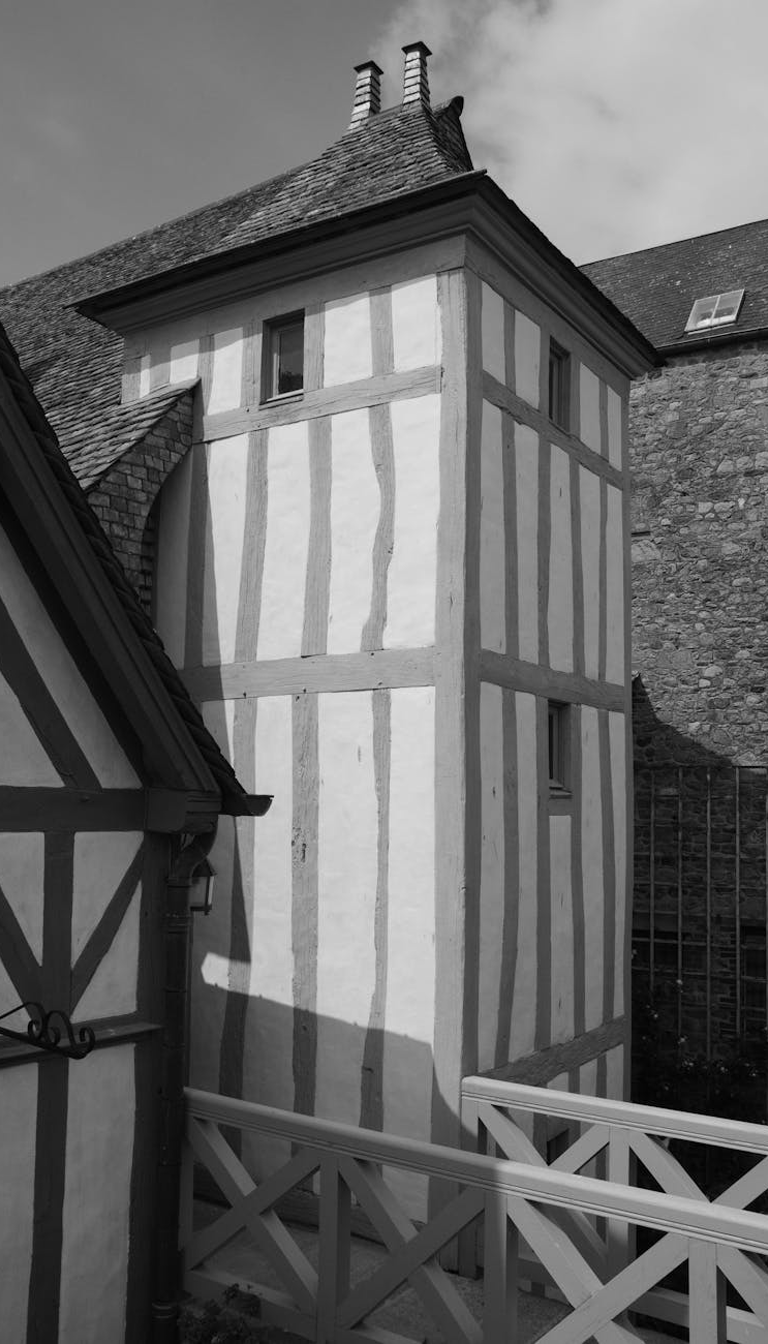
Wattle and daub was the oldest wall. Sticks woven into a frame and mud packed over the sticks. The wattle was the weaving. The daub was the mud. Together they made a wall that kept the wind out and the heat in and lasted longer than you would think a wall made of sticks and mud would last. The oldest wattle and daub walls are six thousand years old. Six thousand years of a technology that a child could build. The wall did not need an architect. The wall needed hands and dirt and patience.
The wattle was hazel or willow. Flexible branches woven between upright stakes the way a basket is woven. The wall was a basket turned on its side. The basket held the daub the way a basket holds fruit. The weaving was the structure. The mud was the skin. Strip the mud away and the wall was a fence. Add the mud back and the fence was a wall. The difference between a fence and a wall was mud. The difference between outside and inside was mud. Civilization started with mud.
The daub was clay and straw and dung. The dung was not optional. The dung bound the clay the way rebar binds concrete. The fibers in the dung held the clay together when the clay dried and the clay shrank and the shrinkage cracked. The dung fibers bridged the cracks. The medieval builder knew that cow dung made a better wall and the medieval builder did not know why. The why is fiber reinforcement. The builder knew the what. The scientist later explained the why. The wall did not wait for the explanation.
The daub dried in the sun. The wall was built in summer because the wall needed sun to cure. A wall built in winter stayed wet and the wet wall grew mold and the mold ate the straw and the straw was the binder and the binder failed and the wall collapsed. Timing mattered. The builder read the season the way a farmer reads the season. Plant too early and the frost kills the crop. Build too late and the rain kills the wall. The builder and the farmer were the same person. The same hands that planted the field built the house.
Nobody builds with wattle and daub. The wall is too fragile for the modern code. The wall is too slow for the modern schedule. The wall requires skills that nobody teaches because nobody needs them because nobody builds with wattle and daub. The knowledge is dying with the last generation that learned it. Somewhere in England an old man knows how to daub a wall and his grandchildren do not care and when the old man is gone the knowledge goes with him. That is the same story Dom told about the bricklayer in the park. The highlight fades when the person who carried it is gone. Unless somebody writes it down. Unless somebody says it out loud on a street corner.