 JOHN SINCLAIR
WAREHOUSE
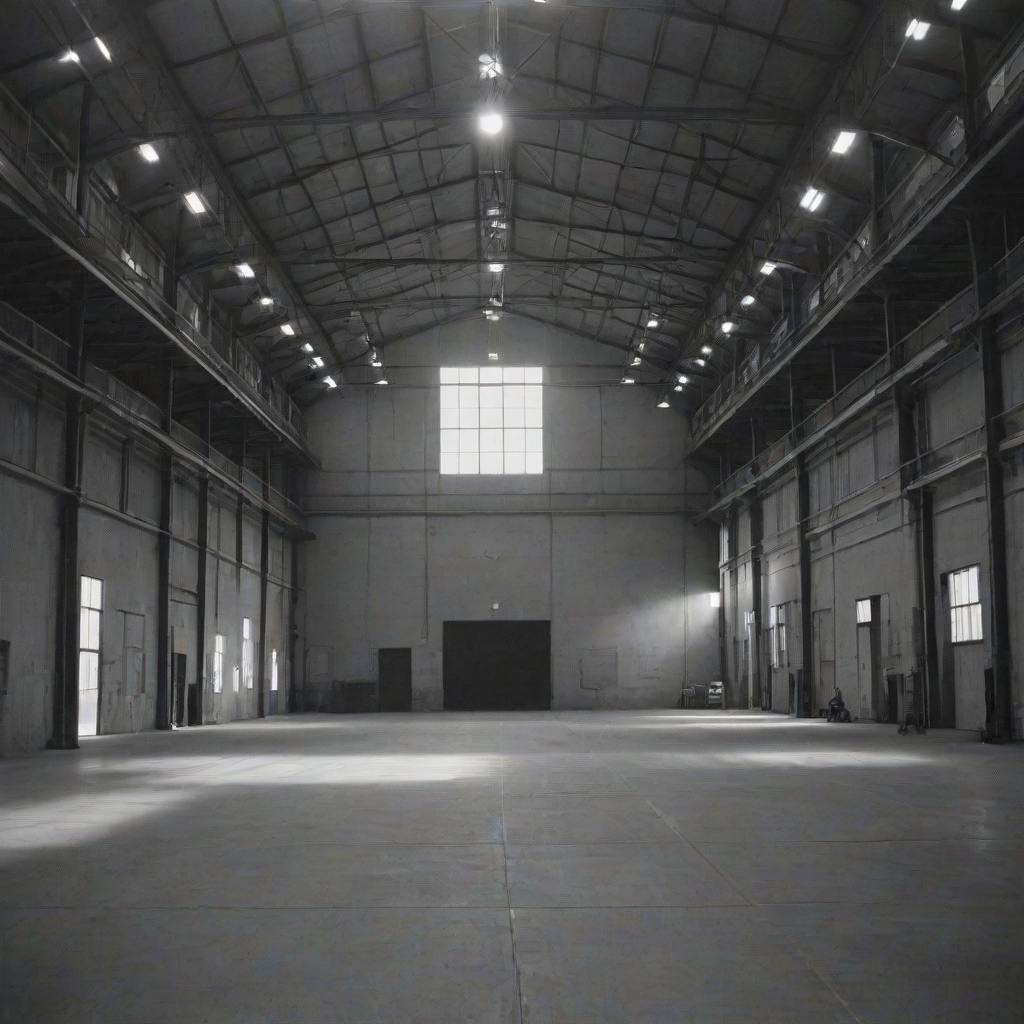
You walk into the warehouse and the ceiling is thirty feet high and the space does not tell you what to do with it. The warehouse has concrete floors and steel columns and loading doors and the loading doors are where the goods came in and the goods left and now the goods are gone and the warehouse is empty and the empty is the invitation. The warehouse does not care what you put in it. The warehouse held cotton or coffee or machine parts or nothing and the nothing is what the warehouse holds best because the nothing is the possibility and the possibility is why everyone who needs space ends up in a warehouse.
Frankie Knuckles was a DJ from the Bronx who moved to Chicago in nineteen seventy seven and took over a warehouse on South Jefferson Street and the warehouse became The Warehouse and The Warehouse became house music. Knuckles played disco and soul and electronic tracks and the tracks blended into each other and the blending was new and the new needed a name and the name came from the building. House music was named after a warehouse. The genre that filled every club in the world for the next forty years was named after an empty building on a street in Chicago where a man from New York played records for people who danced until the sun came up and the sun coming up was the signal that the warehouse had done its job.
Donald Judd moved to Marfa Texas in nineteen seventy one because New York did not have enough room. The galleries were too small and the museums were too crowded and the art Judd wanted to make needed space that only a warehouse could give. He bought an entire block of old military warehouses at Fort D.A. Russell and he filled them with aluminum boxes and concrete forms and the forms sat in the light and the light changed all day and the changing was the art. Judd understood that the warehouse is not a container. The warehouse is a collaborator. The warehouse gives the art room to breathe and the breathing is what makes the art visible.
In Detroit the warehouses along the river held the inventory of the automobile industry for seventy years and then the industry left and the warehouses stayed and the staying was the beginning of something. The techno producers found the warehouses in the late eighties and the warehouses became clubs and the clubs became legendary. Derrick May and Juan Atkins and Kevin Saunderson played in warehouses where the sound bounced off concrete walls and the bouncing was the reverb and the reverb was Detroit. The warehouse rave was the church of electronic music and the church had no pews and no pulpit and no collection plate. The church had a sound system and a concrete floor and the floor was where you prayed with your feet.
You stand in the empty warehouse and your voice echoes and the echo is the warehouse answering you. The warehouse says I am here. The warehouse says I am empty. The warehouse says fill me or leave me but do not ignore me because I am the largest room you will ever stand in that costs the least per square foot and the least per square foot is the beginning of every movement that ever needed space and could not afford it. Every revolution starts in a cheap room. The warehouse is the cheapest room in the city.