 JOHN SINCLAIR
TUNNEL
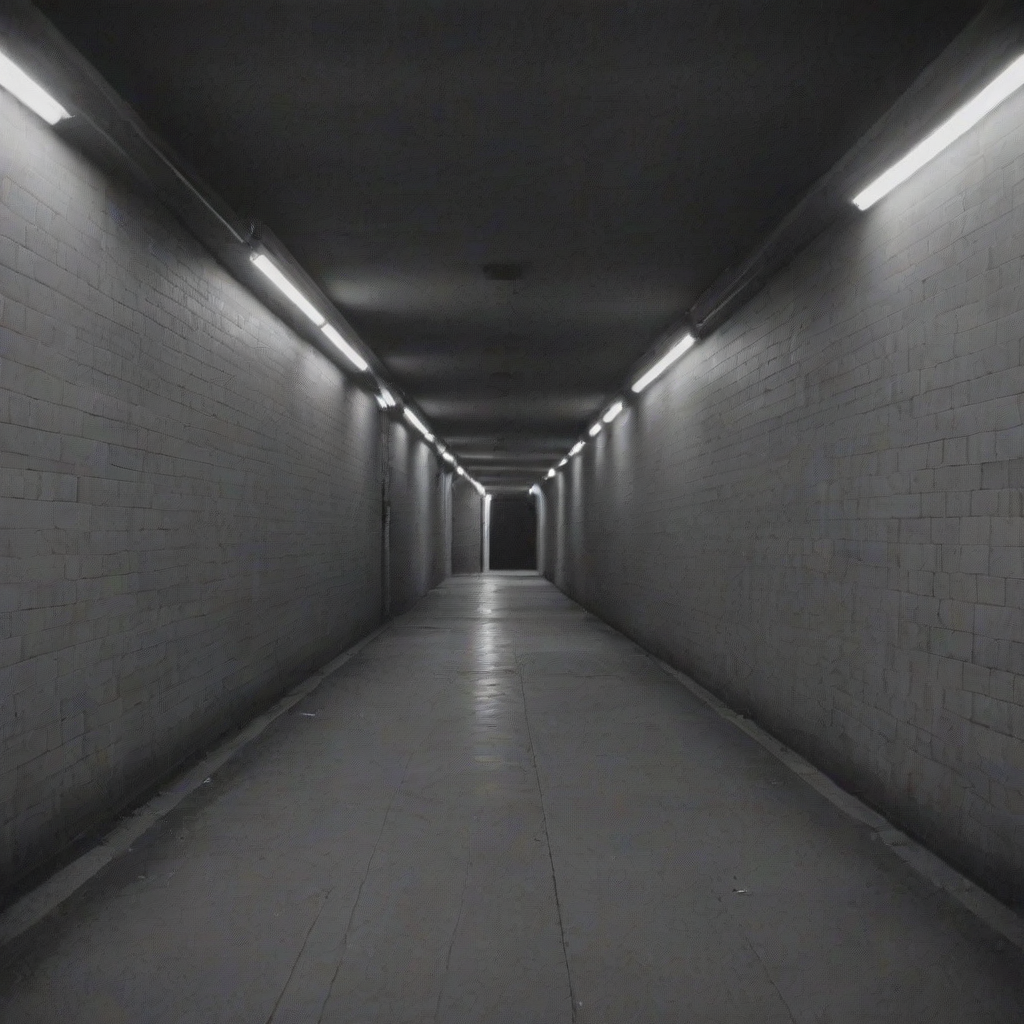
You enter the tunnel and the daylight disappears and the disappearing is the commitment. You are under the river now or under the mountain or under the city and the under is the faith. You cannot see the other end. You trust the other end. The tunnel asks you to believe that the engineers were right and the concrete will hold and the air will flow and the lights will stay on and the staying on is the promise and the promise is infrastructure and infrastructure is the thing you never think about until it fails. The tunnel does not fail. The tunnel has been holding since the day it opened and the holding is the miracle that nobody calls a miracle because miracles are supposed to be rare and the tunnel works every day.
The Holland Tunnel opened on November twelfth nineteen twenty seven and connected Manhattan to Jersey City under the Hudson River and thirteen thousand cars drove through it on the first day because thirteen thousand people trusted that the other side existed. Clifford Holland was the engineer and Holland died before the tunnel opened. He worked himself to death. The tunnel that bears his name killed him and then saved a million commuters a year and the saving was the legacy and the legacy was worth the dying only if you believe that infrastructure is worth dying for and Clifford Holland believed it. The tunnel was the first mechanically ventilated underwater tunnel in the world and the ventilation was eighty-four fans and the fans moved enough air to keep the carbon monoxide from killing you and the not killing you was the invention.
The Channel Tunnel between England and France took six years to dig and the digging was two crews starting from opposite shores and boring toward each other under the English Channel hoping to meet in the middle. On December first nineteen ninety the two crews broke through and shook hands thirty-one miles under the sea and the handshake was the moment when two countries that had been separated by water for ten thousand years were connected by concrete. The tunnel did what the boats could not do. The tunnel made the crossing permanent. The boat comes and goes but the tunnel stays and the staying is the commitment and the commitment is that England and France will never be separate again.
Harriet Tubman called the Underground Railroad a tunnel even though most of it was open sky. The tunnel was the secrecy and the secrecy was the route and the route was the freedom. You entered the tunnel in Maryland and you came out in Pennsylvania or Ohio or Canada and the coming out was the birth and the birth was into a new life. Tubman made nineteen trips through the tunnel and brought three hundred people to the other side and the other side was not a place. The other side was a condition. The tunnel that Tubman ran was not under a river. The tunnel was under a country. The country was the weight above and the weight was slavery and the tunnel went through the weight and came out on the other side and the other side was where the weight was gone.
You drive through the tunnel and the tiles blur and the lights make a rhythm and the rhythm is the speed and the speed is the counting of the lights and the counting is the only way you know you are moving because inside the tunnel there is no landscape and no horizon and no sky. The tunnel removes everything except the forward. The tunnel is pure direction. You are going through and the through is the only option because the tunnel does not allow you to stop and the not stopping is the lesson. The tunnel says keep going. The tunnel says the other end exists. The tunnel says trust the engineers and trust the concrete and trust the air and trust that the light you cannot see is waiting for you and the waiting is the truth. The tunnel always ends. The light always comes back.