 DAVID PEEL
Tuckpointing
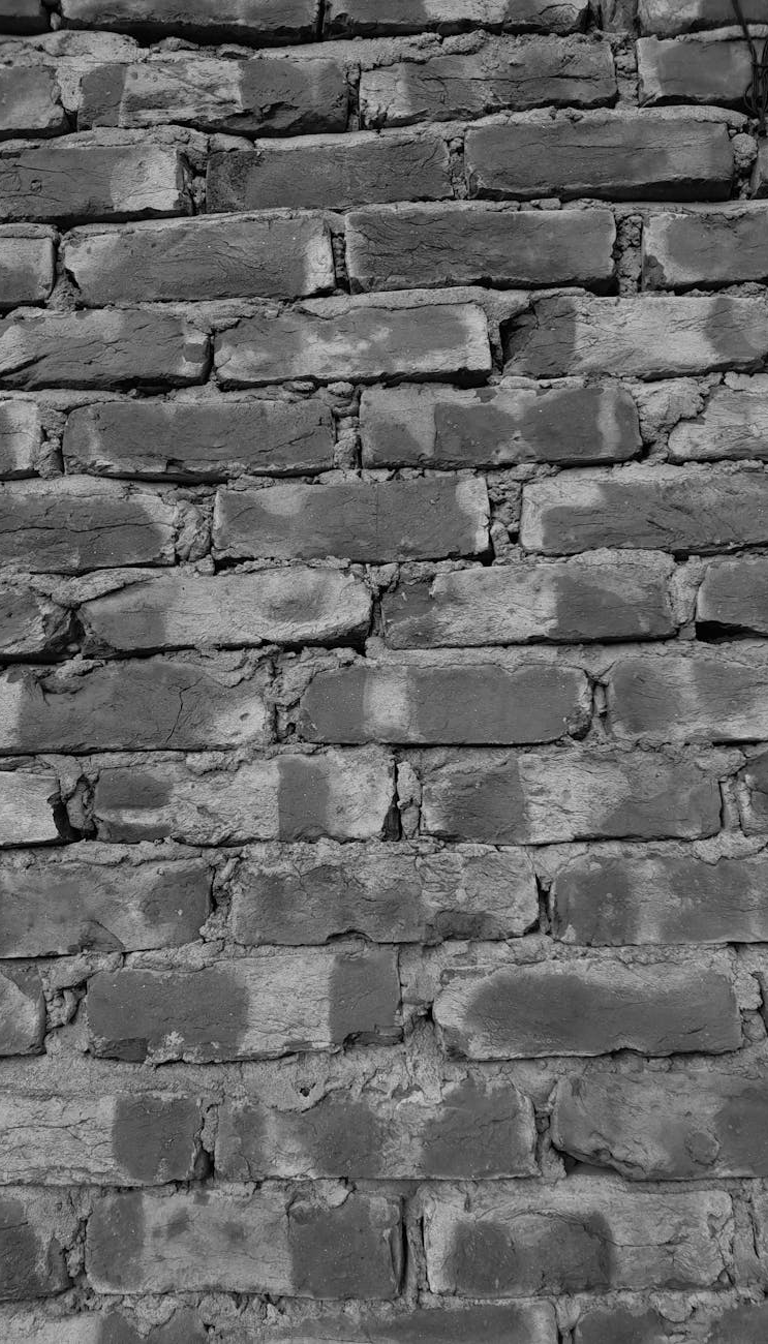
Tuckpointing was the art of replacing the mortar between the bricks. The old mortar cracked. The old mortar crumbled. The weather got in and the freeze-thaw cycle broke the mortar into sand and the sand fell out and the gap between the bricks was open. The tuckpointer came with a grinder and a bag of mortar and ground the old mortar out and pressed new mortar in. The tuckpointer was the wall doctor. The diagnosis was always the same. The joints are failing. The prescription was always the same. New mortar.
The grinder was a diamond blade four inches wide. The tuckpointer ran the blade along the joint and the blade cut the old mortar to a depth of three-quarters of an inch. The dust was gray and fine and covered everything. The tuckpointer wore a mask. The tuckpointer wore goggles. The tuckpointer looked like a surgeon operating on a wall. The wall was the patient and the mortar was the suture and the tuckpointer sewed the wall back together one joint at a time. A brick wall has thousands of joints. The tuckpointer sewed them all.
The color mattered. The new mortar had to match the old mortar and the old mortar had faded in the sun and darkened in the shade and turned green where the moss grew and turned black where the soot landed. The tuckpointer mixed pigment into the mortar to match the weathered color. A brand-new joint in a hundred-year-old wall had to look like it had been there for a hundred years. The tuckpointer was a forger. The best forgery is the one nobody notices. The best tuckpointing is the tuckpointing that is invisible.
The English invented tuckpointing as a deception. The real tuckpointing used two colors of mortar. A base mortar that matched the brick and a thin ribbon of white lime mortar pressed into the center of the joint. From a distance the wall looked like it was built with finer joints than it actually had. The white ribbon was a stripe painted on a wall to make the wall look more expensive. The tuckpointer was an illusionist. The wall was ordinary. The tuckpointing made it extraordinary. The trick was in the mortar not in the brick.
Nobody tuckpoints for beauty anymore. They tuckpoint for maintenance. The joint fails and the water gets in and the water freezes and the ice pushes the brick and the brick cracks and the crack spreads. The tuckpointer comes before the crack spreads. The tuckpointer is preventive medicine. The tuckpointer says this joint has five years left and if we do not fix it now the brick behind it has zero years left. The tuckpointer reads the wall the way a doctor reads a chart. The symptoms are in the mortar. The disease is in the water. The cure is in the trowel.