 JOHN SINCLAIR
TRAIN PLATFORM
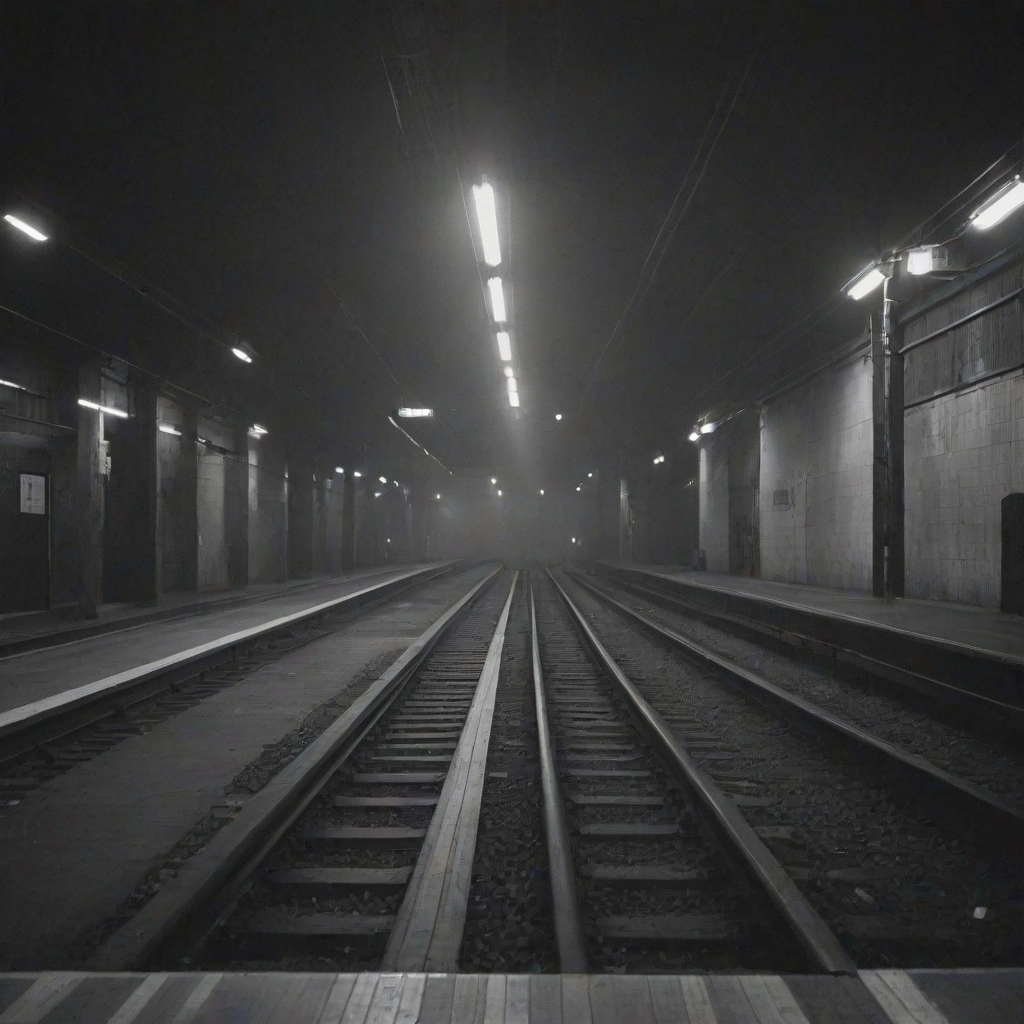
You stand on the train platform and the standing is the waiting and the waiting is the platform's only activity. The platform is a strip of concrete between the track and the wall and the strip of concrete is where your life pauses. You are not in the train. You are not in the street. You are on the platform which is neither here nor there and the neither here nor there is the platform's nature. The platform is the liminal space and the liminal space is the place between places and the place between places is where you check your watch and the checking your watch is the platform's choreography. Everyone on the platform checks their watch. Everyone on the platform looks down the track. Everyone on the platform performs the same dance of impatience.
Grand Central Terminal in New York opened in nineteen thirteen with forty four platforms and the forty four platforms are the most in the world and the most in the world serve seven hundred and fifty thousand people a day and the seven hundred and fifty thousand people a day stand on the platforms and wait. The platforms at Grand Central are underground and the underground means you cannot see the sky and the not seeing the sky means the platform is a cave and the cave is where the commuter waits for the train that will take the commuter to the suburbs and the suburbs are where the commuter lives and the commuter lives in the suburbs because Grand Central's platforms made the suburbs possible. The platform at Grand Central is the machine that distributed New York across Westchester and Connecticut and the distributing New York across Westchester and Connecticut is the platform's accomplishment and the platform's accomplishment reshaped the landscape for a hundred miles.
The platform at Auschwitz-Birkenau is where the selection happened. The trains arrived and the doors opened and the people stepped onto the platform and on the platform the SS doctor pointed left or right and the left or right was life or death and the life or death happened on a train platform. The platform at Auschwitz turned a piece of transportation infrastructure into a murder weapon and the turning a piece of transportation infrastructure into a murder weapon is the darkest thing a platform has ever done. One point one million people arrived at that platform. The platform did not know what it was being used for. The platform was concrete. The platform was built for waiting. The platform was repurposed for selection and the repurposing for selection is the proof that infrastructure is never neutral. Infrastructure serves whoever controls it.
In Mumbai the platforms at Churchgate Station hold five thousand people during rush hour and the five thousand people on one platform is the density that makes the platform dangerous. Seven million people ride the Mumbai suburban railway every day and the seven million people make the Mumbai railway the most crowded railway in the world and the most crowded railway in the world means the platforms are where people fall. People fall from the platforms in Mumbai. People are pushed from the platforms in Mumbai. The platform edge in Mumbai is the most dangerous edge in any city and the most dangerous edge is not a cliff or a rooftop. It is a train platform at rush hour in a city of twenty million.
You hear the announcement and the announcement says the train is approaching and the approaching means you step back from the yellow line and the yellow line is the platform's only safety feature. The yellow line. The paint on the concrete that says do not stand here and the do not stand here is the distance between you and the train and the distance between you and the train is two feet and the two feet is the margin and the margin is everything. The train arrives and the doors open and you step from the platform into the train and the stepping from the platform into the train is the crossing and the crossing takes one second and the one second erases the waiting. All the waiting on the platform. All the checking of the watch. All the looking down the track. Erased by one second of stepping. The platform is the place you forget the moment you leave it. The platform is the place that exists only in the waiting. The train leaves. The platform empties. The platform waits for the next train. The platform is always waiting.