 JOHN SINCLAIR
TRAFFIC LIGHT
You stop at the red and the red is the city telling you to wait and the waiting is not optional. The red is the law. The red is painted on a lens eight inches across and the eight inches controls a four-lane road and the controlling of a four-lane road with eight inches of glass is the most efficient use of authority in the history of civilization. No police officer. No gate. No wall. Just a light and the light changes and you stop or you go and the stopping or going is the social contract and the social contract is hanging from a wire above the intersection.
Garrett Morgan patented the three-position traffic signal in nineteen twenty three and Morgan was a Black man in Cleveland Ohio who watched a car hit a horse at an intersection and decided to invent order. Before Morgan the traffic signal had two positions. Stop and go. Morgan added the third position. The warning. The yellow. The yellow is the genius because the yellow is the pause between stop and go and the pause gives you time to decide and the time to decide is the difference between a near miss and a collision. Morgan sold the patent to General Electric for forty thousand dollars and the forty thousand dollars in nineteen twenty three is worth seven hundred thousand today and the traffic light is worth more than any number because the traffic light has saved more lives than any invention except the vaccine.
In the beginning there was the gas-lit traffic signal outside the Houses of Parliament in London in eighteen sixty eight and the signal exploded and injured the police officer operating it and the exploding injured police officer set traffic signal development back fifty years. The first electric traffic signal went up in Cleveland in nineteen fourteen on the corner of East 105th and Euclid and the corner of East 105th and Euclid is the corner where the modern city was born because the modern city is the city where you wait for the light. The waiting for the light is the tax you pay for living among other people and the tax is measured in seconds and the seconds add up and the adding up is your life spent at intersections. The average American spends two weeks of their life waiting at red lights. Two weeks. Standing still. Because the light said so.
In Drachten in the Netherlands they removed the traffic lights in two thousand three and the removing was an experiment by Hans Monderman who believed that the traffic light makes people stupid. Monderman said the traffic light teaches you to obey the light instead of watching the road and the watching the road is what keeps you alive. Without traffic lights the drivers slow down and the slowing down is the fear and the fear is the safety. Monderman called it shared space. The cars and the bicycles and the pedestrians negotiate and the negotiating is slower and the slower is safer. Drachten's accidents dropped. The traffic lights stayed gone. The lesson is that sometimes the thing that protects you is the thing that makes you careless and the careless is more dangerous than the chaos.
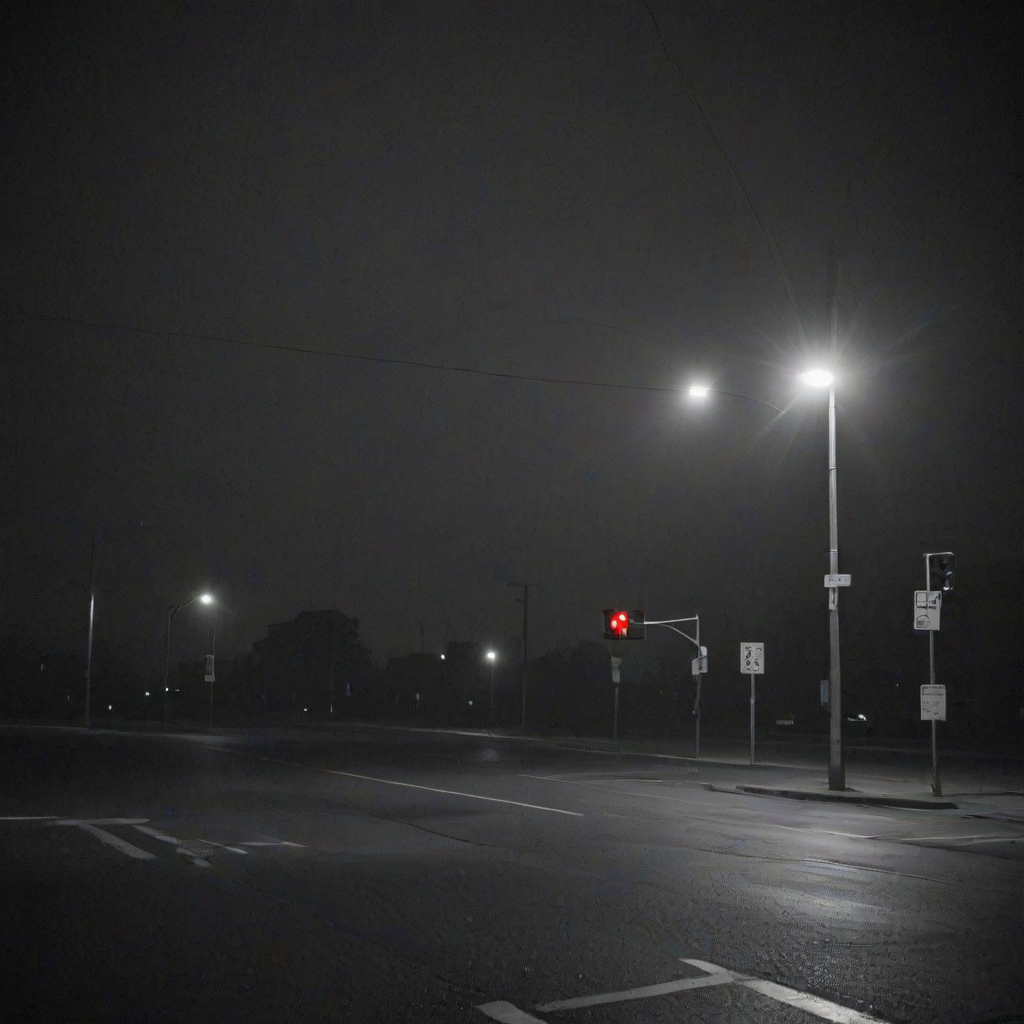
You sit at the red light at three in the morning and there is no one coming and the no one coming is the absurdity. The red light does not know it is three in the morning. The red light does not know the intersection is empty. The red light turns red because the timer says turn red and the timer does not look and the not looking is the traffic light's limitation. The traffic light cannot see you. The traffic light can only command you. And you sit there. At three in the morning. Obeying a machine that does not know you exist. And you wait. Because the light is red. And the red means stop. And you have been trained since childhood to stop when the light is red and the training is so deep that you stop even when stopping makes no sense. The traffic light at three in the morning. The proof that civilization is just a habit.