 DAVID PEEL
Tin Sign
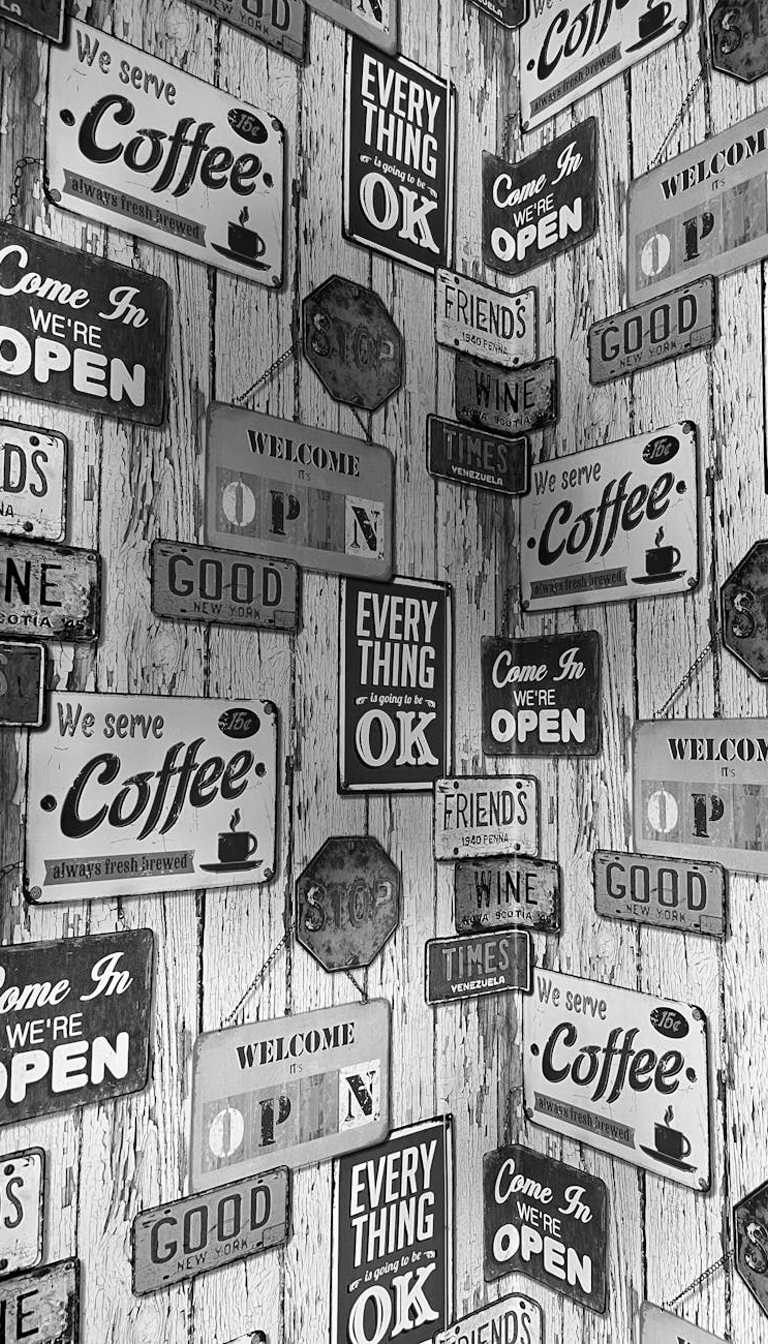
The tin sign hung on the side of the building like a page torn out of a newspaper. Coca-Cola. Bull Durham tobacco. Dr. Pepper. The tin sign was advertising before advertising became a science. A man painted a sign on a piece of tin and nailed it to a wall and that was the campaign. The tin sign was the billboard's grandfather.
The colors were bright. Red and yellow and blue and the letters were thick and the message was simple. Drink Coca-Cola. Smoke Bull Durham. The tin sign did not try to make you feel something. The tin sign told you what to buy. The tin sign was honest about its intentions. The modern ad pretends to be your friend. The tin sign never pretended to be anything but a salesman.
There was a tin sign on the side of a building on Delancey Street that said DRINK HIRE'S ROOT BEER. I walked past it every day for ten years. The sign was rusted at the edges and the paint was fading and the building behind it was falling apart but the sign was still there. The sign outlasted the product. Hire's Root Beer does not exist anymore. The sign does not know that. The sign is still selling.
The tin sign is collectible now. People pay hundreds of dollars for old tin signs. They hang them in restaurants and bars and call them vintage. A sign that cost the company fifty cents in 1920 costs the collector five hundred dollars in 2026. The sign went from advertising to art without changing a single thing about itself. The sign did not improve. The audience did.
You can still find them on old buildings if you know where to look. The ghost signs. The ones where the paint has faded and the tin has rusted and the building has been painted over but the sign bleeds through. The ghost sign is the city remembering what it used to sell. The city does not forget its merchants. The city just paints over them.