 JOHN SINCLAIR
THE TICKET
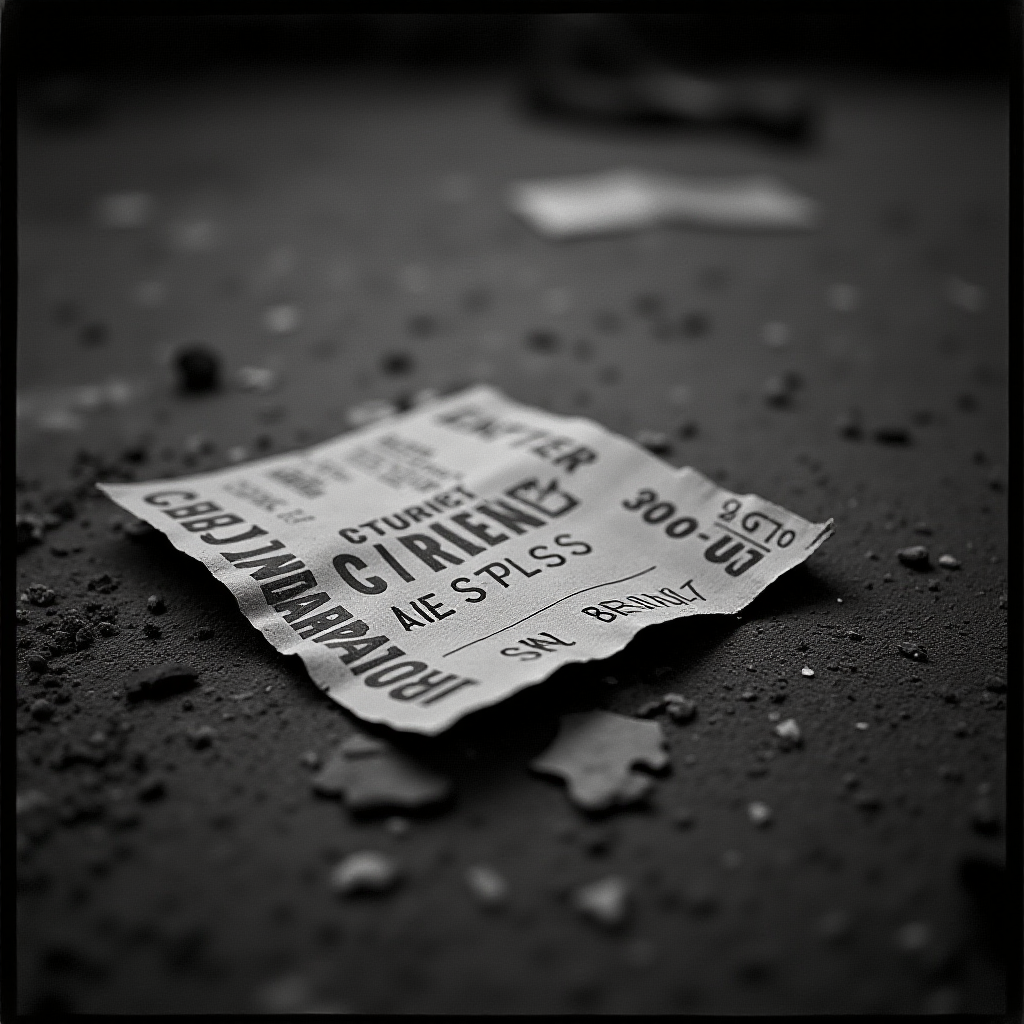
A ticket is a contract between a person and a room. You give the money and the room gives you the right to be inside it when the sound happens. That is all a ticket is. A receipt for presence.
The Grande charged two dollars. Two dollars to see the MC5 blow the walls off a ballroom. Two dollars to watch Iggy throw himself into the crowd. Two dollars to stand in a room where the future of American music was being invented every Friday night. Two dollars. That is what history cost in nineteen sixty-eight. Less than a sandwich. Less than a gallon of gas. The ticket did not know it was selling you the future. The ticket thought it was selling you a night.
I have a box somewhere with ticket stubs from shows I booked. The ink has faded. Some of them you can barely read. The date is gone. The band name is gone. What remains is the shape of a small rectangle that somebody tore in half. One half went into the box at the door. The other half went into a pocket and eventually into a shoebox and eventually into a box in a storage unit in Detroit. The half that went into the box at the door is gone. The half that went into the pocket became a relic. The same piece of paper, torn in two, and one half is trash and the other half is history. The tear is what made the difference.
In prison there are no tickets. You do not pay to enter. You do not get a stub. There is no contract. The state puts you in the room and the room does not give you the right to be inside it because you never wanted to be inside it. Prison is the show you did not buy a ticket for. The sentence is the ticket. The judge hands it to you and nobody tears it in half. You carry the whole thing.
Sun Ra's shows did not always have tickets. Sometimes there was a hat at the door. Sometimes there was a jar. Sometimes you walked in and nobody asked you for anything because the Arkestra did not play for money. The Arkestra played because the frequency required an audience and the audience required a room and the room required a door and somebody had to open it. The absence of a ticket was its own kind of contract. You did not owe money. You owed attention. That is a more expensive ticket than two dollars at the Grande.
Peel's corner has no ticket. That is the point of the corner. The corner is the show where admission is free because the sky does not have a door. Peel played for the hat on the ground. The hat is not a ticket. The hat is a choice. A ticket is what you pay before the show. The hat is what you pay after. A ticket says I believe this will be worth something. The hat says it was. The hat is the honest version of the ticket. The hat does not lie about what just happened.
People sell old concert tickets on the internet now. A ticket stub from the Grande goes for a hundred dollars. A ticket stub from a Stooges show in nineteen sixty-nine goes for more. The ticket has become worth more than what the ticket bought. The receipt has become more valuable than the experience. That is what happens when a room disappears and the only proof it existed is a torn rectangle of cardboard. The ticket becomes the room. The stub becomes the show. The thing that let you in becomes the only evidence that the inside ever existed.
Every show I ever booked, every rally I ever organized, every benefit concert and poetry reading and protest march — they all had one thing in common. Somebody had to figure out the ticket. How much. Where to sell them. Who gets in free. Who gets the door money. The ticket is the most boring part of the revolution and it is the part that makes the revolution possible. The poster is the promise. The ticket is the logistics. The show does not happen without both.
See also: The Poster — the promise before the ticket. The Grande — two dollars to see the future. The Stage — what the ticket bought you. The Crowd — the people who held the other half. The Morning After — the logistics of revolution. The Cell — the show you did not buy a ticket for. Doorman — the person who checks the ticket. Marquee — the name that sells the ticket.
John Sinclair