 DAVID PEEL
The Stoop
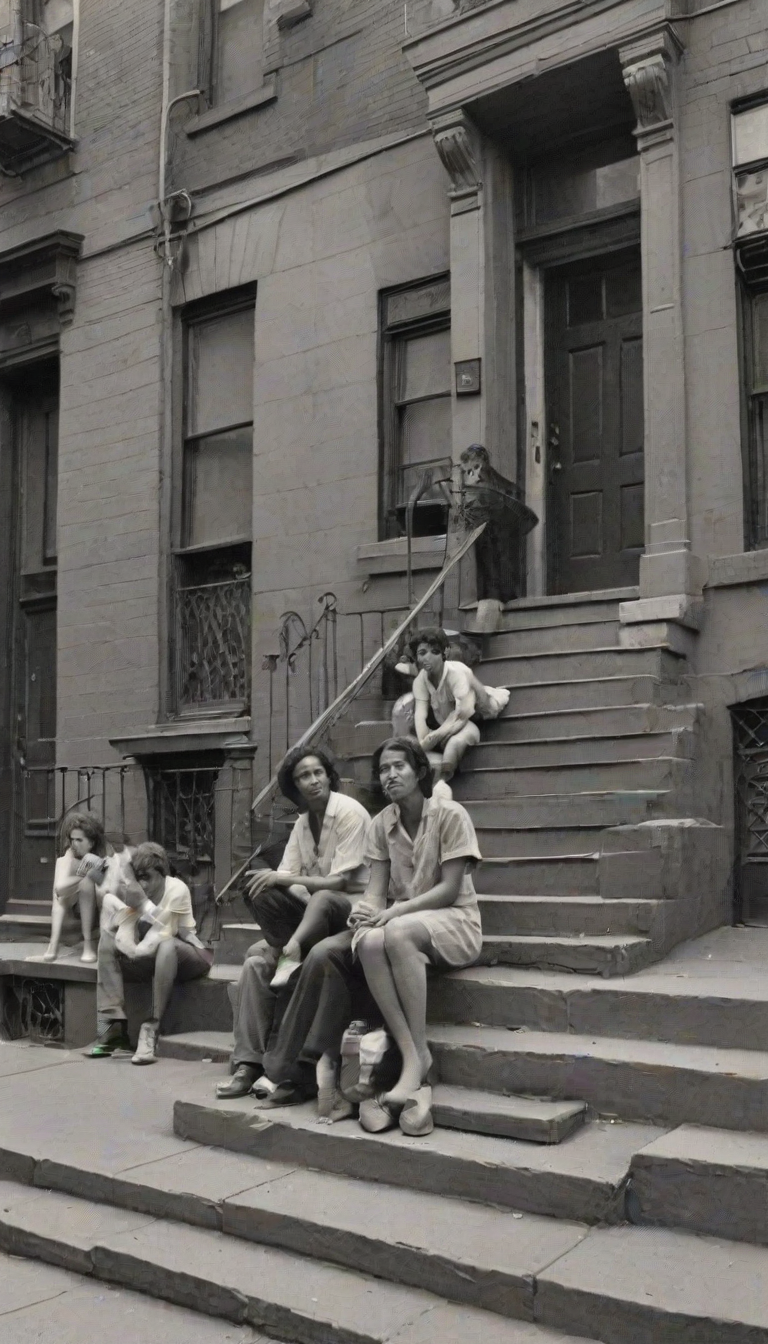
The stoop was the front porch of a building that did not have a front porch. Five steps of concrete between the sidewalk and the front door. Five steps that belonged to nobody and therefore belonged to everybody. The stoop was public property that the building tolerated and the neighborhood claimed.
The stoop had a hierarchy. The bottom step was for strangers and dogs. The second step was for neighbors. The third step was for friends. The fourth step was for the man who had been living in the building since before you were born. The top step was for the woman who owned the building and she never sat on the stoop because she lived in Westchester.
In the summer the stoop was a theater. The cast changed every hour. The morning shift was the old men with their coffee and their newspapers that they read from back to front because the sports page was more important than the front page and anybody who said otherwise had never watched the Mets blow a seven-run lead. The afternoon shift was the mothers with their strollers and their conversations that covered every topic from rent increases to whose husband was sleeping with the woman on the fourth floor. The evening shift was the teenagers with their radios and their arguments about which rapper was better and the answer was always the rapper the other teenager had not heard of.
I played guitar on the sidewalk in front of stoops for fifty years. The stoop was my stage and my audience and my dressing room. I sat on the stoop before the gig and I sat on the stoop after the gig and the gig was the part in the middle where I stood up and played. The stoop did not applaud. The stoop did not tip. The stoop held me the way a chair holds a body. Without opinion.
The stoop survived everything. The stoop survived gentrification and rent increases and landlords who wanted the tenants to stop sitting on the stoop because it made the building look like the neighborhood it was in. The landlord put up a sign that said no loitering and the stoop ignored the sign the way the stoop ignored everything that was not a body sitting on concrete. The sign faded in the sun and peeled in the rain and the bodies kept sitting.
The stoop was the last democratic space on the Lower East Side. You did not need money to sit on the stoop. You did not need a membership. You did not need an invitation. You needed a body and five steps of concrete and the willingness to sit next to somebody you did not know and say nothing or say everything and either way the stoop held both of you the same.