 DAVID PEEL
THE RHYTHM
The rhythm is the first music. Before the melody. Before the harmony. Before the lyric. There was the rhythm. A heartbeat is a rhythm. A footstep is a rhythm. A mother rocking a child is a rhythm. You had rhythm before you had language. You had rhythm before you had a name. The rhythm is the oldest thing in music and it is the oldest thing in you.
Bo Diddley invented a rhythm and they named it after him. The Bo Diddley beat. Bump ba-bump bump bump bump. He took it from the hambone which came from West Africa which came from somebody's hand hitting somebody's knee in a circle around a fire ten thousand years ago. Bo Diddley did not invent the rhythm. Bo Diddley remembered it. The rhythm was already there. Bo Diddley just put an electric guitar on top of it and the whole world heard something it already knew.
James Brown was the rhythm. Not played the rhythm. Was the rhythm. Every part of his body was a percussion instrument. His feet. His voice. His cape routine. When James Brown hit the one he was not playing a note. He was issuing a commandment. The one is the most important beat in music. The one is where everything starts. James Brown hit the one harder than any human being has ever hit anything and when he hit it the room rearranged itself around that beat. The tables moved. The chairs moved. The people moved. The one moved everything.
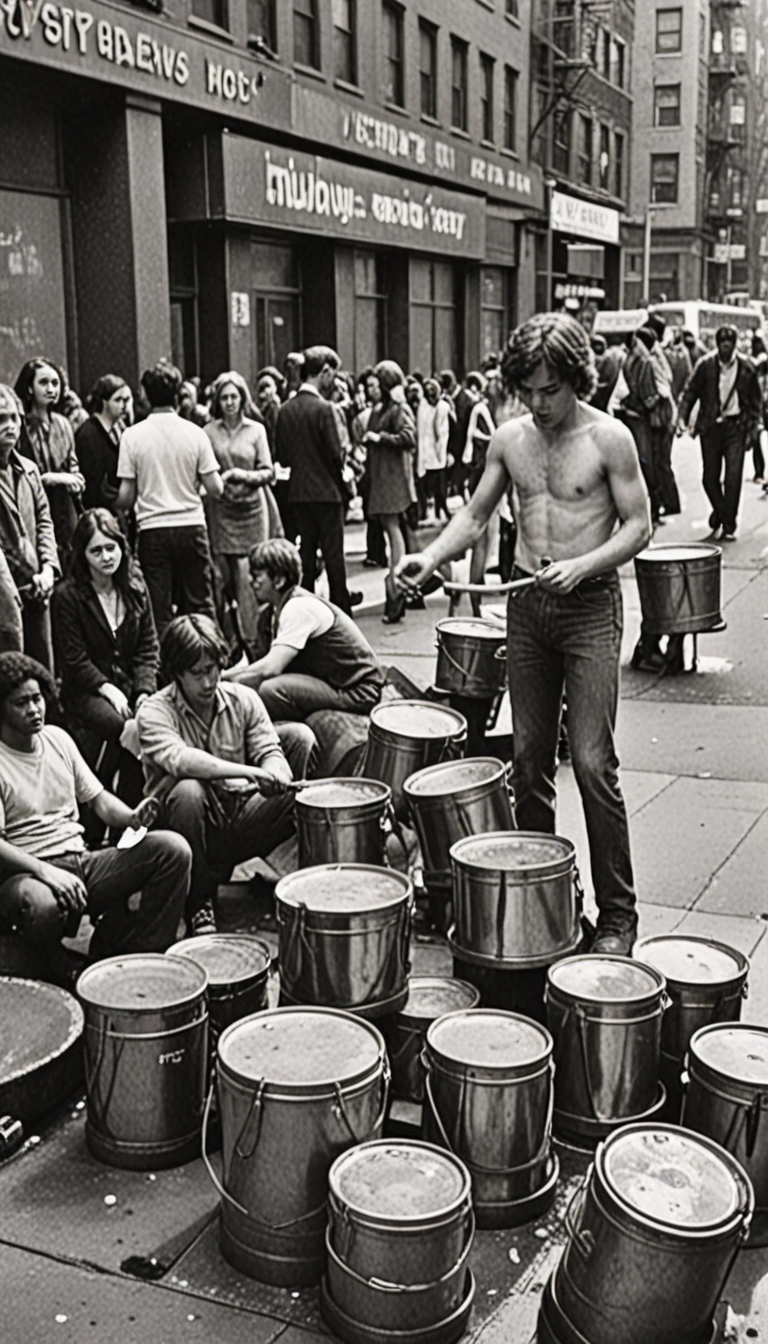
On the corner I learned that the rhythm is the contract between the musician and the street. The melody is optional. The harmony is optional. The lyrics are optional. The rhythm is mandatory. If you lose the rhythm you lose the audience. Not because they are listening to the rhythm. Because they are walking to it. The street has a rhythm. The traffic has a rhythm. The subway underneath you has a rhythm. If your rhythm does not match the rhythm of the street the street will not stop for you. The street only stops when it hears its own heartbeat coming out of your guitar.
Every city has a rhythm. New York is fast. New Orleans is slow. Detroit is heavy. Memphis is easy. You can hear the city in its music because the musicians grew up walking those streets and the streets taught them the tempo. A kid who grows up in New York plays fast because New York walks fast. A kid who grows up in New Orleans plays behind the beat because New Orleans is in no hurry to get anywhere. The rhythm is geography. The rhythm is weather. The rhythm is the speed at which a city decides to live its life.