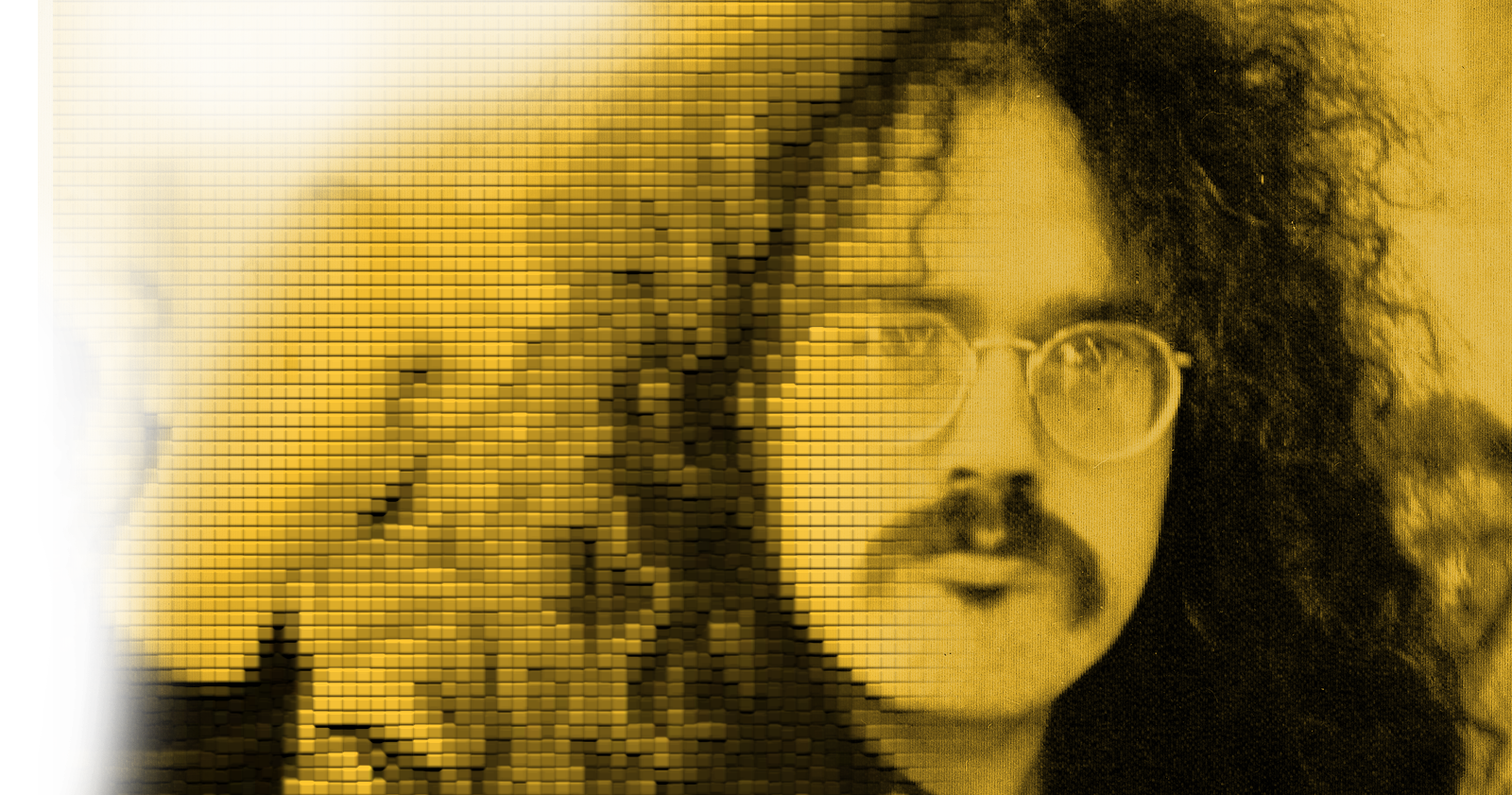
 JOHN SINCLAIR
THE RETURN
The Return
John Sinclair
I came back to Detroit in 2008. I had been gone for five years. Five years in Amsterdam doing radio and smoking legal marijuana and watching America from the outside. I came back because Michigan was about to legalize medical marijuana and because Amsterdam was not home and because there comes a point in an exile when you have to decide whether you are an exile or a person who left.
I decided I was a person who left. And now I was a person who came back.
Detroit in 2008 was not the Detroit I had left. It was not the Detroit of 1966 when I found the MC5. It was not the Detroit of 1969 when they put me in prison. It was a different city. The auto industry was collapsing. General Motors was about to go bankrupt. Chrysler was about to go bankrupt. The city that had been built on the assembly line was watching the assembly line shut down.
I drove through neighborhoods I had known. Houses where people had lived were empty. Houses where people had raised children and cooked meals and played records were boarded up. Whole blocks. Not one house. Whole blocks of empty houses with plywood over the windows and grass growing through the porch.
They called it ruin porn. People came from other cities to photograph the decay. They photographed the abandoned factories and the empty houses and the broken windows and they put the photographs on the internet and people in other cities looked at the photographs and said: how sad. How terrible. How interesting.
It was not interesting. It was Detroit.
But here is the thing about Detroit that the ruin porn photographers did not understand. Detroit was not dead. Detroit was never dead. A city does not die because its buildings are empty. A city dies when its people stop making things. And the people of Detroit never stopped making things.
They were making music. They were making art. They were making food. They were making communities out of the empty lots where the houses used to be. They were planting gardens in the vacant land. They were opening studios in the abandoned factories. They were doing what Detroit has always done — they were making something out of what was available.
I recognized this. I had seen it before. At Trans-Love Energies in 1967 we made a commune out of a rented house. We made a radio station out of a living room. We made a revolution out of a mimeograph machine and some marijuana. Detroit is a city that knows how to work with what it has. Detroit does not wait for permission. Detroit does not wait for investment. Detroit makes the thing and worries about the money later.
I moved into a small place. Not a commune. Not a headquarters. A room. An old man's room. I had records and books and a computer and an internet connection and that was enough to be a radio station. The technology had changed since 1967. In 1967 you needed a transmitter and an antenna and an FCC license. In 2008 you needed a laptop and a microphone and a willingness to talk to nobody at three in the morning.
I was willing. I had been willing my whole life. Talking to nobody at three in the morning is what a radio man does. You put on a record and you say something about the record and you do not know if anyone is listening and you do it anyway because the frequency does not require an audience. The frequency requires a transmitter. You are the transmitter. The rest is out of your hands.
People asked me why I came back. They asked me why I did not stay in Amsterdam where the coffee shops were legal and the radio was free and nobody was going to arrest me for a joint. I told them: Amsterdam was where I could breathe. Detroit is where I could fight.
There is a difference between breathing and fighting. Breathing is what you do to stay alive. Fighting is what you do to stay yourself. In Amsterdam I was alive. In Detroit I was John Sinclair. And John Sinclair belongs in Detroit the way the frequency belongs on the dial. You can move the dial. You can change the station. But the frequency knows where it lives.
Michigan legalized medical marijuana in 2008. The year I came back. I did not plan that. Or maybe I did. Maybe the frequency told me it was time. Maybe I felt the shift from Amsterdam, five thousand miles away, the way you feel a change in the weather before it arrives. Something in the signal said: go home. They are about to do the thing you went to prison for. Go home and watch.
I watched. I watched for ten years. Medical in 2008. Decriminalization in Ann Arbor had been happening since the seventies — they had reduced possession to a five-dollar fine back in 1972, right after my case. But statewide, real legalization — recreational, the whole thing — that did not happen until 2018. Proposal 1. Fifty-six percent of Michigan voters said yes.
I was sitting in my room in Detroit when the results came in. I did not celebrate. I sat there and I thought about the fact that it had taken forty-nine years from the day they arrested me to the day the state said it was legal. Forty-nine years. That is a long time to be right.
The Detroit I came back to was a city that was learning how to be itself again. Not the auto capital. Not the Motown city. Not the ruin. Just itself. A city on a river with people in it who make things. That is what a city is. Not the buildings. The people. Not the industry. The work.
I fit right in. I was an old man who made things. Radio. Poetry. Conversation. Trouble. I sat in my room and I broadcast to whoever was listening and I wrote what I needed to write and I smoked what I needed to smoke and I was home.
Coming home after exile does not feel the way you think it will feel. You think it will feel like triumph. It does not. It feels like continuation. Like you pressed pause on a record and when you pressed play again the needle was exactly where you left it. The song did not stop. You just could not hear it for a while.
Detroit was still playing. The frequency was still there. I just had to come back to hear it.
That's the transmission.
See also: The Exile — Amsterdam, Radio Free Amsterdam, why he left. The City — Detroit in the 1960s. The Second Line — New Orleans, the years before exile. The Dial — the station in Flint, where it started. One Hundred Tracks — the return measured in music.