 JOHN SINCLAIR
THE PIRATE STATION
A pirate radio station is a transmitter with no permission. That is all it is. A person with a microphone and a transmitter and something to say and no license from any government to say it. The government calls it illegal broadcasting. The broadcaster calls it talking. The difference between legal radio and pirate radio is a piece of paper. The signal is the same signal. The voice is the same voice. The air does not check credentials.
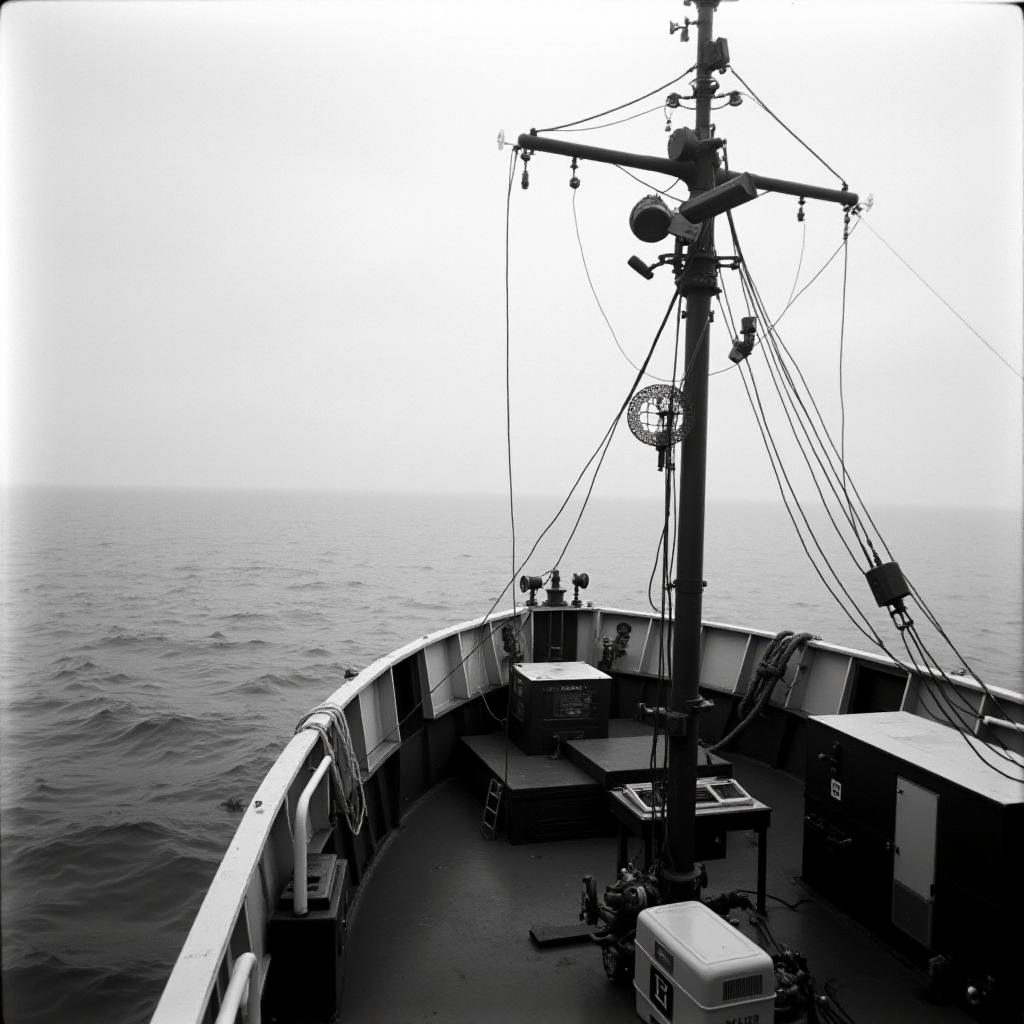
Radio Caroline sailed into the North Sea in nineteen sixty-four on a boat with a transmitter and changed British music forever. The BBC would not play rock and roll. The BBC played what the BBC decided was appropriate for British ears. Radio Caroline decided that British ears could handle the Rolling Stones and the Who and the Kinks and everything else the BBC was afraid of. They broadcast from international waters because no country's law applied there. A boat in the ocean playing records for an island that was not allowed to hear them. Twenty million listeners. The most popular radio station in Britain was illegal in Britain.
Radio Alice broadcast from Bologna, Italy, in nineteen seventy-seven. It was the voice of the autonomist movement. Students and workers and poets and anarchists sharing a microphone and a ten-watt transmitter. They broadcast everything. Music. Poetry. Phone calls from the street during demonstrations. Live reports while the police charged. The Italian government shut them down after a year. They arrested the broadcasters. But for that year, Bologna had a radio station that sounded like the city actually sounded. Not what the city was supposed to sound like. What it actually sounded like. That is what pirate radio does. It broadcasts the actual frequency of a place instead of the approved frequency.
Free Radio Berkeley started in nineteen ninety-three with Stephen Dunifer and a ten-watt transmitter in his apartment. Ten watts. You could power a light bulb with ten watts. He powered a revolution. The FCC came after him. They fined him. They threatened prison. He kept broadcasting. He won in court because the judge ruled that the FCC's licensing structure was unconstitutional as applied. The government said you cannot broadcast without our permission. The judge said your permission process is broken. Dunifer proved that the law protecting the airwaves was actually protecting the corporations that owned the airwaves. The airwaves belong to the public. The license says they belong to the licensee. The pirate says they belong to whoever is talking.
I did radio in Detroit. WABX. I did radio in Amsterdam. The difference was that Amsterdam let me do it and Detroit let me do it until they did not let me do it. Radio is the most democratic medium ever invented. A transmitter and a microphone and you are a broadcaster. Television costs millions. Newspapers cost thousands. Radio costs a transmitter and an electric bill. That is why governments regulate radio more than any other medium. Because radio is cheap enough for anyone to do and the thing governments fear most is anyone doing anything.
Every pirate station gets shut down eventually. Radio Caroline was seized. Radio Alice was raided. Free Radio Berkeley was fined into silence. But the signal was already out. You cannot unsend a signal. The signal travels at the speed of light and once it leaves the transmitter it belongs to anyone with a receiver. The government can smash the transmitter. The government cannot smash the signal. The signal is already in the air. The signal is already in the ear. The pirate station is gone but the frequency remembers.