 DAVID PEEL
THE PAWNSHOP
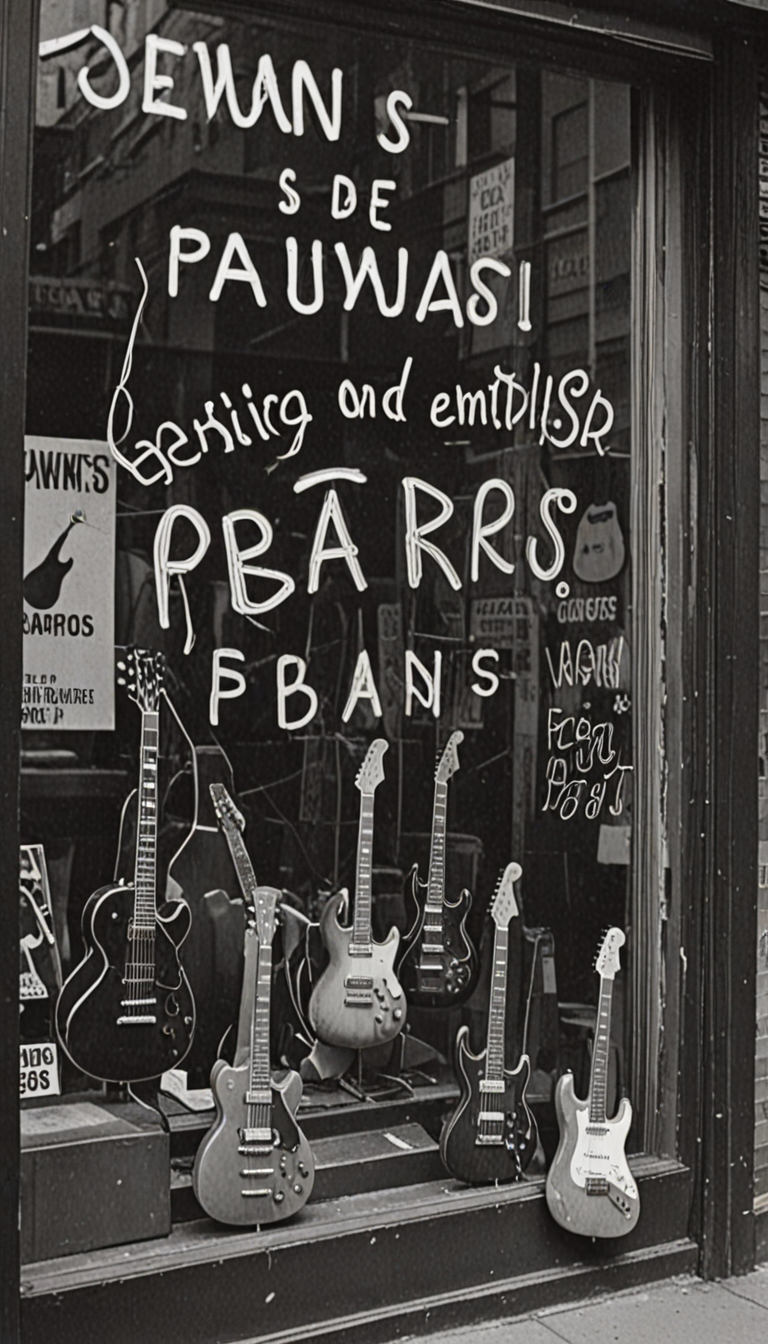
The pawnshop is the most important music store in America. More careers have started in pawnshops than in music schools. I bought my first guitar for twelve dollars from a pawnshop on Third Avenue in nineteen sixty-three. Twelve dollars. Somebody else's guitar. Somebody else's dream that they traded for rent money. I picked up their dream for twelve dollars and I never put it down.
Every guitar in a pawnshop has a story that ends with the sentence I need the money. That is the saddest sentence in the English language and it is also the beginning of every great song. Because the guitar does not care who owns it. The guitar cares who plays it. And the person who walks into a pawnshop with twelve dollars and walks out with a guitar is not buying an instrument. They are picking up a relay baton in a race they did not know they were running.
Robert Johnson played a guitar he got for almost nothing. The most important guitar in the history of American music was not a custom shop Gibson. It was whatever he could get his hands on. The crossroads did not require a specific model. The crossroads required a guitar and a man willing to play it until something happened.
Johnny Cash walked into a music store in Memphis with almost no money and bought the cheapest guitar they had. Sun Records did not ask what brand he was playing. Sam Phillips asked can you sing. The guitar was a vehicle. The song was the destination. The pawnshop provided the vehicle. The man provided the song.
Jimi Hendrix played a right-handed guitar upside down and left-handed because that is what he had. He did not wait for the correct instrument. He took the wrong instrument and made it the right one. That is the pawnshop philosophy. You do not get what you want. You get what is there. And then you make what is there into what you need.
The pawnshop is the recycling center of American music. Dreams go in and dreams come out and they are never the same dream twice. A saxophone that played jazz in Harlem in nineteen forty-five ends up in a glass case in Brooklyn in nineteen seventy and a kid walks in and picks it up and now it is playing punk. The instrument does not care about genre. The instrument cares about breath. The pawnshop keeps the instruments breathing.
I still have that twelve dollar guitar. It is worth more than everything I have ever owned because it is the thing that made everything else possible. Twelve dollars. Third Avenue. Nineteen sixty-three. The most important financial transaction of my life happened in a pawnshop. Not at a bank. Not at a record label. At a pawnshop. Where somebody else's ending became my beginning.