 JOHN SINCLAIR
THE NEIGHBOR
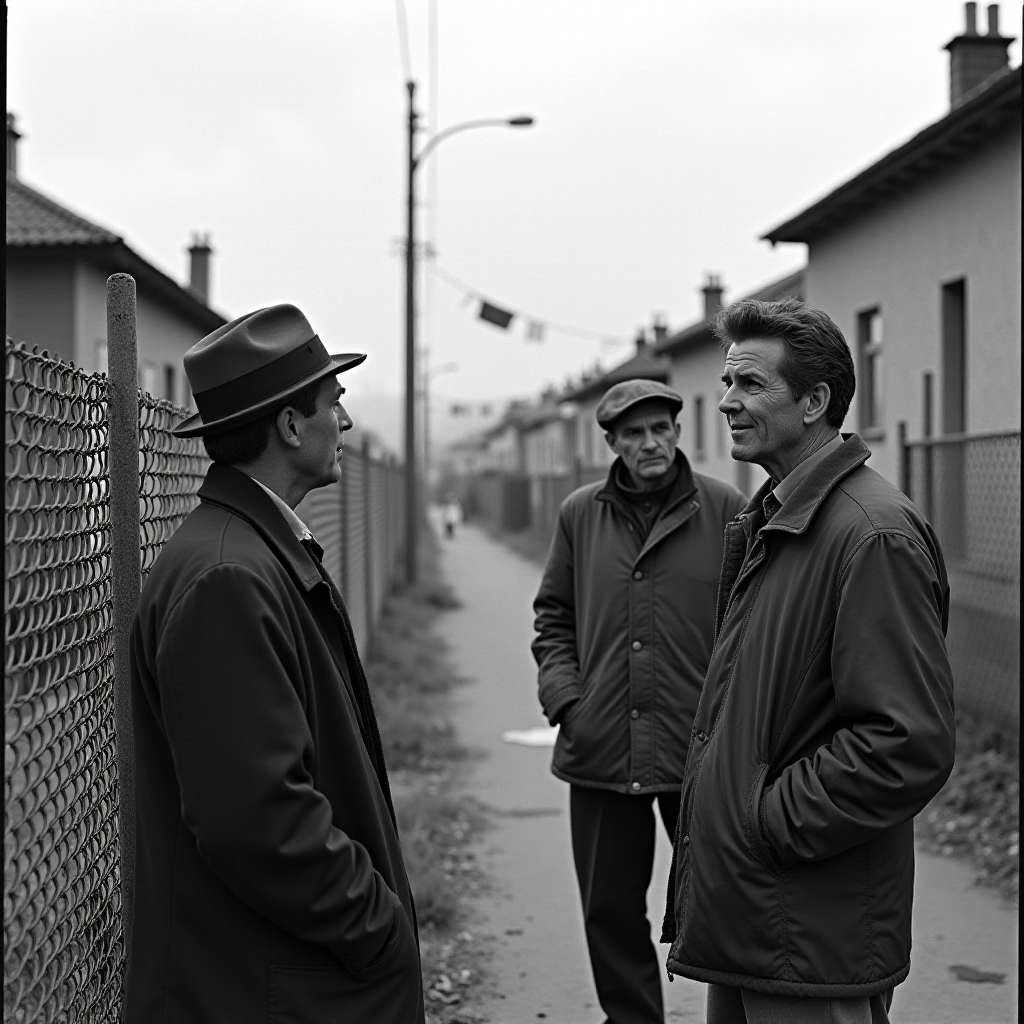
The neighbor is the person who lives close enough to hear you and chooses to listen. The neighbor is not the government. The neighbor is not the charity. The neighbor is the person who shows up at your door with a plate of food because they saw that your lights were off for three days and they wanted to make sure you were alive. The neighbor is the oldest social program in human history and it requires no application and no eligibility and no means testing.
After Hurricane Katrina hit New Orleans in August two thousand five the neighbors came in boats. They came in fishing boats and canoes and inflatable rafts and they pulled people off rooftops for three days before FEMA showed up. The Cajun Navy was not an organization. The Cajun Navy was neighbors with boats. They did not wait for orders. They did not wait for permission. They launched their boats and they went and they saved thousands of lives while the federal government held press conferences. The neighbor does not hold a press conference. The neighbor holds a rope.
After the earthquake in Turkey in February two thousand twenty-three the neighbors were under the rubble with their hands before the international rescue teams landed at the airport. They dug through concrete and rebar with kitchen utensils. They pulled their neighbors out of collapsed buildings while the temperature dropped below freezing. Eleven days after the earthquake neighbors were still finding survivors. The building code failed. The inspection system failed. The government response failed. The neighbor did not fail.
In Detroit when the city went bankrupt in two thousand thirteen the streetlights went out in whole neighborhoods. Nobody came to fix them. So the neighbors fixed them. They ran extension cords from their houses. They pooled money to buy generators. They organized block patrols because the dark invited crime and they were not going to let the dark win. When the water department shut off water to forty thousand homes for unpaid bills the neighbors ran hoses to each other's houses. The city said you owe us money. The neighbors said we owe each other water.
I had neighbors on Hill Street in Ann Arbor who would knock on the door every morning and ask if we needed anything. They were not hippies. They were not radicals. They were a retired couple who lived next door and they understood that the door between two houses is not a wall. The door is a suggestion. The neighbor treats it as a suggestion and walks through it with food and concern and sometimes just company. The revolution does not start with a manifesto. The revolution starts with a neighbor who says I noticed your furnace is broken and I have an extra space heater.
Every mutual aid network is a neighborhood. Every food bank is a neighborhood. Every community garden is a neighborhood. The powerful build systems that isolate people because isolated people are easier to control. The neighbor breaks the isolation. The neighbor says you are not alone in this. The neighbor says your problem is my problem. That sentence is the most dangerous sentence in any language because it means the powerful cannot pick us off one at a time. The neighbor is the unit of resistance. The neighbor is the system that works when every other system fails.