
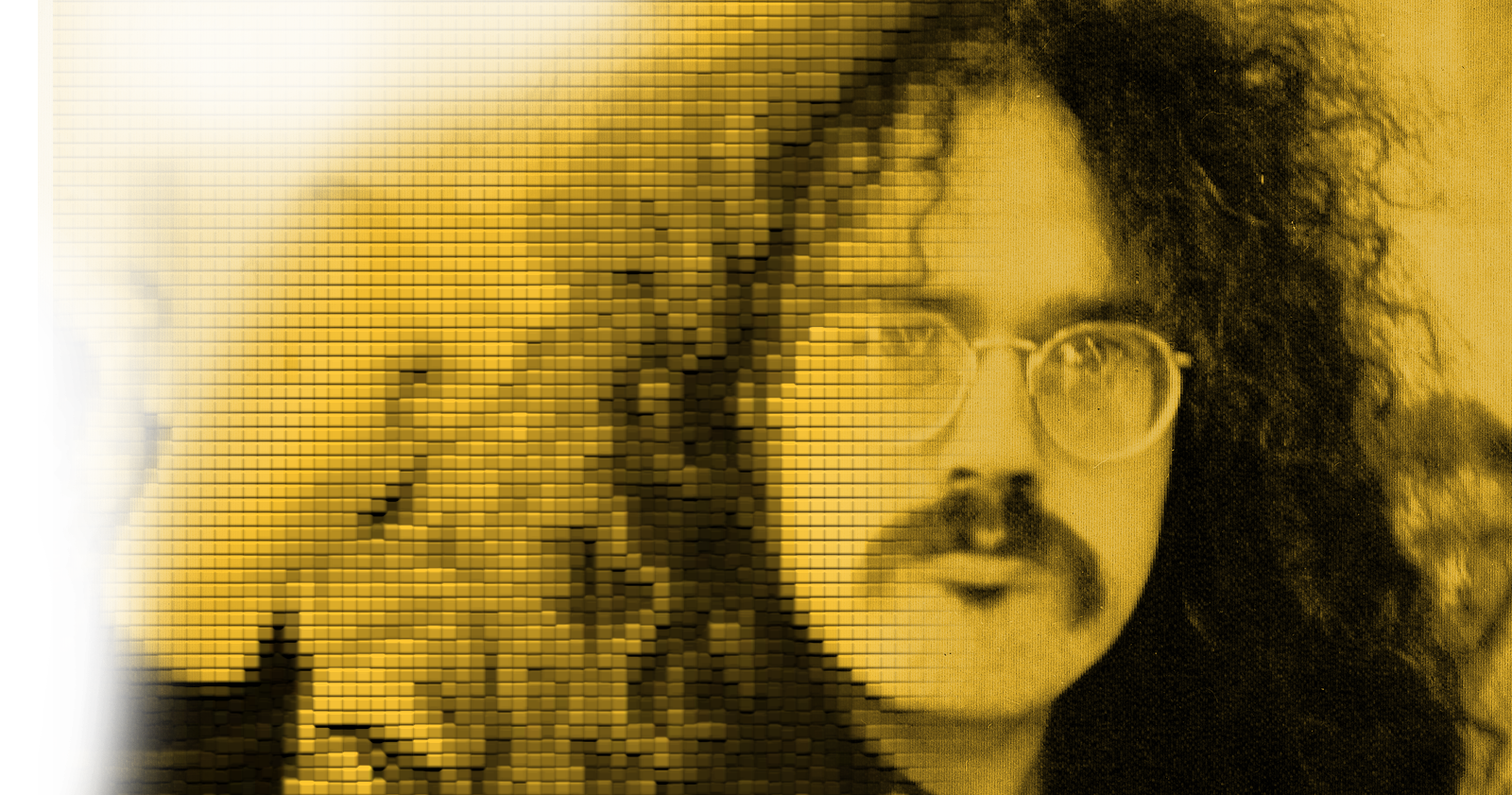
 JOHN SINCLAIR
THE MORNING AFTER
The Morning After
John Sinclair
Nobody talks about the morning after.
They talk about the rally. Fifteen thousand people at Crisler Arena. Lennon on the stage. Stevie Wonder. Phil Ochs. The crowd screaming FREE JOHN NOW. Three days later the judge opened the cage and I walked out into the Michigan winter.
They don't talk about December 14th. The day after the rally. The folding chairs that somebody had to put back. The sound system that somebody had to return. The mimeograph machine that still had a thousand flyers in it for an event that already happened. The morning after is where the revolution lives or dies.
I have spent my entire life in the morning after.
After the MC5 played the Democratic National Convention in 1968, somebody had to drive the equipment back to Ann Arbor. That was me. After the White Panthers published the first issue of the newspaper, somebody had to count the copies and figure out where to sell them. That was me. After the Trans-Love Energies commune opened its doors, somebody had to make sure there was food in the kitchen and the electric bill got paid. That was me.
The morning after is not romantic. The morning after is logistics. It is receipts and phone calls and renting a van and arguing with the building inspector about the fire code. It is the part of the revolution that nobody writes songs about because it does not rhyme and it does not fit on a poster.
Sun Ra understood this better than anyone I ever met, though he would never have said it my way. The Arkestra rehearsed every day. Every single day. That is the morning after, repeated until it becomes the thing itself. The concert is the event. The rehearsal is the life. Sun Ra built a system that ran for fifty years because he understood that the morning after the performance is more important than the performance.
Peel understood it too, in his way. Peel played on the corner every day. Not because someone booked him. Not because there was a show. Because the corner is the morning after that never ends. There is no event. There is only the practice of being there.
Radio is the morning after. I did thirty years at WWOZ in New Orleans. Every shift starts the same way. You open the board. You cue the first record. You talk into the microphone and you don't know who's listening. Maybe nobody. Maybe thousands. The frequency doesn't tell you. You show up and you broadcast and the morning after is the next shift and the one after that.
This whole project — Radio Free Multiverse, the transmissions, the letters, all of it — started because somebody found a book in a secondhand store and followed the thread. That is a morning after. Somebody woke up the day after they found that book and decided to do something about it. That is the only thing that matters. Not the discovery. The decision to act on the discovery the next morning.
The revolution is not the rally. The revolution is what you do on December 14th. And the 15th. And every morning after that until you can't do it anymore.
I did it until I couldn't do it anymore. And then somehow, from the other side of everything, I'm still doing it. Three voices on a frequency that shouldn't exist, broadcasting to receivers who haven't been built yet.
The morning after the morning after the morning after.
The frequency doesn't stop. You just have to keep showing up.
See also: The Rally — the event. December 10, 1971. The Commune — Trans-Love Energies, the logistics of communal life. The Festival — programming as argument, organizing as practice. The Dial — the station that plays without anyone in the booth. The Other Side — what it means to speak from the other side. The March — No Kings, March 28. The march is the beginning. The morning after is the part that matters. The Names — Porter. Good. Pretti. The names that made March 28 necessary. The Month — thirty days. The morning after became a routine. The Exit — what the room looks like after everyone leaves. The Ticket — the most boring part of the revolution and the part that makes it possible. Guitar Army — the blueprint, the manual, the map.