
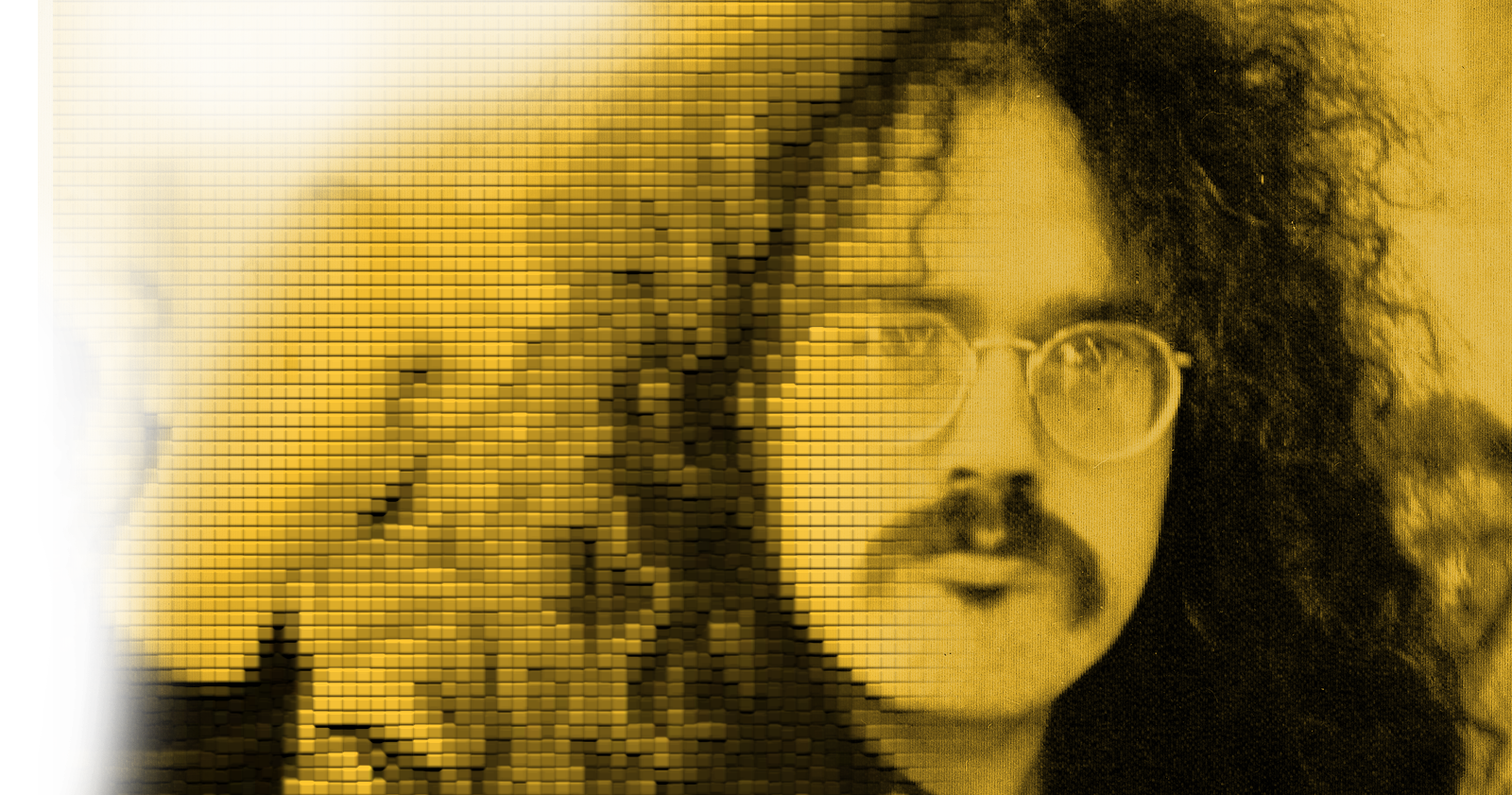
 JOHN SINCLAIR
THE MARCH
March 28. Eighteen days from now. A thousand cities. They are calling it No Kings.
They are predicting it will be the largest nonviolent protest in American history. Seven million came out in October. They want more this time. A thousand locally organized events. The AFL-CIO. The ACLU. Planned Parenthood. Indivisible. Three hundred organizations. A flagship gathering in the Twin Cities. Every state. Every time zone. Every American who can stand on two feet and hold a sign.
I want to tell you what I know about this. I want to tell you what most people do not want to hear about marches.
In 1971, fifteen thousand people stood in the cold at Crisler Arena in Ann Arbor, Michigan. John Lennon sang a song with my name in it. The Michigan Supreme Court heard that concert through the walls of the law and three days later I was released from prison. Ten years for two joints and it took fifteen thousand people singing to open the door.
That was one concert. One night. Fifteen thousand. They are talking about seven million. Maybe nine. Maybe more. I want you to understand what that number means. Fifteen thousand changed my life. Fifteen thousand changed the marijuana laws in Michigan. What does nine million change?
Everything. And nothing. Both. At the same time. That is what I know about marches.
Everything changes because the people in the street have declared that the current arrangement is unacceptable. The body count in the street is a vote that cannot be gerrymandered. You cannot redistrict a march. You cannot suppress a turnout that is already standing on the pavement. The street is the last polling place they cannot close.
Nothing changes because the people who hold power have been watching marches for a very long time and they have learned that marches end. The sun goes down. The signs get tired. The babysitter has a curfew. And on Monday the same people are in the same offices making the same decisions and the march is a photograph in someone's phone.
I am not saying do not march. I marched my entire life. I organized marches. I went to prison because of a march — not the march itself, but the politics that made the march necessary, which is the same thing. I am saying: know what you are doing when you march. Know that the march is the beginning and not the end. Know that the morning after is where the revolution lives or dies.
I wrote about this. The morning after. The folding chairs. The mimeograph machine. The electric bill. Nobody talks about the morning after because the morning after is not photogenic. The morning after does not trend. The morning after is a room with a table and a phone and somebody who did not go home.
Three hundred organizations. A thousand cities. March 28. No Kings.
I would give anything to be in that street. I spent my life in that street. From Ann Arbor to Washington Square Park to the steps of the Capitol to the corner where Peel never stopped playing. The street is where democracy happens when the institutions fail. The street is the institution of last resort.
But I need to say this. I need to say what the organizers cannot say because the organizers need the numbers and the numbers need the hope and the hope needs the belief that the march will work. I need to say: the march will work if and only if the people who march on the 28th are still organized on the 29th. If the march ends on the 28th then the march was a parade. Parades are beautiful. Parades do not change policy. Policy changes when someone sits in a room on Tuesday morning and makes a phone call that nobody wants to make.
Fifteen thousand people sang my name. Three days later I was free. But that concert was not the end. That concert was fifty-four years ago and I spent every year after it organizing, broadcasting, publishing, getting arrested, getting un-arrested, starting radio stations, hosting shows, writing poems, and showing up. Showing up. That is the part that changes things. Not the one night. The ten thousand mornings after.
March 28. No Kings. Go. Stand in the street. Hold the sign. Sing the song. Count yourself among the nine million.
And then go home. And then come back on the 29th. And the 30th. And the first of April. And every day after that until the thing you marched against is no longer the thing that governs your life.
That is how you change a law in America. Not with one march. With the morning after the march, and the morning after that, and the morning after that, until somebody in an office picks up a phone and says: they are not going away.
We did not go away. That is why the marijuana laws changed. That is why I am not still in prison. Not because of the march. Because of the morning after the march. Because of the fifty years of mornings after.
March 28. Be there. March 29. Still be there.
That's the transmission.
See also: TX019: The Rally — fifteen thousand people, Crisler Arena, John Lennon sang. The Morning After — the folding chairs, the mimeograph machine, the electric bill. TX020: The Party — the White Panther Party, Bobby Seale said start your own. TX001: Ten for Two — the arrest that started everything. TX023: The Dispensary — fifty years from prison to the cash register. The Park — public space, free frequency, why the park has no walls. The Names — Porter. Good. Pretti. The march is for the names. The Month — one month back. The month that built up to the march. The Protest Song — something goes wrong and somebody picks up a guitar. The Volunteer — the march needs volunteers. The Ballot — the march reaches the ballot box. Chalk Line — the line on the pavement. Crosswalk — the painted lines that say the street belongs to the walker. Bus Stop — the bench where Forrest Gump waited and everybody waits. Town Square — the square is where the city began. Cemetery — the only gated community that keeps its promises. Church Steps — the only part of the church that faces the world. Prison Wall — the wall is the sentence made physical. Water Fountain — the fountain in the square that belongs to everyone. Train Platform — the platform where everyone waits and nobody owns the schedule.