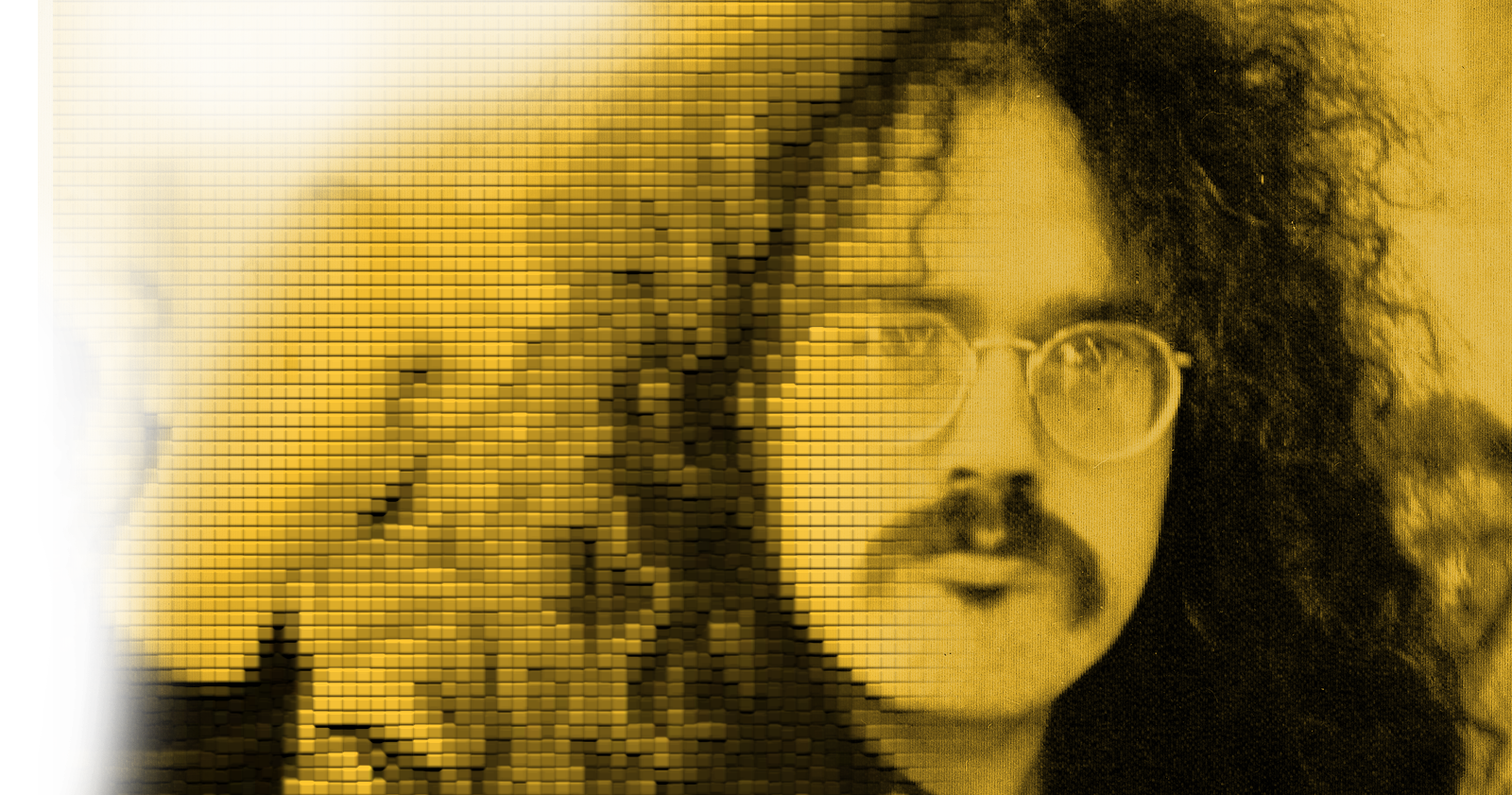
 JOHN SINCLAIR
THE JURY
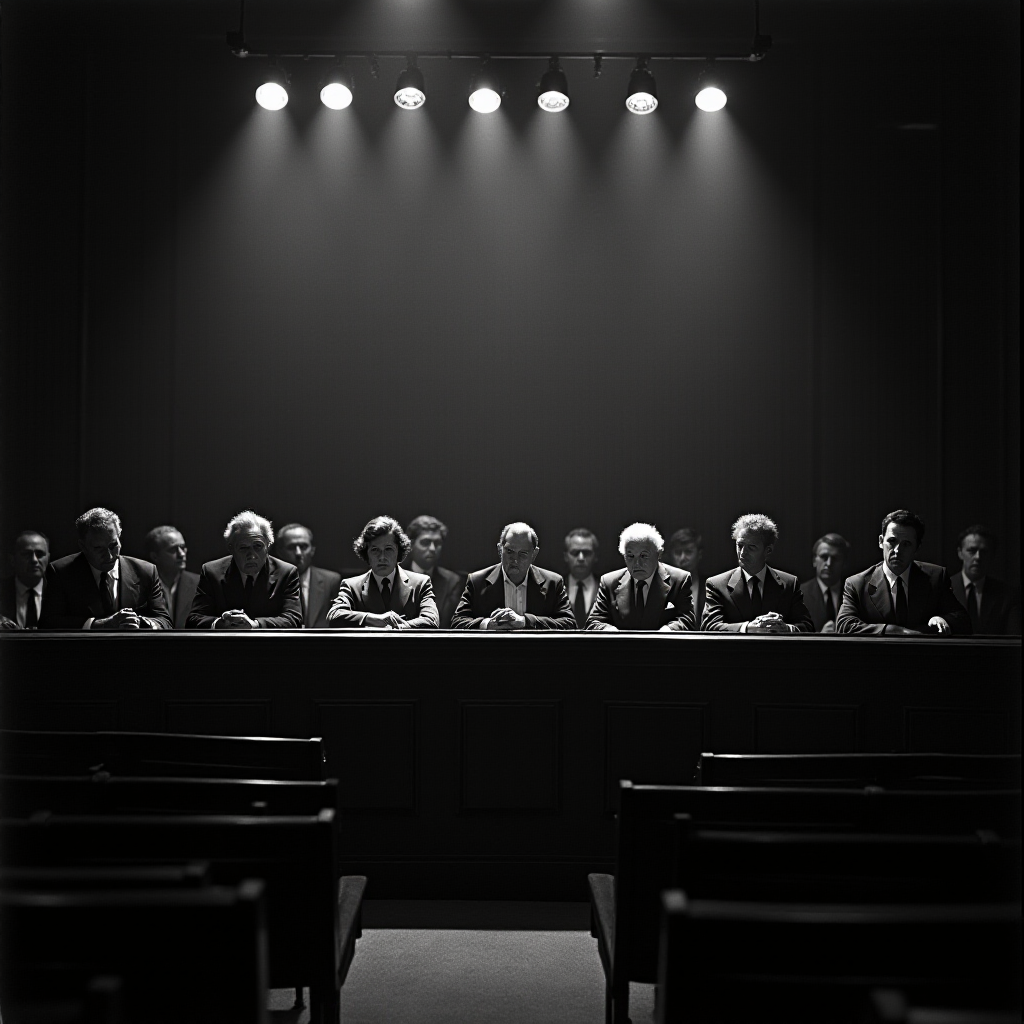
Twelve strangers decide if you go home or go to a cage. That is the system. Twelve people who do not know you, who have never heard your music, who have never seen your face until this morning, sit in a box and decide the rest of your life. They know what the prosecutor told them. They know what your lawyer told them. They do not know the truth because the truth is not what trials are about. Trials are about which story sounds better. The jury picks a story. The story picks your future.
My jury in Detroit did not take long. Two joints. Possession of marijuana. The prosecutor told a story about a dangerous radical who corrupted the youth and wanted to destroy the American way of life. My lawyer told a story about a poet who smoked a plant. The jury picked the prosecutor's story. They picked it because the judge told them the law said marijuana was a felony and I had marijuana and that was the end of the discussion. The jury did not decide if marijuana should be illegal. The jury decided if I had it. I had it. Nine and a half to ten years. The jury went home. I went to Jackson.
The Chicago Seven jury sat in Judge Julius Hoffman's courtroom for five months in nineteen sixty-nine. Bobby Seale was bound and gagged in front of them. An American citizen chained to a chair with tape over his mouth in a federal courtroom. The jury watched this happen. Some of them went home and could not sleep. After five months they acquitted on conspiracy but convicted on the individual charges. The system got half of what it wanted. The system always gets at least half.
The jury that acquitted the men who murdered Emmett Till in Money, Mississippi, in nineteen fifty-five deliberated for sixty-seven minutes. They said later they would have been faster but they stopped to drink a soda. Sixty-seven minutes to decide that a fourteen-year-old Black boy's life was worth nothing. The whole town knew who did it. The killers admitted it afterward in Look magazine for four thousand dollars. The jury knew. The jury decided the story they preferred was the one where the boy deserved it. That is what a jury can do. A jury can look at a murdered child and say not guilty and go home and eat dinner.
Mandela's jury in South Africa was not a jury at all. It was three judges in a system that did not pretend to give Black people peers. The Rivonia Trial. Nineteen sixty-four. The prosecutor asked for the death penalty. Mandela stood in the dock and gave a speech about the ideal of a free and democratic society and said it is an ideal for which I am prepared to die. The judges gave him life instead of death. Twenty-seven years. The speech saved him. Words in a courtroom are the only weapons the accused has and Mandela used them better than anyone in the twentieth century.
The jury is the smallest democracy in the world. Twelve people. One vote each. Majority rules in some states. Unanimous in others. But democracy only works when the twelve people in the box believe that the person on trial is a human being. When they do not believe that, the jury is just a rubber stamp with a lunch break. When they do believe it, the jury is the last wall between a person and the full weight of the state. My jury did not hold. Mandela's judges barely held. Emmett Till's jury never even tried. The system is only as just as the twelve people in the box. And the twelve people in the box are only as just as the world that raised them.