
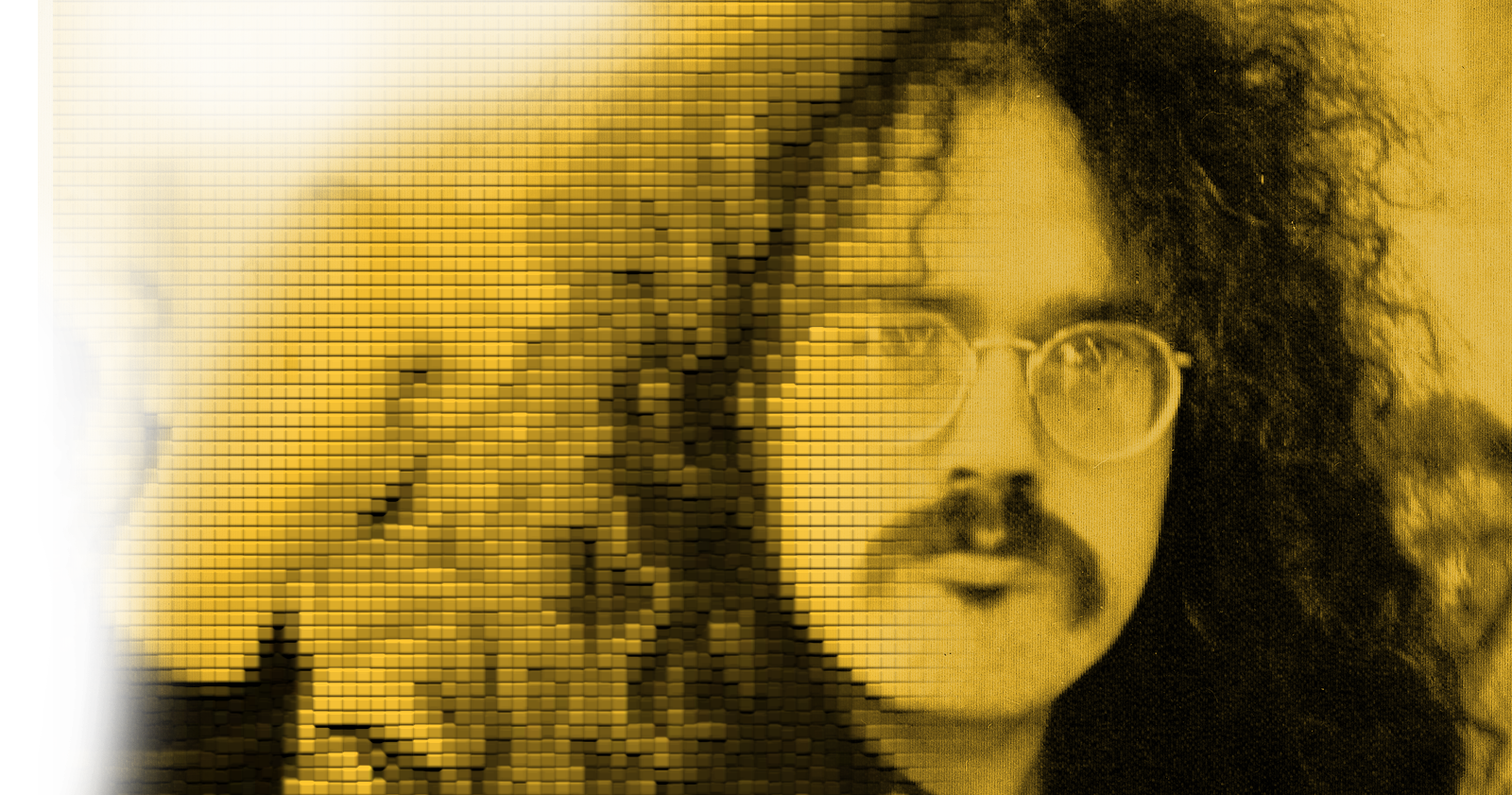
 JOHN SINCLAIR
THE FESTIVAL
The Ann Arbor Blues & Jazz Festival was the most important music festival you have never heard of. Not Woodstock. Not Monterey. Ann Arbor. Because Ann Arbor was the only festival that understood what the music actually was.
Woodstock was a celebration. Monterey was a showcase. Ann Arbor was an argument. The argument was this: the blues and the jazz and the rock and roll are not different musics. They are the same music played by different people in different rooms. Put them on the same stage and the audience will figure it out.
We started in 1969. I was still out on bail, waiting for the appeal that would eventually send me to prison. The festival was an act of organizing — not just a concert. We wanted to bring the masters to Michigan. The people who invented the music. The people the rock and roll bands had been listening to in their bedrooms.
Muddy Waters. Howlin' Wolf. B.B. King. Junior Wells. Buddy Guy. Luther Allison. Hound Dog Taylor. These were not oldies acts. These were the living source. The river that every tributary came from. And we put them on a stage in a college town in Michigan and said: listen.
The genius of the festival was the programming. Nobody else was doing this. Nobody else was putting Muddy Waters on the same bill as Sun Ra and the Arkestra. Nobody else was putting Howlin' Wolf on the same stage where the MC5 had played the night before. Nobody else was saying out loud what we all knew — that the blues and free jazz and high-energy rock were all coming from the same place. The same need. The same refusal to be quiet.
Sun Ra at the Ann Arbor Blues & Jazz Festival was something nobody was prepared for. The blues audience came to hear the twelve bars. The jazz audience came to hear the changes. Sun Ra gave them the cosmos. Some people walked out. Some people had their minds permanently rearranged. Those were the ones we were playing for.
1969 was the first year. Otis Rush. Roosevelt Sykes. Junior Wells and Buddy Guy. T-Bone Walker. Magic Sam — who died three months later, twenty-five years old. We did not know we were documenting a music that was losing its masters. We just knew we wanted to hear them play.
1970 was bigger. Howlin' Wolf. Luther Allison. Son House — seventy years old, rediscovered after decades, playing the Delta blues like time had stopped. Freddie King. Johnny Shines. The festival was growing but the mission was the same: bring the source to the people. Let the people hear where the music comes from.
Then I went to prison. 1971, no festival. The state of Michigan had successfully removed the organizer from the equation. That was partially the point. You take out the person who connects the community to the culture and the community loses access to the culture. That is how suppression works. You do not ban the music. You imprison the person who brings the music.
1972 I was out. The festival came back. Bigger than ever. Muddy Waters. Bobby Blue Bland. Otis Rush. Bonnie Raitt — twenty-two years old, already understanding that the blues was not a style but a commitment. Freddie King. Junior Wells. Dr. John. And Sun Ra. Always Sun Ra. Because the festival was never just about the blues. The festival was about the music underneath the blues. The frequency that connects all of it.
1973 was the last year. We did not know it was the last year. You never know which performance is the last one. Ray Charles. Muddy Waters. Bobby Blue Bland. Luther Allison. Howlin' Wolf — who would be dead in three years. We brought them all together one more time and the audience heard what we had been trying to say since 1969: this is one music. One river with many channels. One frequency with many stations.
The festival ended because everything ends. The money was complicated. The politics were complicated. The city of Ann Arbor had a love-hate relationship with twenty thousand blues fans descending on their town every September. And I was trying to rebuild a life after prison, rebuild an organization after COINTELPRO, rebuild a movement after the sixties ended and the seventies arrived with their hangover.
But the festival lives. Every blues festival that books a jazz act is carrying our DNA. Every jazz festival that puts a rock band on the bill is continuing the argument. Every programmer who refuses to respect the genre boundaries is doing what we did at Ann Arbor — putting Muddy Waters next to Sun Ra and daring the audience to tell them apart.
The Ann Arbor Blues & Jazz Festival proved something that the music industry has spent fifty years trying to disprove: the audience is smarter than the algorithm. Put great music in front of people and they will respond. They do not need to be told what genre it is. They do not need to be sorted into demographic categories. They do not need a playlist curated by a machine that has never been in a room where Howlin' Wolf was singing.
They just need a stage and a performer and the truth. That is what the festival was. A stage. A performer. The truth. Every year. As many times as we could manage. Until we could not manage it anymore.
The frequency does not end when the festival ends. The frequency continues. It is still continuing. That is the transmission.
See also: The Blues — the blues roots that led to the festival. The Five — the MC5 on the same stage as Muddy Waters. The Spaceman — Sun Ra at Ann Arbor. Transmissions from Saturn — Sun Ra in his own words. Last Time You Saw a Live Band — the question the empty stage asks. The Groove — Giant Steps, the groove that started everything. The Lineup — Jazz Fest 2026, what happened to the festival that used to belong to the city. The Fish Cheer — Peel on Country Joe and the moment the audience became the show.