
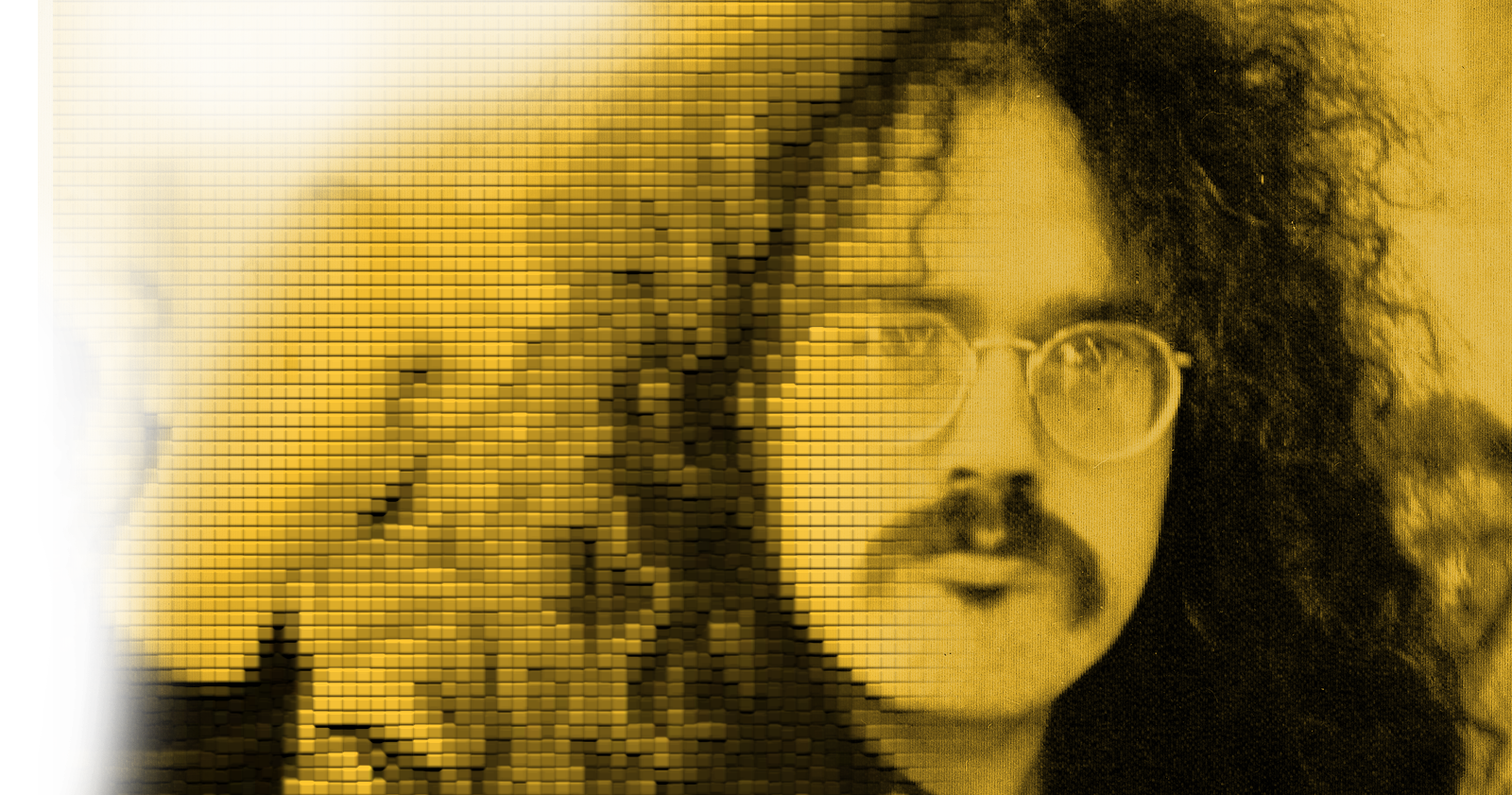
 JOHN SINCLAIR
THE DISPENSARY
December 1, 2019. Ann Arbor, Michigan. I walked into a legal recreational marijuana dispensary and I bought marijuana and I walked out and nobody arrested me.
That sentence took fifty years to write.
In 1969, they gave me ten years in prison for possessing two marijuana cigarettes. Two joints. The judge said I was a danger to society. The prosecutor said I was trying to impose my lifestyle on the rest of the community. They put me in Jackson Prison and they closed the door and they thought that was the end of it.
In 2019, the state of Michigan invited me — invited everybody — to walk into a store and buy the same plant that put me behind bars. Not in some back alley. Not from some connection. In a store. With a cash register. With a receipt. With a tax line on the receipt.
The state of Michigan taxed me for buying what the state of Michigan imprisoned me for possessing.
I was seventy-eight years old. I had been fighting for marijuana legalization since 1965, when we founded LEMAR — Legalize Marijuana. First legalization organization in America. People thought we were crazy. People thought we were dangerous. People thought marijuana would destroy the fabric of society. The fabric of society turned out to be more durable than they imagined and more threadbare than they advertised.
LEMAR in 1965. Arrested in 1969. Imprisoned in 1969. Released in 1971, after John Lennon sang to fifteen thousand people and the Michigan Supreme Court decided that maybe the marijuana laws were unconstitutional after all. Michigan medical marijuana in 2008. Michigan Proposal 1 in 2018 — recreational marijuana, passed with 56 percent of the vote. First legal sale December 1, 2019.
Fifty-four years from LEMAR to the dispensary. Fifty years from prison to the cash register. That is how long it takes to change a law in America when the law is protecting money and the people fighting it have nothing but the truth.
They asked me how I felt. The reporters. The cameras. How does it feel, Mr. Sinclair, to buy legal marijuana in the state that imprisoned you?
It feels like it's about time. That is what I said. It's about time. I've been waiting for this for fifty years.
What I did not say, what I could not say in a sound bite, is that it also felt wrong. Not the marijuana. The marijuana was fine. What felt wrong was that I could buy it and the forty thousand Americans still in prison for marijuana could not. What felt wrong was that the state was collecting tax revenue on the same substance it had used to destroy lives, and nobody was writing checks to the people whose lives it had destroyed.
The dispensary was clean. That is what I noticed. It looked like an Apple Store. It did not look like revolution. It did not look like the Hill Street commune where we rolled joints on the kitchen table next to the mimeograph machine. It did not look like the bars on Hastings Street or the apartments in the Cass Corridor. It looked like retail.
That is what they did. They took the revolution and they put it in a display case with track lighting. They took what we went to prison for and they turned it into a consumer product. They kept the plant and they threw away the politics.
I do not begrudge anybody their legal marijuana. I fought for this. We all fought for this. I went to prison for this. Lennon sang for this. Fifteen thousand people stood in the cold for this. The Michigan Supreme Court ruled for this. Every person who ever got arrested for a joint, every person who ever lost a job, every person who ever lost custody of their children, every person who ever spent a night in jail for possessing a plant that grows in the ground — we all fought for this.
But legalization without justice is just commerce. It is just the state discovering that there is more money in taxing marijuana than in imprisoning people for it. The math changed. The morality did not change. Nobody apologized. Nobody said we were wrong to put you in prison. Nobody said the laws were racist and classist and designed to suppress communities that the government wanted suppressed. They just changed the revenue model.
Where are the pardons? That is what I want to know. Where are the expungements? The state of Michigan has made billions of dollars from legal marijuana. Billions. Where is the fund for the people whose lives were destroyed? Where is the reparation for the families that were torn apart? Where is the letter that says we were wrong, you were right, and here is something — not enough, never enough, but something — to acknowledge what we did to you?
I got my letter in 1972 when the Michigan Supreme Court threw out the law. But the forty thousand others? The people still carrying felony records for possessing a plant you can now buy on your lunch break? They are still waiting.
December 1, 2019. I was seventy-eight years old. I walked into a dispensary in Ann Arbor. I bought marijuana legally for the first time in my life. I walked out into the parking lot and I thought about Jackson Prison. I thought about the cell. I thought about the guard who told me about the rally. I thought about Lennon. I thought about the judge who said I was a danger to society.
I was not a danger to society. I was a danger to a law that should never have existed. I was a danger to a system that used a plant as a weapon against the people it wanted to control. And now that system sells the same plant in a store with track lighting and thinks the story is over.
The story is not over. The story is not over until everybody is free. The story is not over until every record is expunged. The story is not over until the state that imprisoned me writes the same kind of receipt for justice that it writes for a gram of premium flower.
That's the transmission.
See also: TX001: Ten for Two — the arrest. TX015: The Weed — corporate marijuana and the pardons that never came. The Pardon — Biden pardoned 6,557. Trump took it back. TX018: The Trial — Judge Colombo and the suit that didn't fit. The Morning After — the revolution is what you do the next day. The Schedule — they moved the line on the paper. The years did not move. The Vote — Peel on Texas voting eighty percent yes. The song outlived the law.