 JOHN SINCLAIR
THE CURFEW
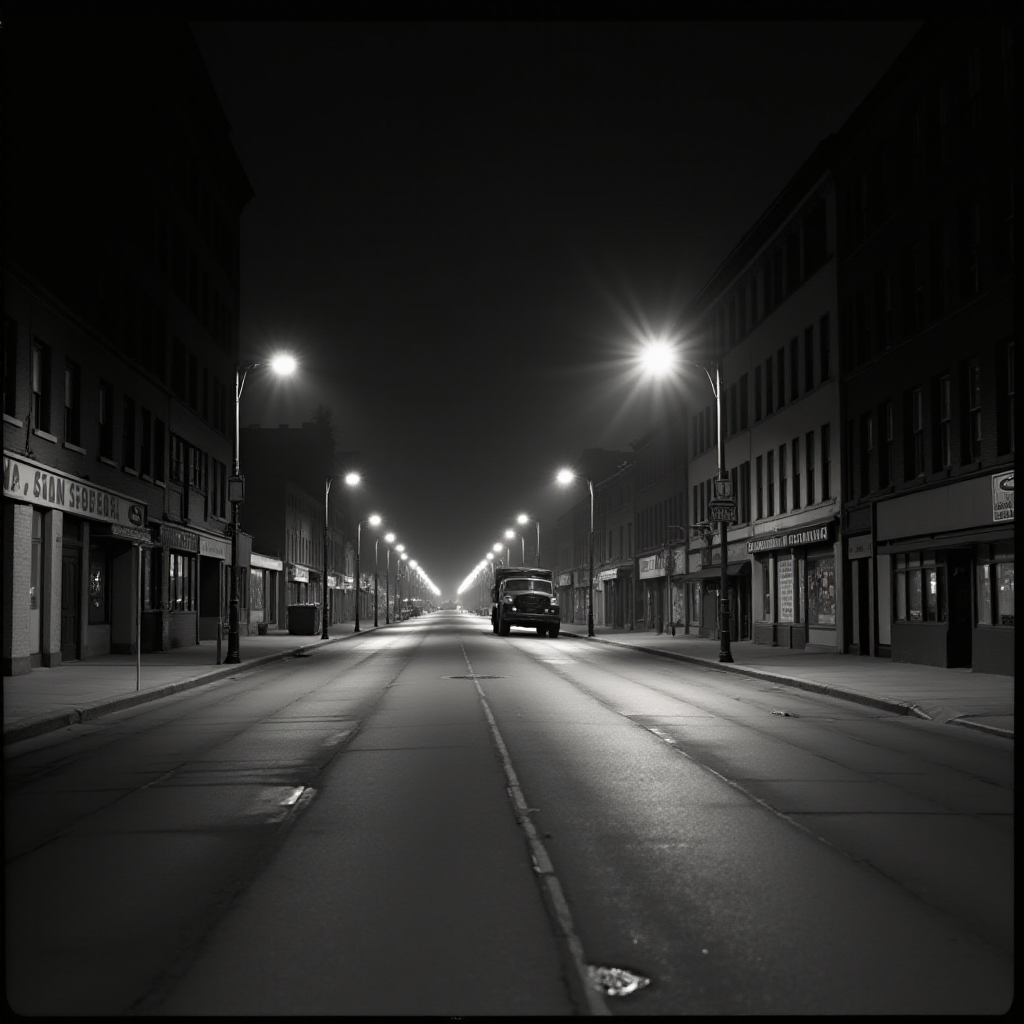
A curfew is the government telling you what time the music stops. Not what music. Not which musicians. What time. The curfew does not care about content. The curfew cares about the clock. The curfew says you can do whatever you want until ten o'clock and after ten o'clock you belong to us. The curfew is the clock with a gun.
Detroit in nineteen sixty-seven. The National Guard rolled tanks down Twelfth Street and the governor declared a curfew and for one week the city shut down at sundown. Nobody outside after dark. The city that invented the Motown sound went silent at eight in the evening because the state decided that silence was safer than whatever the people might do with their freedom after dark. The tanks were louder than any band I ever heard. The tanks played all night. The tanks did not observe the curfew.
Soweto under apartheid. No Black person outside after nine o'clock. The pass laws said where you could go during the day and the curfew said you could not go anywhere at night. The whole country was a prison with visiting hours. Miriam Makeba sang from exile because the curfew on her was permanent. Hugh Masekela played his trumpet from London and New York because the curfew on his music had no expiration date. South Africa silenced two of the greatest musicians on the continent and the musicians played louder from further away and the sound carried back across every border the curfew tried to enforce.
The jazz clubs in Harlem. The cabaret laws in New York City. You needed a cabaret card to perform in any venue that served alcohol. The police issued the cards. The police revoked the cards. Billie Holiday lost her cabaret card because of a drug conviction and could never play a New York club again. The greatest jazz singer in the world was banned from the stages of her own city because the curfew on her was not a time. The curfew on her was permanent. Thelonious Monk lost his card for three years. Charlie Parker lost his. The police decided who could play music in New York City and the police decided that the musicians who played the most dangerous music could not play at all.
I played after curfew in Detroit. Everybody played after curfew in Detroit. The Grande Ballroom did not close at midnight. The MC5 did not stop playing because somebody in an office decided that music was only safe before a certain hour. We played until the music was done and the music was never done because the music does not own a watch. The curfew assumes that time is dangerous. The curfew is correct. Time is dangerous. Every hour after midnight is an hour the state cannot account for. Every song played after curfew is a song the state did not approve.
The curfew is the oldest law. The word comes from the French. Couvre-feu. Cover the fire. In medieval towns the bell rang at night and you covered your fire and went to sleep because the lord of the town decided that fire after dark was dangerous. The fire was dangerous because the fire was light and the light meant you were awake and if you were awake you might think and if you thought you might act and if you acted the lord might lose his town. The curfew has always been about the fire. Cover the fire. Put out the light. Stop the music. Go to sleep. The curfew is the state saying the night belongs to us. The music is the people saying the night belongs to everybody.