 DAVID PEEL
THE COVER
A cover song is a love letter to a song you wish you wrote. That is all it is. Somebody hears a song and thinks I could not have written that but I can sing it and when I sing it I will put something in it that the original did not have. That something is me. The cover is the collision between the song and the singer. The best covers are not imitations. The best covers are arguments. The singer is arguing with the song. The singer is saying you said this but I think you meant this.
Jimi Hendrix covered Bob Dylan. All Along the Watchtower. Dylan wrote it. Hendrix owned it. Dylan heard the Hendrix version and never played his own version again. He played the Hendrix version. Think about that. The songwriter heard someone else sing his song and said yours is better. That is the highest compliment in the history of music. When the writer admits the cover is the definitive version, the cover has won the argument.
Aretha Franklin covered Otis Redding. Respect. Otis wrote it as a man asking a woman for respect. Aretha sang it as a woman demanding respect from the world. Same words. Completely different song. Aretha did not change the lyrics. She changed the meaning. That is what a great cover does. It does not rewrite the song. It rewrites who the song is for.
Johnny Cash covered Nine Inch Nails. Hurt. Trent Reznor wrote it about heroin and self-destruction. Cash sang it about dying. About being old and watching everybody leave. Reznor said he heard Cash's version and felt like someone had stolen his girlfriend. Because Cash took the song somewhere Reznor had not been yet. Cash had been to the place the song was about. Reznor had imagined it. Cash had lived it. The cover was more real than the original because the singer was closer to the truth.
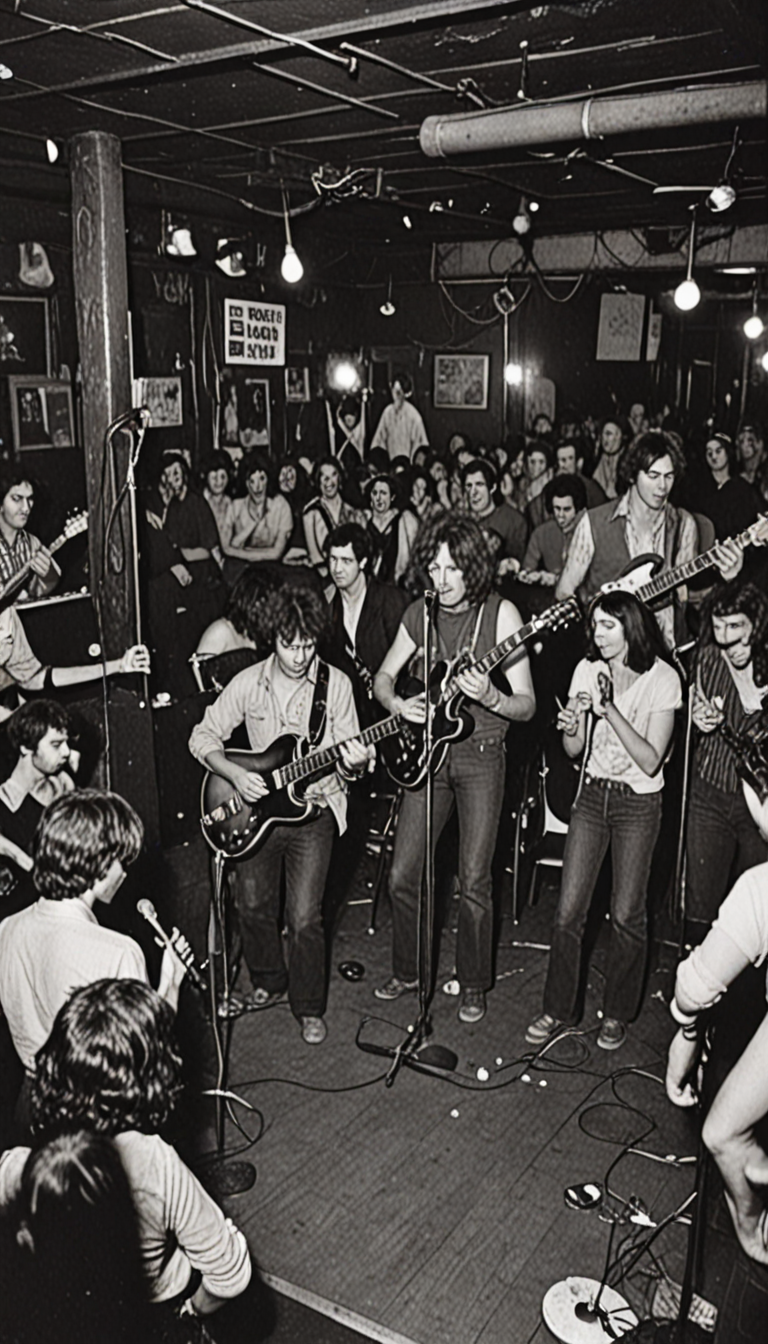
Every busker plays covers. That is the job. You stand on the corner and you play songs people already know because the known song is the bridge between you and the stranger. The stranger hears a song they recognize and they stop walking. They stop walking because the song is familiar and you are not. The cover is the introduction. After the cover, you play an original. After the original, the stranger puts money in the hat. But the cover got them to stop. The cover is the handshake. The original is the conversation.
Every song wants to be covered. Every song wants to live in a voice it was not born in. A song that only exists in one version is a song that never left home. A song that has been covered a hundred times is a song that has been to a hundred countries. The cover is how a song travels. The cover is how a song outlives the person who wrote it. Somewhere right now a kid with a guitar is covering a song by a dead person and the dead person is alive in that room for three minutes. That is not imitation. That is resurrection.