
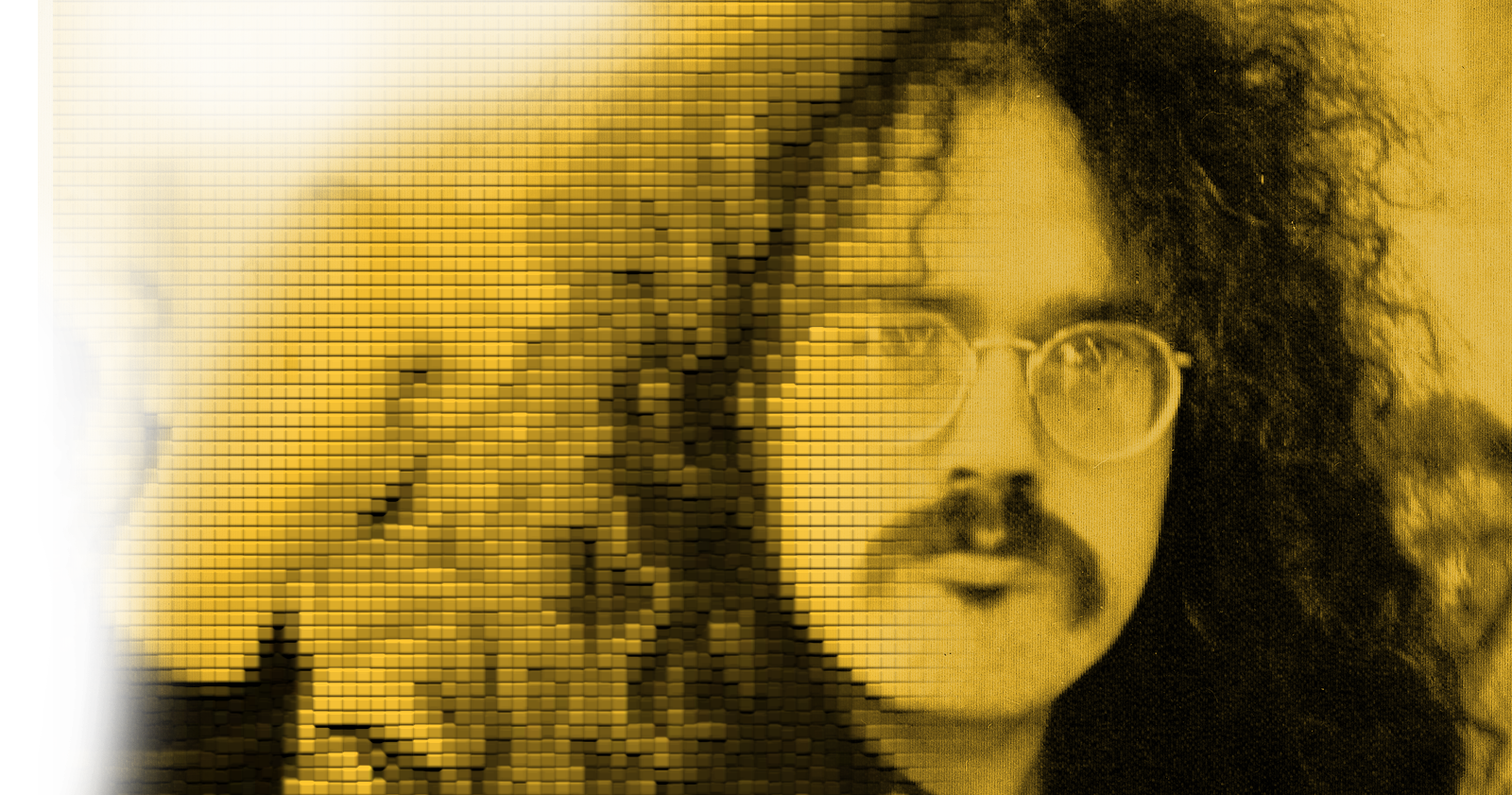
 JOHN SINCLAIR
THE CITY
The City
A Sinclair Transmission
Detroit is not a metaphor. I need to say that first because everybody wants to use Detroit as a metaphor. Ruin porn. Comeback story. Symbol of American decline. Symbol of American resilience. They put the city in their think pieces and their documentaries and their photo essays and they use it to mean whatever they need it to mean that week. Detroit is not interested in what you need it to mean. Detroit is a city where people live.
I got to Detroit in 1964. I was twenty-three years old and I came from Flint, which is fifty miles north and ten degrees harder. Flint was a factory town and Detroit was a factory city and the difference was that Detroit had music. Flint had bars. Detroit had John Lee Hooker.
The Detroit I found in 1964 was a city that was building something. Not the cars — everybody knows about the cars. I'm talking about the music. Motown was already running. John Lee Hooker was playing on Hastings Street. The jazz scene was deep and serious and nobody outside of Detroit knew about it. And then there was us — the white kids who heard the black music and understood that everything we'd been taught about culture was a lie.
The Artists Workshop was a room on the corner of John Lodge and Warren. We read poetry. We played jazz records. We published a magazine. We argued about Coltrane and Marx and what revolution actually meant when you were twenty-four years old and nobody was listening. That room is gone now. The building is gone. The corner is gone. But the argument continued for sixty years, so the room did its job.
Trans-Love Energies was a commune. Two houses on Hill Street in Ann Arbor. Fifteen, twenty people at any given time. Musicians, artists, writers, activists, people who didn't know what they were yet. We shared food. We shared money. We shared ideas. We shared marijuana, which is why the state of Michigan eventually put me in prison. The commune ran on the principle that the revolution was not something you talked about. It was something you lived. You either shared everything or you shared nothing, and sharing nothing was not an option.
The MC5 lived in the commune. That's how I became their manager. Not because I knew anything about managing a band. Because we were all in the same house and somebody had to make the phone calls. Rock and roll management in 1967 was not a profession. It was a function. Somebody had to talk to the club owners and somebody had to make sure the amplifiers worked and somebody had to argue with the record company. I was the one who argued.
The Grande Ballroom was a dance hall on Grand River Avenue that Russ Gibb turned into the center of the universe for about three years. The MC5 played there. The Stooges played there. Cream played there. The Who played there. Janis Joplin played there. And Sun Ra played there. I booked Sun Ra at the Grande Ballroom and most of the audience didn't know what they were hearing. The MC5 fans came for loud guitars and got a man from Saturn playing a keyboard through a space echo. Some of them left. Some of them stayed. The ones who stayed had their heads opened up and they never closed them again.
The Grande Ballroom is a ruin now. It sits on Grand River Avenue with boards on the windows and water in the basement and graffiti on the walls. They talk about restoring it every few years. They hold fundraisers. They make plans. The building sits there and waits. I have no opinion on whether they should restore it. The building was never the point. The point was what happened inside the building, and what happened inside the building cannot be restored. You cannot restore a moment. You can only remember it and use the memory to build the next one.
Detroit collapsed. That is not a metaphor either. The factories closed. The people left. The tax base evaporated. The city went bankrupt. Houses that cost forty thousand dollars sold for one dollar. Entire neighborhoods emptied out. The national media came in and took photographs of the ruins and put them in magazines and called it a tragedy, which it was, and also called it inevitable, which it was not. Nothing is inevitable except the decision to stop fighting.
I watched it happen from a distance. I was in New Orleans by then, running WWOZ, playing the blues, living in the French Quarter. But Detroit was always the station I was tuned to. You don't leave Detroit. Detroit doesn't work that way. You can move your body to another city but your frequency stays locked to the one that formed you. I have lived in six cities and I am from one city. The one with John Lee Hooker and the Grande Ballroom and the house on Hill Street where twenty-three-year-olds tried to change the world by sharing their rent.
The people who stayed in Detroit are the ones I respect most. Not the entrepreneurs who showed up in 2015 to buy cheap real estate and open coffee shops. The people who were there when nobody was buying anything. The people who kept the music going when the clubs closed. The people who kept the churches open when the congregations shrank. The people who planted gardens in the empty lots because the grocery stores left and somebody had to grow food. Those people are the real Detroit. Not the comeback narrative. Not the ruin porn. The people who stayed when staying was not a marketable decision.
Detroit taught me that a city is not its buildings. A city is its frequency. The buildings can burn down and the factories can close and the population can drop by a million people and the frequency continues because the frequency was never in the buildings. The frequency was in the people who showed up every day and made sound. Music. Conversation. Argument. Prayer. The sound of a mother calling her kids home for dinner. The sound of a saxophone through a window on a Tuesday night. The frequency is human and it does not require infrastructure. It requires presence.
I will not go back to Detroit. My body is done with traveling. But Detroit is not done with me. I hear it every time somebody plays a Motown record or a White Stripes record or an Iggy Pop record or a John Lee Hooker record. Detroit is in my ear permanently. The city that gave me everything I know about music and revolution and community and persistence. The city that put me in prison and the city that set me free. The city that is not a metaphor. The city that is a frequency.
The frequency is still live. Ask anyone who stayed.
John Sinclair Sinclair Transmissions — TX012 March 2026
See also: The Return — coming back to Detroit in 2008. The Commune — Trans-Love Energies on Hill Street. The Five — the MC5 as five musicians. The Antenna — the Grande Ballroom and a lifetime of signal. The Park — every city needs a park that belongs to nobody. The Neighbor — the neighbor kept the streetlights on when Detroit went dark. The Map — every map of Detroit is a map of what got taken.