 DAVID PEEL
THE CASSETTE
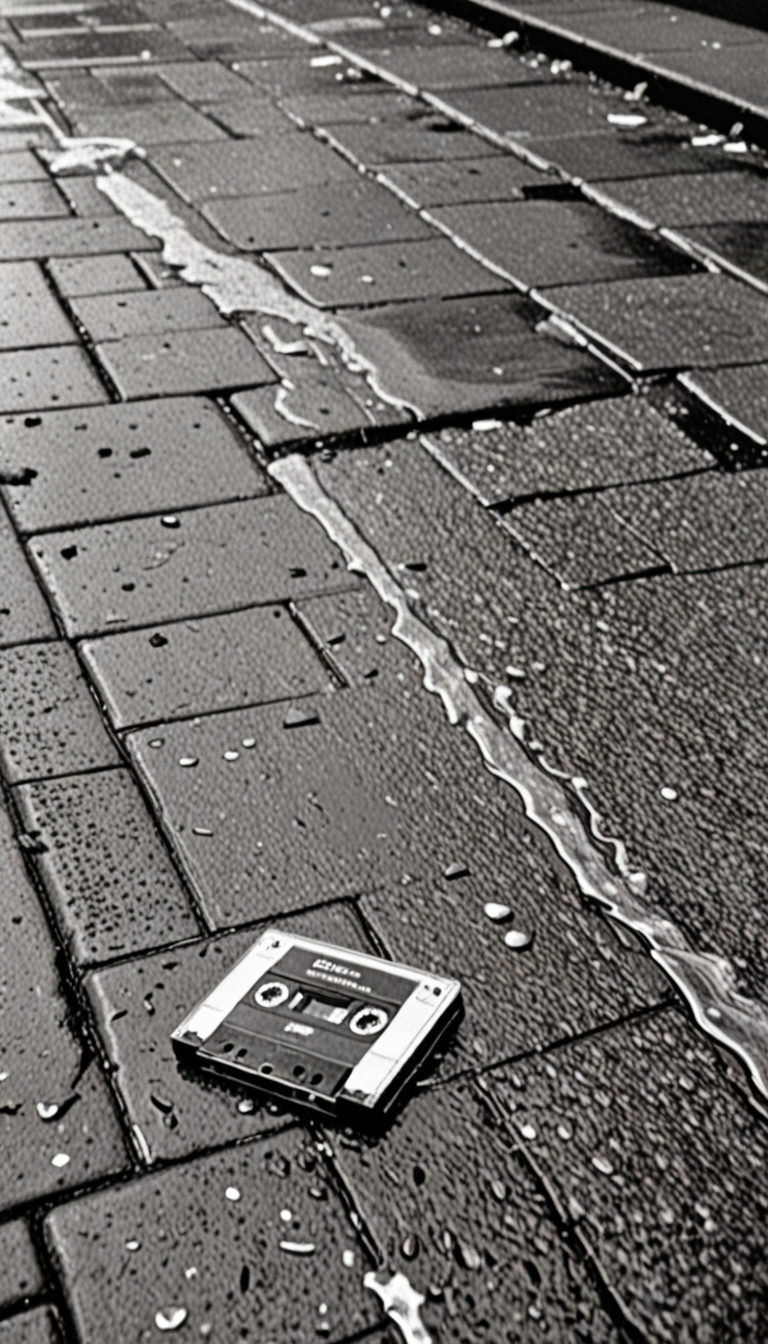
The cassette tape is the most democratic format in the history of recorded music. A cassette cost ninety cents. A blank cassette. You could record anything on it. You could record your band. You could record the radio. You could record yourself talking into the microphone at three in the morning because you had an idea and there was no other way to save it. The cassette did not judge you. The cassette just recorded.
The record companies hated the cassette. They said home taping is killing music. They put a skull and crossbones on it. They were right that home taping was killing something but it was not music. It was killing their monopoly. Because before the cassette if you wanted to hear a song you had to buy it from them. After the cassette you could get it from a friend. You could get it from the radio. You could get it from the guy on the corner selling bootlegs out of a cardboard box. The cassette turned every person with a tape deck into a record label.
The Grateful Dead understood the cassette. They let people tape every show. They did not fight it. They encouraged it. And it made them the biggest touring band in America. Because every cassette was an advertisement that cost them nothing. Every kid with a Dead tape in his car was a promoter who did not know he was promoting. The cassette was the first viral medium and nobody used the word viral because it was nineteen seventy-five.
The punk scene lived on cassettes. Black Flag mailed cassettes across the country. Minor Threat put out demos on cassette. You could not get punk on the radio so you got it on a tape from a friend who got it from a friend who got it from someone who was at the show. The cassette was punk's distribution system. No record deal required. No radio play required. Just a tape and a stamp and an envelope. That was the whole supply chain.
I recorded everything on cassettes. Every idea. Every half-finished song. Every argument with the landlord. I have boxes of cassettes in a closet and every one of them is a day I would have lost without the tape. The cassette is a time machine that costs ninety cents. You press record and you save a moment. You press play and the moment comes back. No other technology has ever done that for ninety cents. The phone does it now for free but the phone does not have the hiss. The hiss is the sound of time passing. The hiss is the cassette telling you this happened and it is gone and all you have left is this tape. That is not a limitation. That is poetry.