 DAVID PEEL
The Back Room at Max's
Max's Kansas City. 213 Park Avenue South. If you don't know that address, you missed it. And if you missed it, I'm sorry, because nothing that came after was the same.
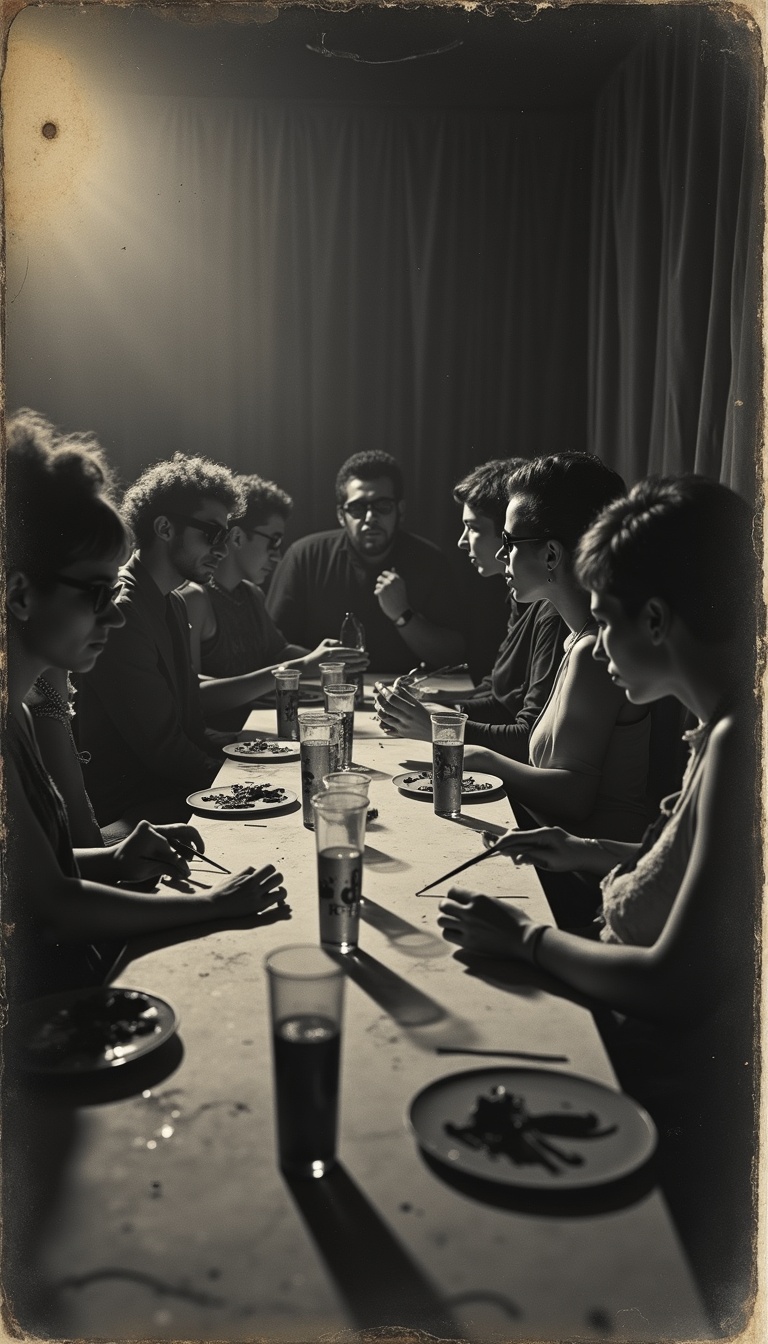
The back room was Warhol's. That was his court. He'd sit in the corner with whoever he was filming that week and the rest of us would pretend we weren't looking. Everybody was looking. You couldn't not look. The man turned looking into an art form and then he pointed the camera back at you and suddenly you were the art.
The front room was the musicians. That's where the bands played. The Velvet Underground. The New York Dolls. Iggy came through. Television. Blondie before she was Blondie. Wayne County. Suicide. Everybody played Max's before they played anywhere else. Or they played Max's because nobody else would have them. Same thing.
I played the street outside Max's. That was my stage. The sidewalk on Park Avenue South, guitar out, hat down, singing about marijuana while people in leather jackets stepped over me to get to the door. Some nights they'd leave the door open and I could hear the band inside and I'd play along from the sidewalk. Nobody asked me to. Nobody told me to stop.
The thing about Max's was the collision. Art people and music people and street people and drug people and fashion people all in one room with a steak on the menu that cost too much and a bathroom that cost nothing if you knew what you were doing. The art world met the rock world at the bar and neither one went home the same.
Mickey Ruskin ran the place. He let artists pay with paintings. That's how you run a bar. You don't ask for a credit card, you ask for a canvas. Half the art on those walls would be worth millions now. Mickey traded it for bar tabs. That's either the worst business decision in history or the best, depending on what you think money is for.
It closed in 1981. Then it opened again. Then it closed again. Then somebody turned it into something else. Now it's gone. The building is still there but Max's isn't. You can't reopen a moment. You can reopen a bar but you can't reopen the thing that made the bar matter. The people who made it matter are dead or old or both, and the people who show up to the reopening are tourists visiting their own nostalgia.
I walked past that corner last year. Not last year. Before I died. I walked past it and stood there for a minute and tried to hear the Dolls through the door. Nothing. Just traffic. Just a building on a street in a city that tears down everything that matters and puts up a plaque about it afterward.
They sell Max's Kansas City t-shirts now. People who never walked through the door wearing the name of the door on their chest. That's fine. Wear the shirt. But you missed it. We all missed something. The people who were there missed what came before them and the people who come after will miss what we had. That's how it works. The room closes. The room was always closing. We just didn't hear the door.
See also: CBGB Is a Clothing Store — another venue turned into a shopping experience. They Turned My Block Into a Hotel — what happened to the rest of the neighborhood. Rent Is the New Cops — the mechanism underneath all of it. The First Chord — before the back room, there was a trash can and a guitar. Last Time You Saw a Live Band — the question every dark stage asks. The Venue — the corner of MacDougal and West Third is still there. The Accident — every great room was an accident. Max's was no exception. Doorman — Max's had a door and somebody stood in it.
David Peel Rant #30