 DAVID PEEL
Awning
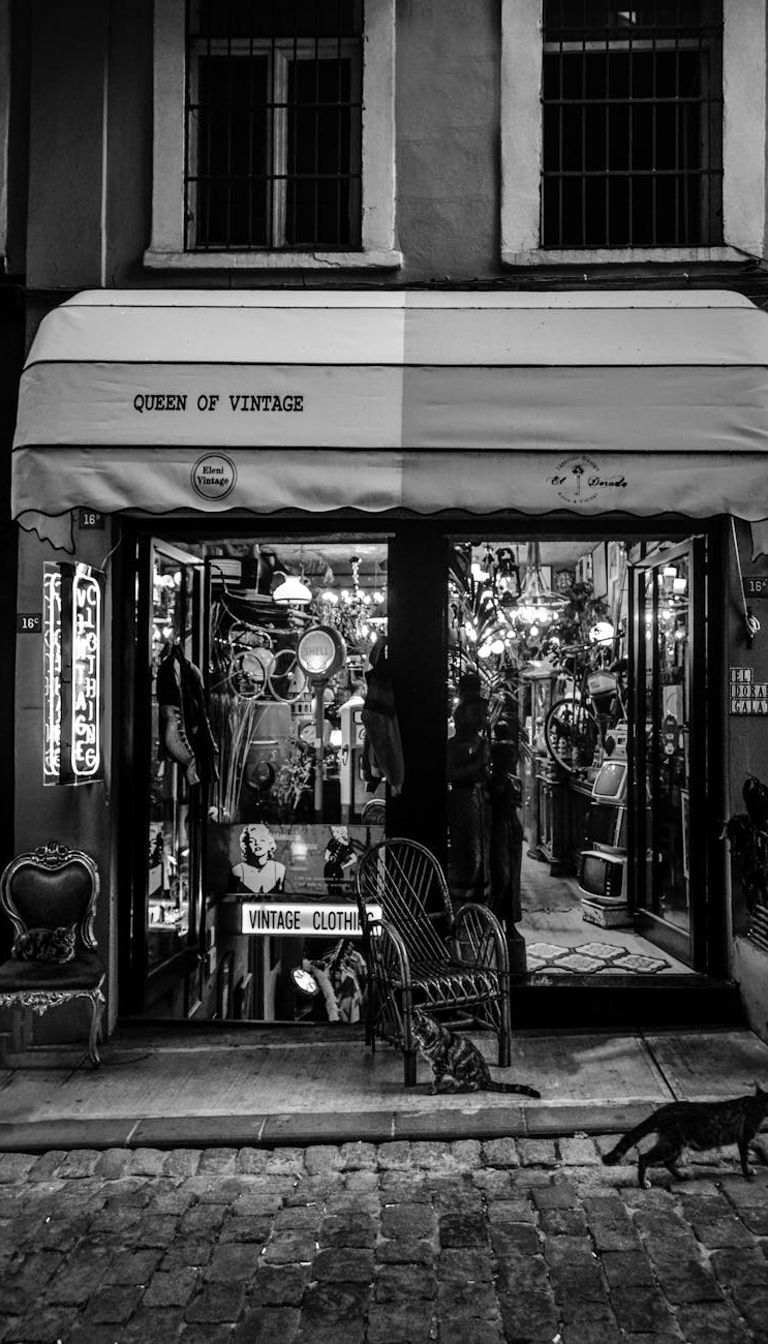
The awning was the roof of the sidewalk. Every store had one and the awning told you what the store sold before you read the sign. The green awning was the grocer. The red awning was the butcher. The striped awning was the barbershop. The awning was the uniform of the street. It told you where you were without looking up.
When it rained the awning became the most important architecture on the block. People stood under the awning who would never have stood next to each other. The banker and the busker. The mother with the stroller and the man who slept in the doorway. The awning was the most democratic roof in the city. It did not check your credit. It did not ask how long you were staying. It just kept you dry.
The awning man came twice a year. Spring to put them up and fall to take them down. He had a truck with a ladder and he bolted the frame to the building and stretched the canvas tight and the awning went up and the sidewalk had a ceiling again. The awning man was a seasonal worker and he worked two months a year and the rest of the year the awnings worked without him.
I played guitar under an awning on St. Marks Place in a rainstorm in 1968. The rain was coming down hard and the people ducked under the awning and they could not leave because of the rain so they had to listen. The awning turned a rainstorm into a concert. The audience was captive. Not because I was good. Because it was raining. The awning was my booking agent.
The awnings are retractable now. They roll up into the building with a motor. The old awnings stayed out. They faded in the sun and the rain stained them and the pigeons sat on them and the canvas ripped and the store owner patched it with duct tape. The old awning told you the history of the weather. The new awning tells you nothing. It rolls up and disappears like it was never there.
See also: Candy Store, Barber Shop