 JOHN SINCLAIR
SODA FOUNTAIN
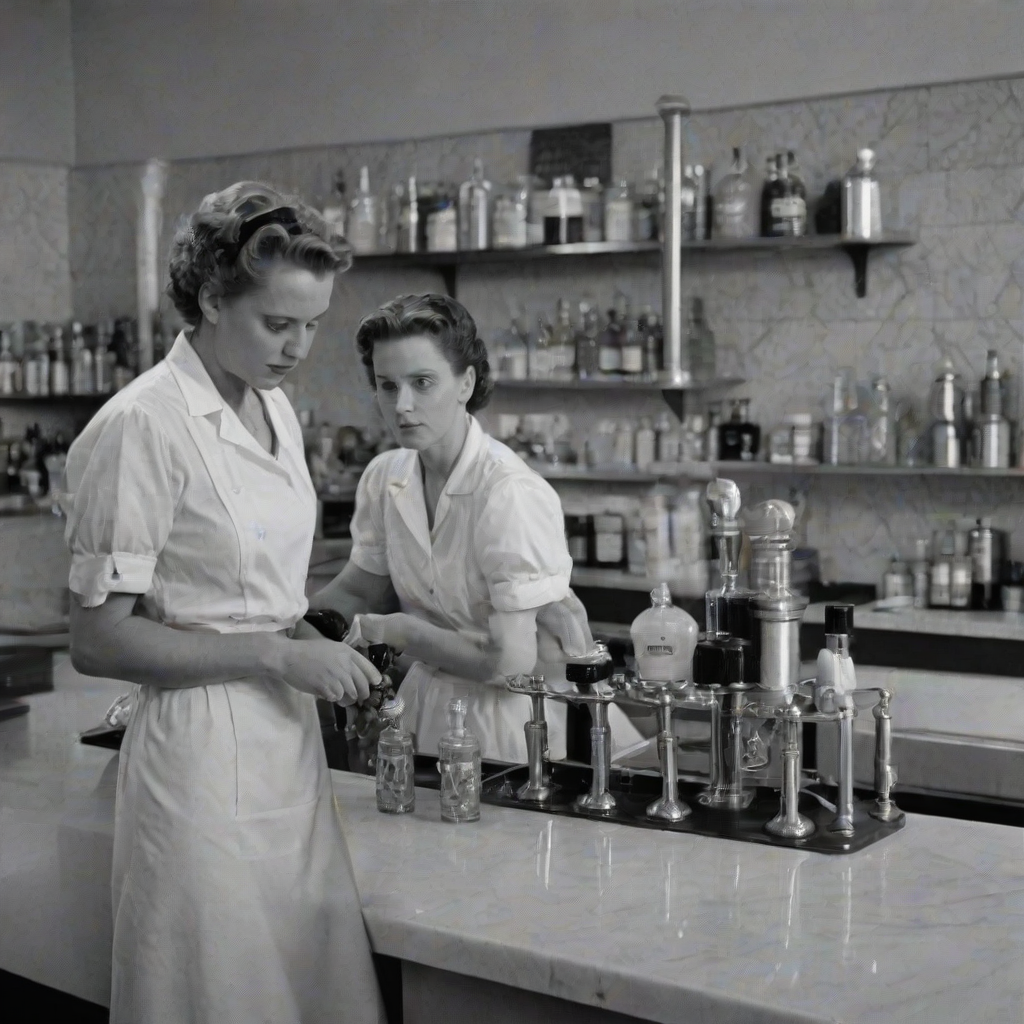
The soda fountain was a pharmacy that became a theater. The pharmacist mixed carbonated water with flavored syrups and the mixing was a performance and the performance was the reason you sat at the counter instead of buying a bottle from the shelf. You could buy a bottle. The bottle was cheaper. But the bottle did not have a man in a white coat pulling a lever and the lever released the carbonated water and the water hit the syrup and the syrup swirled and the swirling was the show. The soda fountain was the first American business to understand that the preparation is part of the product. The drink you watched being made tasted better than the drink you opened yourself and the difference was not chemical. The difference was attention. Someone made this for you. Someone stood three feet away and made this for you and the three feet was the intimacy and the intimacy was worth the extra nickel.
John Matthews of New York City began manufacturing soda water apparatus in eighteen thirty two and Matthews is called the father of the American soda fountain and the title is accurate. Matthews built the machines that carbonated the water and the machines were marble and brass and the marble was imported from Italy and the brass was polished daily and the machines looked like altars because the machines were altars. The soda fountain was where America worshipped sugar. The worship was not hidden. The worship was public and proud and the cathedrals of the worship were the marble counters in the drugstores of every town in the country. By nineteen hundred there were more soda fountains in America than there were bars. The soda fountain was the bar for people who did not drink and the people who did not drink needed a place to gather and the fountain was the place and the gathering was the reason the fountain survived Prohibition and two world wars and the Depression.
The ice cream soda was invented by accident in Philadelphia in eighteen seventy four when Robert McCay Green ran out of cream for his flavored drinks and substituted ice cream and the substitution was the most profitable accident in American food history. The sundae followed. The sundae was invented in multiple cities simultaneously in the eighteen nineties because the sundae was inevitable. When you have ice cream and syrup and a counter and a spoon the sundae assembles itself. The name came from Sunday because the sundae was sold on Sundays when blue laws prohibited the sale of soda water and the pharmacist needed a loophole and the loophole was removing the soda water and serving the syrup over ice cream instead. The spelling changed from Sunday to sundae because the clergy objected to naming a dessert after the Sabbath and the objection was satisfied by changing one letter and the changed letter is the most American compromise in the history of food. Change the spelling. Keep the sin.
The soda jerk was the bartender of the drugstore. The name came from the jerking motion required to pull the draft arm that dispensed the soda water and the jerking was rhythmic and the rhythm was the jerk's signature. A good soda jerk could make three drinks at once and talk to two customers and wipe the counter between orders and the multitasking was the craft. The soda jerk knew your name and your order and the knowing was the same knowing that the Good Humor man had and the barber had and the hardware store man had. The knowing was the currency of every small American business that has since been replaced by a screen and a number. The soda jerk was usually a teenager and the job was a teenager's first introduction to the public and the public was demanding and the demanding was the education. The soda jerk learned that the customer who complains the most tips the least and the customer who says nothing tips the most and the lesson was worth more than the hourly wage.
The soda fountain disappeared from the American drugstore between nineteen fifty and nineteen seventy. The chain drugstores did not want the fountains because the fountains required labor and labor was expensive and the floor space was worth more as retail than as restaurant. The fountain was replaced by the greeting card aisle. The greeting card aisle generates more revenue per square foot than a soda fountain and the revenue per square foot is the only metric that the chain drugstore understands. The last soda fountains survive in the independent pharmacies in the small towns where the pharmacist is also the owner and the owner remembers what the fountain meant. The fountain meant the teenager came in after school and sat at the counter and drank a cherry phosphate and talked to the pharmacist about nothing and the nothing was everything. The nothing was the practice of being in a room with an adult who was not a parent and not a teacher and the adult treated the teenager like a customer and the customer is a person with money and a person with money is a person with agency and the agency was the point. The soda fountain gave teenagers their first taste of independence and the taste was cherry flavored and cost a dime and the dime bought more freedom than a hundred dollars buys today.