 DAVID PEEL
Slate Roof
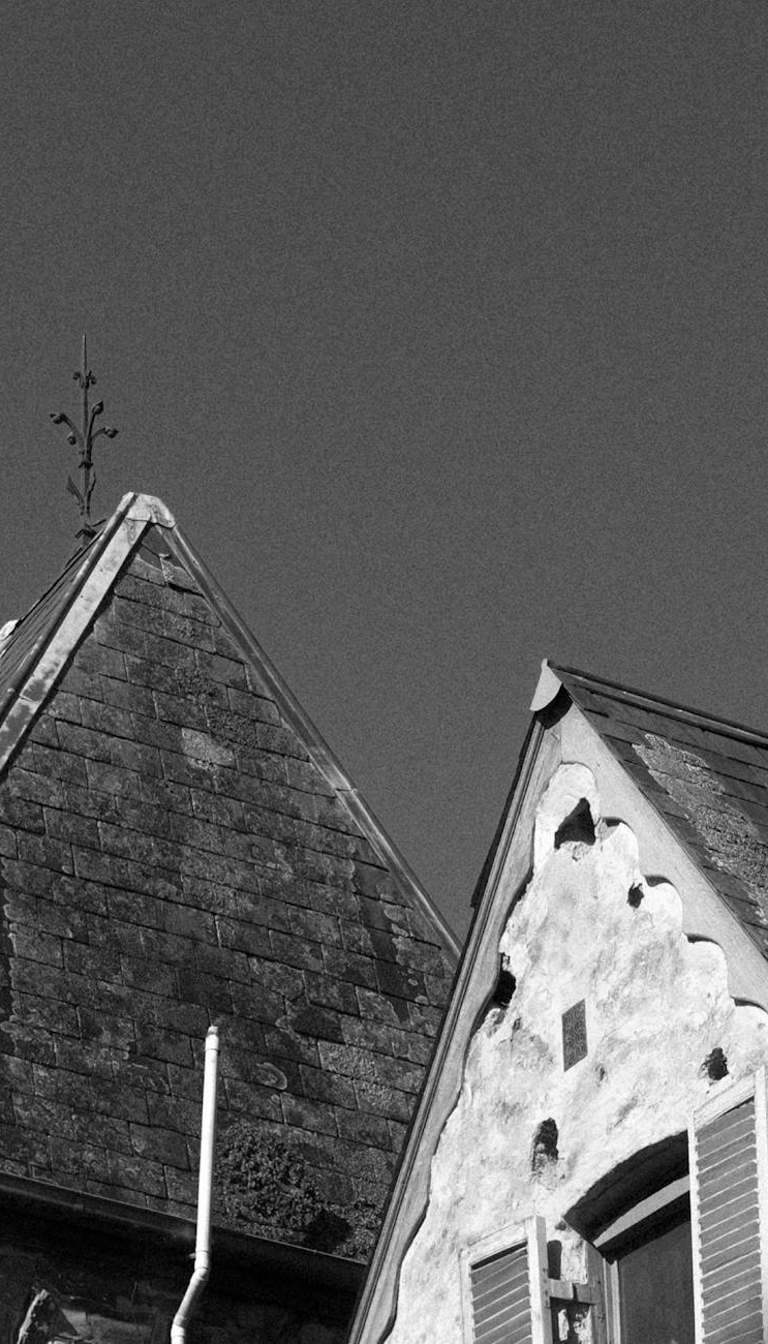
The slate roof was quarried from the ground and laid on the roof one tile at a time. Each tile was a piece of mountain. The slate roof weighed ten tons and the building held it and the building did not complain. The slate roof was the oldest material on the newest building. The slate was three hundred million years old. The building was three years old. The roof was older than the dinosaurs.
The slater worked on his knees. He cut the slate with a hammer and a chisel and each tile fit against the next tile like a scale on a fish. The slater was the last roofer who worked with stone. Every other roofer works with chemicals. The slater worked with the earth. He put the mountain back on top of the building.
A slate roof lasted a hundred years. The shingle roof lasts twenty. The slate roof outlasted the family that paid for it. The slate roof outlasted the neighborhood. The brownstone on West Tenth Street has its original slate roof from 1872. A hundred and fifty years. Five generations of rain. The slate does not care about generations. The slate was already old when they quarried it.
When a slate tile broke you heard it slide off the roof and shatter on the sidewalk. The sound was sharp and final. Like a plate dropped in a kitchen. The neighbors looked up and saw the gap in the roof and the gap meant the rain was coming in and the rain meant the ceiling was staining and the stain meant the landlord had to call the slater. One broken tile. One cascade of consequences. The slate roof was a lesson in cause and effect.
They do not make slate roofs anymore. Too heavy. Too expensive. Too slow. The contractor wants something he can nail on in a day and the architect wants something that comes in a color and the homeowner wants something cheap. The slate roof was none of these things. The slate roof was permanent. Nobody wants permanent anymore. Everybody wants replaceable. The slate knew the difference.
See also: Roof Tar, Chimney Pot