 DAVID PEEL
Shoe Shine Stand
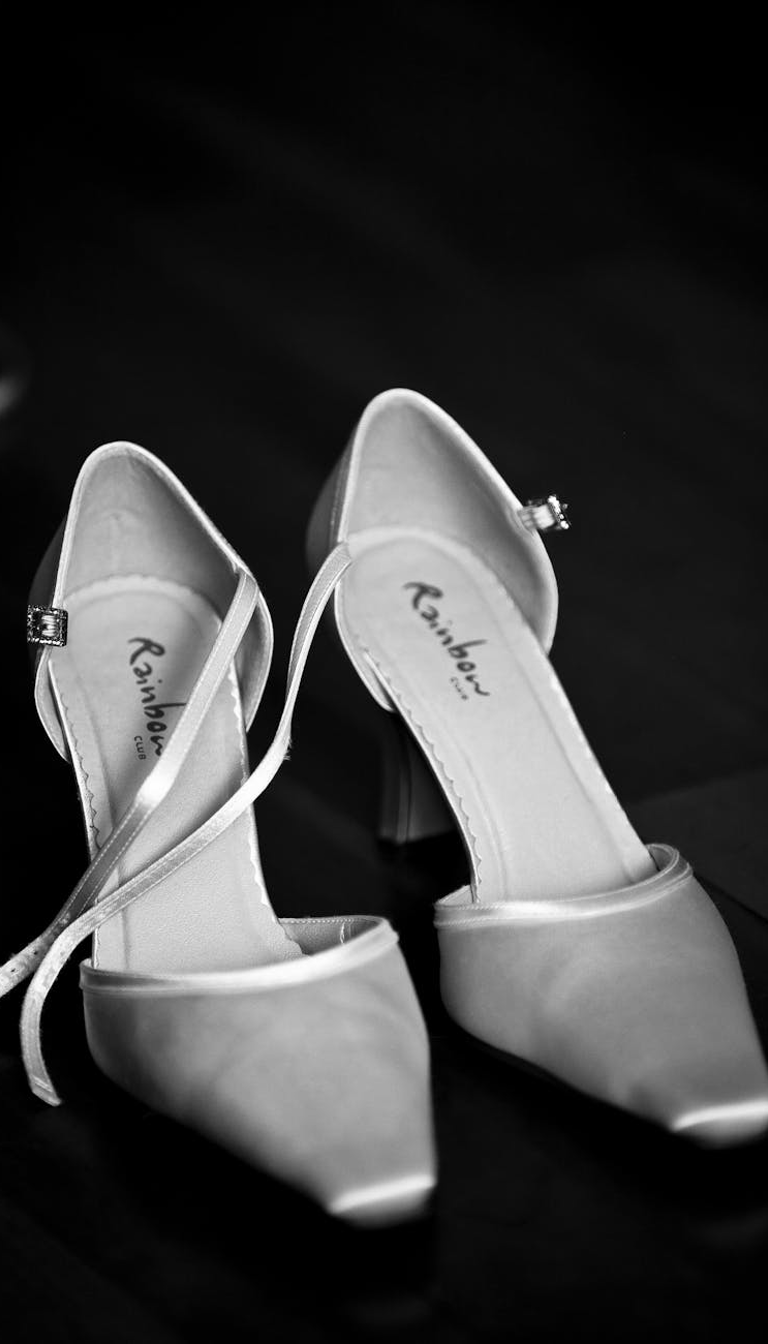
The shoe shine stand was a throne. You sat up high on a chair with brass footrests and a man knelt down and made your shoes beautiful. That was the transaction. You paid a quarter and a man gave your shoes back to you better than you gave them to him. The shoe shine was the cheapest dignity in the city.
The shoe shine man had a kit. The brushes and the polish and the rags and the wooden box that held everything. The box was the office. The chair was the showroom. The rag was the instrument. The shoe shine man snapped the rag on the shoe and the snap was the signature. Every shoe shine man had a different snap. The snap told you how long he had been doing this. A new man popped the rag. An old man cracked it like a whip.
Penn Station had shoe shine stands in the main hall. Grand Central had them near the clock. The shoe shine stand was always near the trains because the trains brought the men with the dirty shoes and the dirty shoes brought the quarters. The shoe shine stand was an ecosystem. The commuter needed the shine. The shine needed the commuter. The station needed both of them to look like a place where people cared about appearances.
I got my shoes shined at Penn Station in 1969 before a meeting with a record label. The man looked at my shoes and looked at me and said these shoes have not been shined in their life. He was right. He spent ten minutes on them and they looked like somebody else's shoes. I did not get the record deal. But the shoes were perfect. The shoe shine man did his job. The record label did not do theirs.
The shoe shine stands are gone. The shoes are sneakers now and you do not shine a sneaker. The sneaker does not need a man with a rag. The sneaker needs a box and a receipt and a resale value. The shoe shine was a service. The sneaker is a commodity. The shoe shine man knew your shoes. The sneaker store knows your size. Those are different kinds of knowledge.
See also: Elevator Operator, Subway Musician