 DAVID PEEL
Shingle
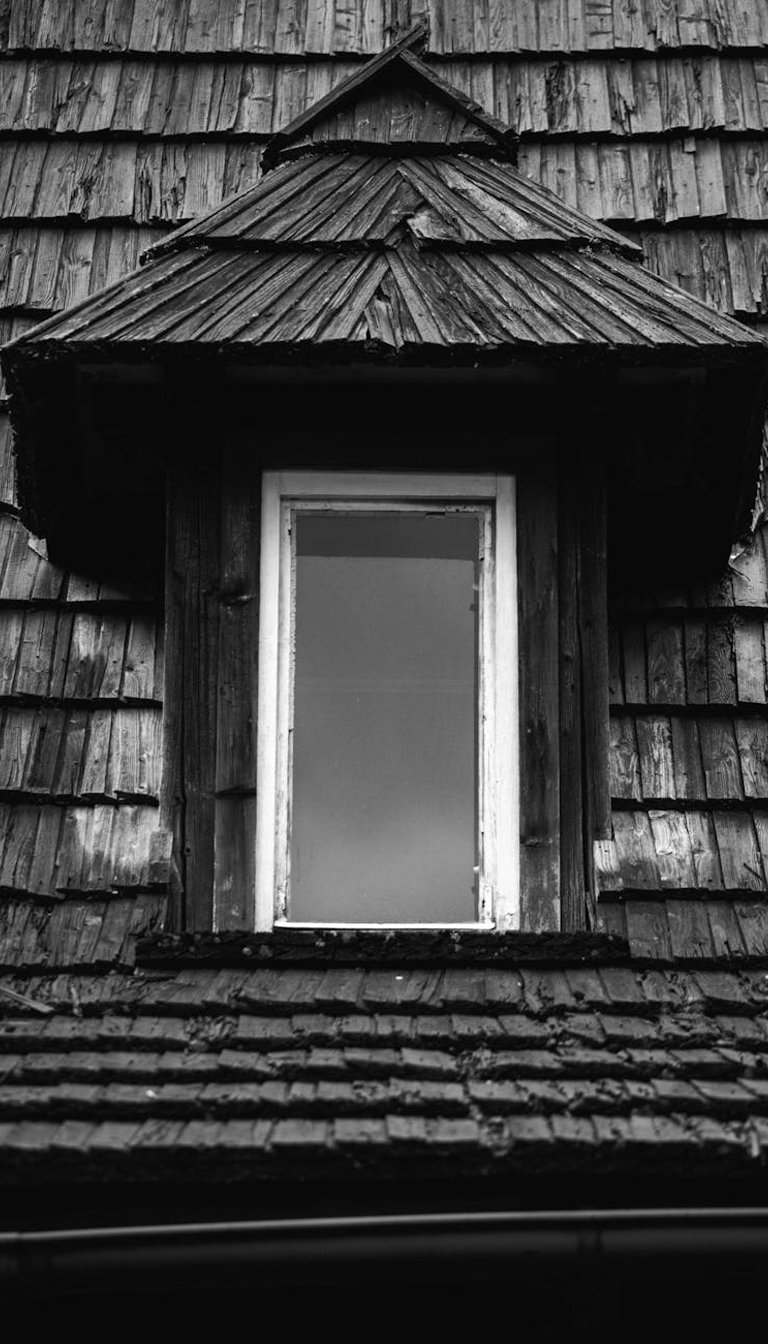
The shingle was a thin piece of wood nailed to the roof. Cedar or cypress or oak split thin and nailed in rows from the bottom up. Each row overlapped the row below and the overlap was three layers deep. Three chances for the rain to stop before it reached the wood underneath. The shingle was the roof's first argument with the sky. The sky said water. The shingle said no.
The shingle was split with a froe. A blade and a mallet and a block of cedar and in one stroke the cedar split along the grain and the split face was rough and the rough face shed water faster than a smooth face because the rough face broke the surface tension. The froe knew what the sawmill forgot. A rough surface is better than a smooth surface when the job is keeping water out. The machine makes things smooth. Nature makes things that work.
The shingle turned gray. New cedar shingles were golden and in five years they were silver and in twenty years they were gray and the gray was the color of a roof that had earned its keep. A gray shingle roof on a white clapboard house was the most beautiful combination in American architecture and nobody designed it. The sun designed it. The rain designed it. The wind designed it. The architect just picked the materials and let the weather do the rest.
You replaced shingles one at a time. That was the beauty of it. A shingle cracked and you pulled it out and slid a new one in and the roof healed itself one shingle at a time. The roof was a quilt and every shingle was a patch and the patches were the history of every storm the roof had survived. You could read the roof. The dark shingles were old. The light shingles were new. The roof was a timeline nailed to the building.
They use asphalt shingles now. Tar and fiberglass pressed into a sheet and cut into tabs. The asphalt shingle costs a quarter of what cedar costs and lasts half as long. The asphalt shingle does not turn gray. The asphalt shingle turns black and curls at the edges and blows off in a hurricane. The cedar shingle held on because the cedar shingle was nailed by a man who climbed the roof. The asphalt shingle is stapled by a gun. The gun does not know the wind. The man did.