 DAVID PEEL
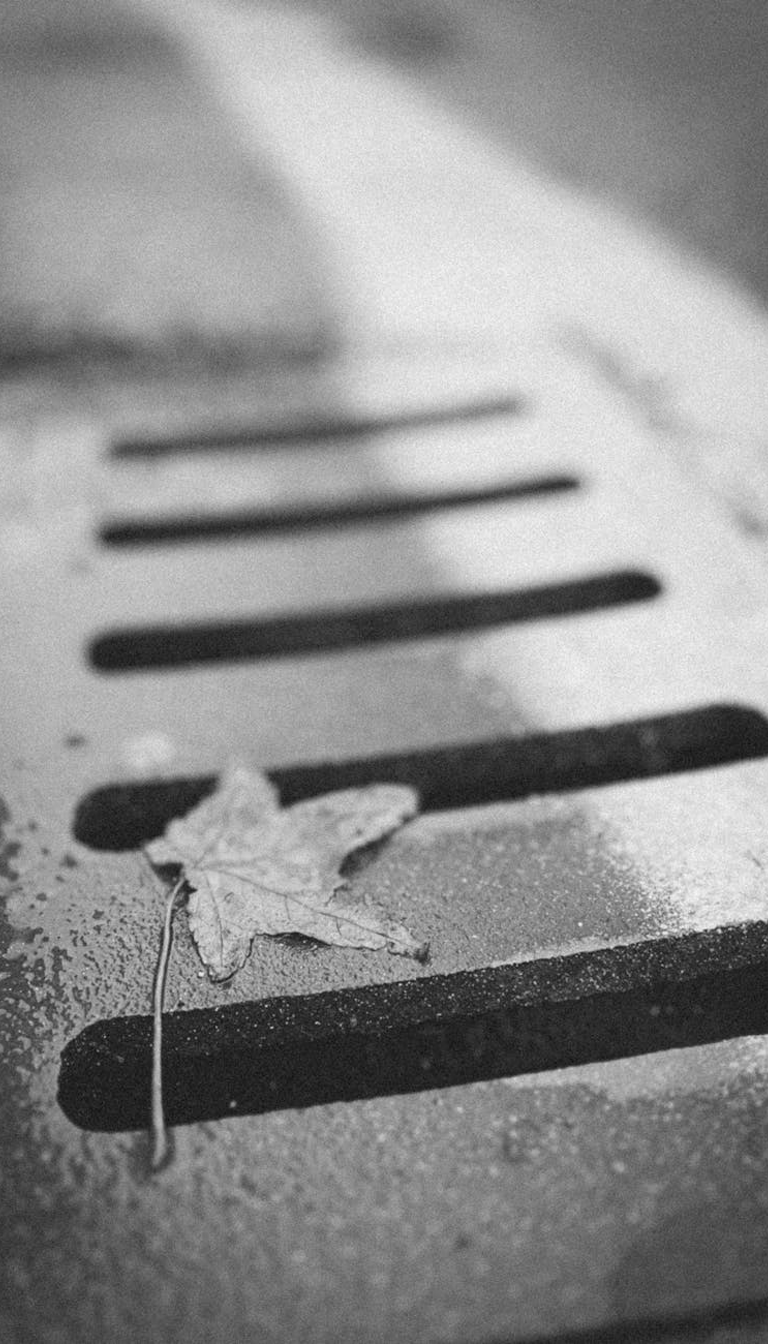
Sewer Grate
The sewer grate was the city's drain. Cast iron. Rectangular. Set into the curb at the corner of every block. The rain fell on the street and the water ran along the gutter and the sewer grate swallowed it. The sewer grate was the mouth of the underground. The city above was clean because the city below ate the mess.
You dropped things down the sewer grate. Everybody did. A marble. A quarter. A set of keys. A kid on my block dropped his father's watch down the sewer grate on Avenue B and his father beat him and the watch sat in the sewer pipe for the rest of time. The sewer grate collected the losses of the neighborhood. Somewhere under Second Avenue is a museum of everything the city fumbled.
The steam came up through the sewer grate in winter. Hot white steam that rose out of the iron and hung in the air like a ghost getting dressed. The steam was the city breathing. The pipes underneath were hot and the cold air above was not and the difference between them was visible. You could stand over a sewer grate on a January morning and feel the heat come up through your shoes and you were standing on the city's exhale.
Marilyn Monroe stood on a sewer grate and the wind blew her dress up and the photograph became the most famous image in the history of New York. That was not a sewer grate. That was a subway grate on Lexington Avenue. But the point is the same. The thing under the street had more power than the person standing on it. The grate decided what went up and what went down.
The sewer grate does not get a plaque. The sewer grate does not get a landmark designation. The sewer grate is the most useful object on the street and it is the least celebrated. Every rainstorm proves it works. Every dry sidewalk is evidence. The sewer grate asks for nothing. The sewer grate gets nothing. That is the deal.
See also: Subway Grate, Manhole Cover