 JOHN SINCLAIR
SAVINGS BANK
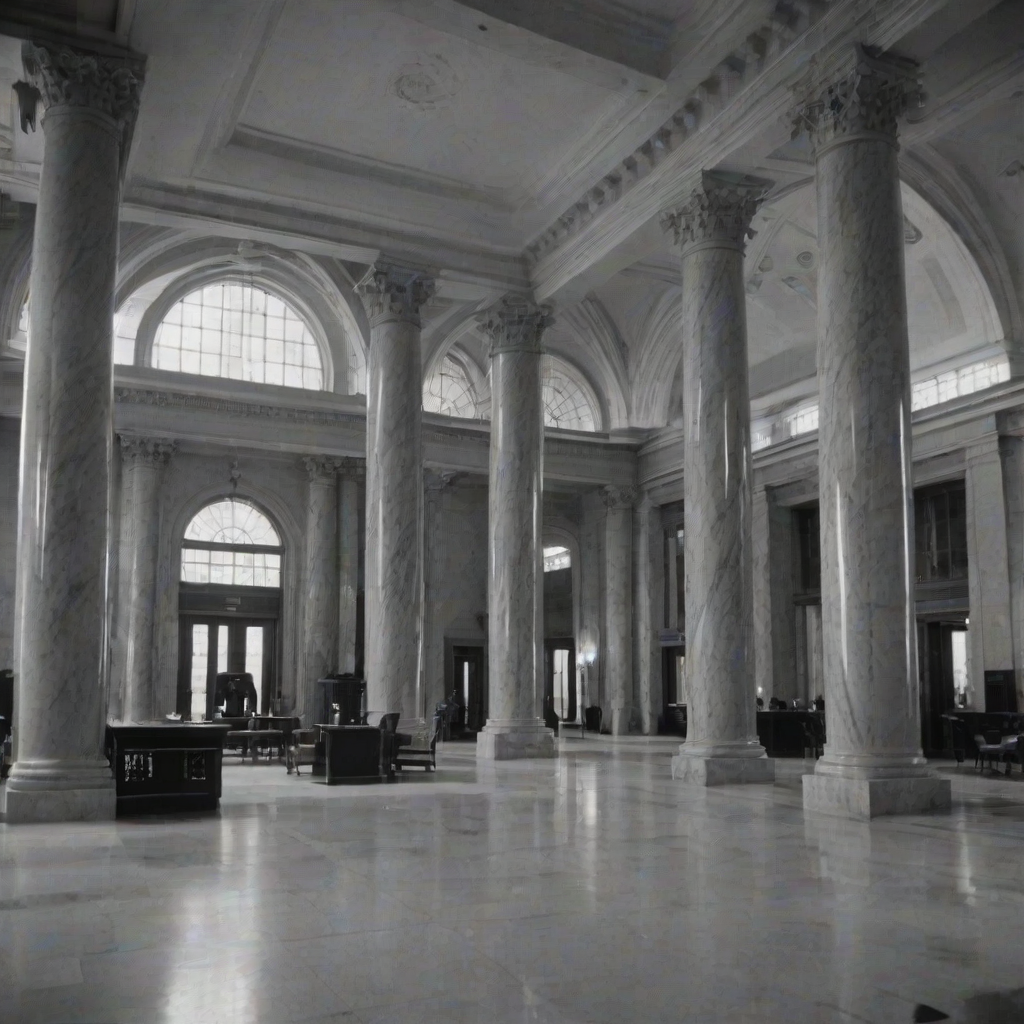
You walked in and the lobby was marble and the marble was the message. The message was that your twelve dollars was safe here and the safe here was the promise that the savings bank made to people who had never been promised anything by any institution that had a lobby. The savings bank had teller windows with brass bars and the brass bars were not to keep you out. The brass bars were to keep your money in and the keeping your money in was the security that the mattress could not provide. The savings bank gave you a passbook and the passbook was the record and the record was that every deposit and every withdrawal was written in ink by a human hand and the writing in ink by a human hand was the contract between you and the institution and the contract said we are watching your money and the watching is our job.
The mutual savings bank was invented in Scotland in eighteen ten by the Reverend Henry Duncan in Ruthwell and the inventing by a minister was not a coincidence because the savings bank was a moral institution before it was a financial one. Duncan believed that poverty was caused not by a lack of money but by a lack of a place to put money and the lack of a place to put money was the problem that the savings bank solved. The Provident Institution for Savings opened in Boston in eighteen sixteen and was the first savings bank in America. The Philadelphia Saving Fund Society opened in eighteen nineteen and the building it eventually constructed on Market Street in nineteen thirty two was the first International Style skyscraper in the United States and the first International Style skyscraper was the statement that saving money was modern and the modern was the architecture telling the depositor that the future belongs to people who save. By eighteen fifty there were over two hundred mutual savings banks in America and the two hundred held the deposits of people who worked in factories and shops and did not have a banker and had never had a banker and had never imagined they would need a building with a marble lobby to hold their twelve dollars.
The savings bank taught America the habit of accumulation. The Christmas Club was invented by the savings bank and the Christmas Club was the agreement that you would deposit fifty cents a week for fifty weeks and the bank would give you twenty five dollars in December and the twenty five dollars in December was the discipline and the discipline was the gift. The school savings program brought the bank to the classroom and the bringing of the bank to the classroom was the education and the education was that a child who deposits a nickel every Friday learns that time converts small amounts into larger amounts and the converting of small amounts into larger amounts is the lesson that no other institution taught for free. The savings bank paid interest and the paying of interest was the miracle because the miracle was that your money made money while you slept and the making money while you slept was the magic that turned the working class into a class that had something to lose and the having something to lose was the conservatism that the savings bank created without intending to.
The lobby was the room where the working person stood in the same marble that the rich person stood in. The Bowery Savings Bank in New York opened its main branch on Forty Second Street in nineteen twenty three and the lobby was sixty five feet high and had a mosaic floor and limestone columns and the sixty five feet high was the cathedral and the cathedral was for deposits. The Williamsburgh Savings Bank tower in Brooklyn was five hundred and twelve feet tall and was the tallest building in Brooklyn for eighty years and the tallest building in Brooklyn being a savings bank was the statement that the institution that held the deposits of immigrants and longshoremen and schoolteachers deserved a tower and the deserving a tower was the dignity. The bank clock on the corner was the clock that the neighborhood set its watches by and the setting watches by the bank clock was the trust and the trust was that the bank kept accurate time and the keeping accurate time was the metaphor for keeping accurate money.
The savings bank is vanishing. The mutual savings bank that existed to serve depositors and had no shareholders and paid no dividends has been converted or merged or acquired. There were five hundred and fifteen mutual savings banks in nineteen seventy. There are fewer than four hundred today. The passbook is gone. The teller who wrote your balance in ink is gone. The Christmas Club is gone. The school savings program is gone. The lobby is still marble in the buildings that survive but the buildings that survive have been converted to event spaces or condominiums or restaurants and the conversion to restaurants is the irony because the building that was designed to hold your twelve dollars now holds your twelve dollar cocktail. But the savings bank understood something about ordinary people that America is forgetting which is that the person who deposits twelve dollars deserves a marble lobby and a brass teller window and a passbook written in ink and the deserving a marble lobby is not a privilege. The deserving a marble lobby is the respect and the respect is what the savings bank gave to everyone who walked through the door with money they had earned and wanted to keep and the wanting to keep is still the oldest financial instinct and the oldest financial instinct still deserves a building that says your twelve dollars is safe here.