 DAVID PEEL
Roof Garden
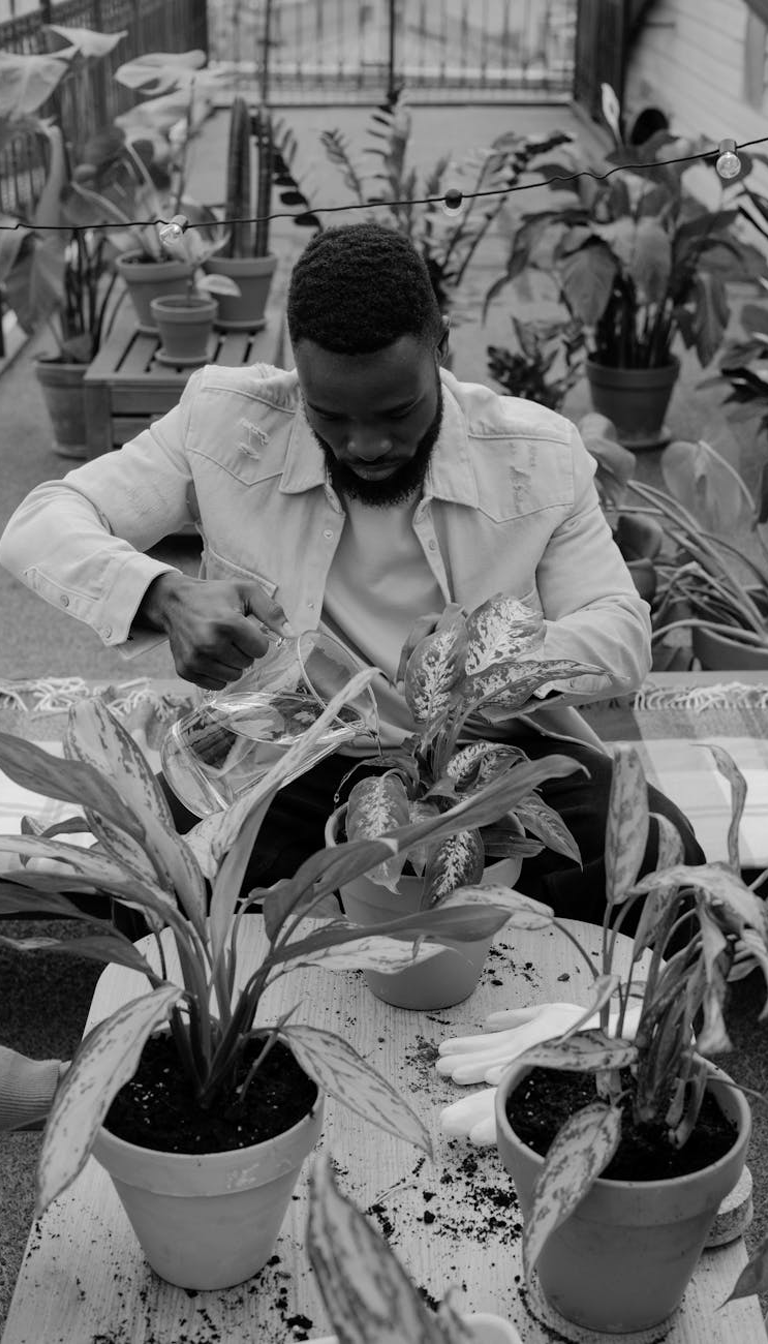
The roof garden was not a garden. It was a collection of coffee cans with tomato plants in them on the roof of a tenement on the Lower East Side. The woman who tended it was from Calabria and she had been growing tomatoes in coffee cans since she arrived in 1953 and she would not eat a tomato from a store because she said store tomatoes taste like cardboard and she was right. The roof garden was an act of defiance against the city's opinion that poor people do not deserve fresh food.
The roof gardens had a system. The Puerto Rican women grew peppers and cilantro. The Italian women grew tomatoes and basil. The Chinese women grew bok choy and scallions. The roof of a tenement building held every cuisine in the neighborhood in coffee cans and plastic buckets and the soil was compost from the kitchen mixed with dirt from the vacant lot across the street. Nobody bought soil. Soil was free if you knew where to dig. The roof garden was the most resourceful farm in the world.
The pigeons ate the seeds. That was the war. The woman with the tomatoes versus the man with the pigeons. Both on the same roof. Both claiming the same territory. The pigeon man said the pigeons were here first. The tomato woman said the tomatoes are food. The pigeon man said so are the pigeons. Nobody ate the pigeons. But the argument lasted every summer and the pigeons kept eating the seeds and the woman kept replanting and that is what a neighborhood is. Two people who cannot agree sharing the same roof and making it work.
I ate a tomato from a roof garden on East Fifth Street in August of 1970 and it was the best tomato I have ever eaten. It tasted like the sun had been trapped in the skin. The woman who grew it handed it to me and said eat it right now. Do not take it home. Do not put it in a salad. Eat it right now on the roof with the salt she kept in a jar next to the watering can. I ate it and the juice ran down my chin and she nodded like I had passed a test. The test was appreciating what she made. The test was being present with a tomato.
The community gardens are on the ground now. The city gave lots and the lots became gardens and the gardens have fences and schedules and waiting lists. The roof garden had no fence. No schedule. No waiting list. You carried a coffee can to the roof and you grew whatever you wanted and nobody told you where to put it. The community garden is organized. The roof garden was anarchic. The tomato does not know the difference. But the woman who grew it does.
See also: Pigeon Coop, Tar Beach