 JOHN SINCLAIR
ROLLER RINK
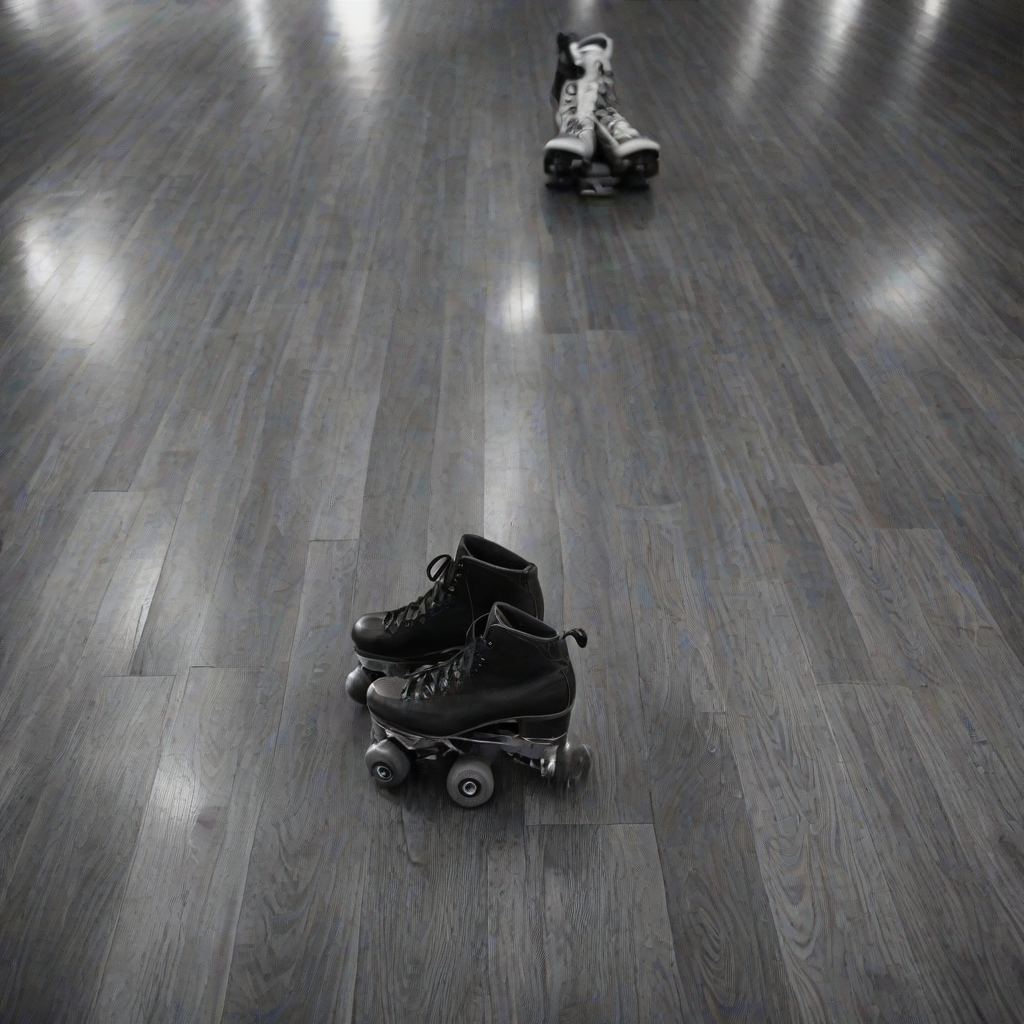
The roller rink was a dance floor on wheels. You paid your money and they gave you skates and the skates were not yours but the feeling was. The feeling was movement without destination. You were not going anywhere. You were going in circles and the circles were the point. James Leonard Plimpton of Medford Massachusetts invented the quad roller skate in eighteen sixty three and the quad skate had four wheels in a two by two arrangement and the arrangement let you turn by leaning and the turning changed everything. Before Plimpton you could only go straight. After Plimpton you could dance. He opened the first public roller rink in Newport Rhode Island in eighteen sixty six in a hotel dining room and the floor was maple and the wheels were boxwood and the admission was for the upper class because Plimpton wanted roller skating to be respectable. It did not stay respectable. It became popular and popular and respectable are not the same thing in America.
The rink had its own weather. You walked in from the street and the air changed. The air inside the rink was cooler and it smelled like wood polish and rubber wheels and sweat and popcorn from the snack bar and the combination was specific. You could not mistake it for any other place. The floor was hardwood and the hardwood was maintained like a church floor because the surface was the product. A rough floor meant falls and falls meant lawsuits and lawsuits meant closure. The rink operator was in the floor business. The skates were the delivery mechanism. The floor was the thing. A good maple floor in a roller rink could last forty years if you sanded it every spring and sealed it every fall and kept the humidity between forty and sixty percent. The rink operator knew the humidity the way a farmer knows the soil. The floor was alive. The floor expanded and contracted and the operator listened to it and adjusted.
The organ was the heartbeat of the rink. Not a recording. Not a DJ. A pipe organ or a Hammond or a Wurlitzer played by a person who watched the skaters and matched the tempo to the speed of the floor. When the skaters were warming up the organ played slow. When the floor was full the organ played fast. When the lights went down for couples skate the organ played something sweet and the couples found each other and the singles cleared the floor and stood at the rail and watched and the watching was part of the experience. The organ player was the conductor of a symphony where the instruments were wheels. The great rink organists were celebrities in their buildings. They played six nights a week and they knew every regular by name and they dedicated songs and they controlled the mood of three hundred people on wheels with their hands and feet and the power was enormous and invisible. When the rinks replaced the organs with recorded music the skating continued but the conversation stopped. The organ player was talking to the skaters. The recorded music was talking to no one.
The roller rink was the most democratic dance floor in America. You did not need a partner to walk in. You did not need to know how to dance. You needed to stand up and lean forward and the wheels did the rest. The rink mixed ages that did not mix anywhere else. The twelve year old and the forty year old skated the same circle at the same time to the same music. The birthday party kids crossed paths with the Wednesday night regulars and the regulars wore their own skates which were broken in and beautiful and the difference between rental skates and owned skates was the difference between a tourist and a resident. The resident knew the floor. The resident knew where the dead spot was near the south wall. The resident knew the speed of the corner and the best line through the turn and the resident skated backward without looking because the resident trusted the circle. The circle was always the same. The circle was the only constant in a world that would not stop changing.
There were four thousand roller rinks in America in nineteen eighty. There are fewer than a thousand today. The rinks closed for the same reason the drive-ins closed and the bowling alleys closed and the dance halls closed. The land was worth more empty than full. The owner retired and the children sold the building and the building became a church or a furniture warehouse or a parking lot and the floor that someone spent forty years maintaining was torn up in an afternoon. But you cannot tear up what the floor meant. The floor meant you showed up and you moved and you moved with other people and the movement was the community. You did not join anything. You did not sign up. You paid three dollars and you skated for two hours and you left and you came back next Friday and the same people were there and after enough Fridays they were not strangers anymore. The roller rink did not ask you to be good. The roller rink asked you to keep moving. Keep moving and eventually you will find the rhythm. Keep moving and eventually you will stop falling. Keep moving and the circle will carry you.