 DAVID PEEL
Ridgepole
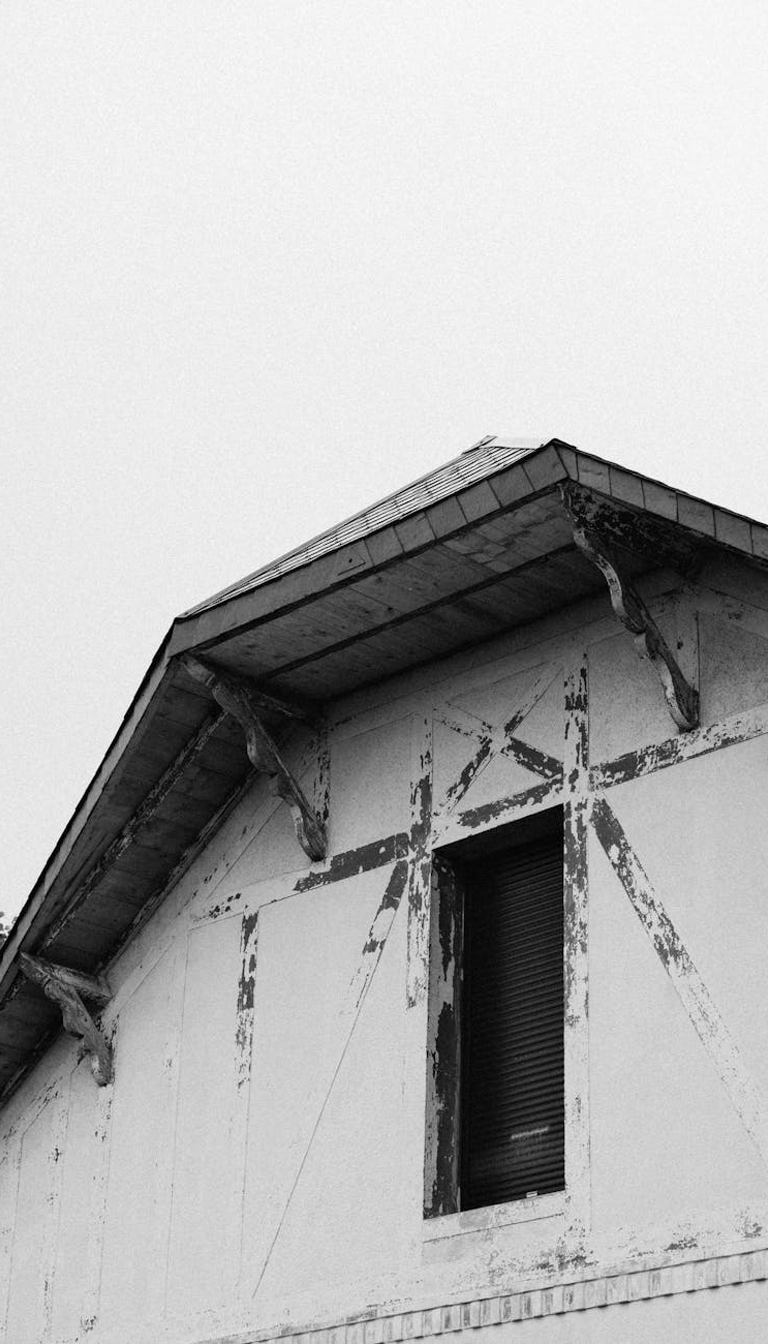
The ridgepole was the beam at the top of the roof. The spine. The highest piece of lumber in the building running from one end to the other at the peak where the two slopes met. Every rafter leaned against the ridgepole and the ridgepole held them all. The ridgepole was the building's backbone. Take out the ridgepole and the roof falls like a tent without a pole.
The ridgepole went up in a ceremony. When the framers raised the ridgepole the building was topped out. They nailed a tree branch or a flag to the ridgepole and the whole crew stopped and somebody brought beer. The topping out ceremony was as old as the Norse. You celebrated the ridgepole because the ridgepole meant the building had a skeleton. Everything after the ridgepole was skin. The drywall. The siding. The shingles. But the skeleton was done and the skeleton was the building.
The ridgepole was one piece. In a small house the ridgepole ran the length of the building in a single beam. No joints. No splices. One tree gave one beam and one beam held the whole roof. Finding a tree straight enough and long enough for a ridgepole was the first job. The tree was the ridgepole before the carpenter touched it. The carpenter just removed everything that was not a beam. Michelangelo said the same thing about marble.
The ridgepole sagged in the center. On old buildings the ridgepole bowed under a century of snow load and the roofline dipped in the middle like a hammock. The sag was the building's posture. An old building with a sagging ridgepole was an old building that had been through a thousand storms and was still standing. The sag was not failure. The sag was experience. A perfectly straight ridgepole means the building is young. A sagging ridgepole means the building has lived.
They use ridge beams now. Engineered lumber. Laminated veneer. Glue and chips pressed into a beam that will never sag and never bow and never tell you how old the building is. The engineered ridge beam is a product of calculation. The old ridgepole was a product of selection. The carpenter walked into the forest and chose the tree. The engineer opens a catalog and orders a size. The catalog does not know the forest. The carpenter did.