 JOHN SINCLAIR
RECORD STORE
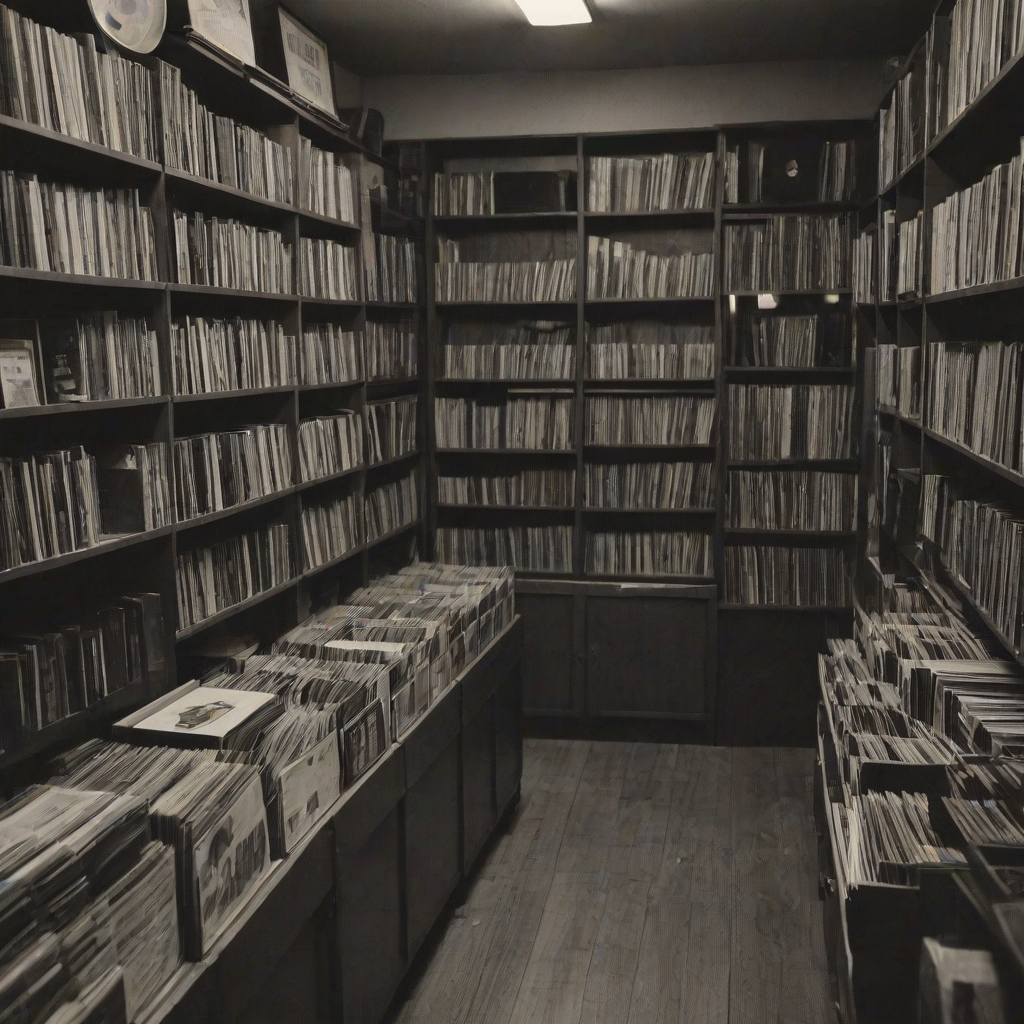
The record store was a library that let you touch the books. The bins were alphabetical and the alphabetical was the democracy. Coltrane was three fingers from Cash and Cash was two fingers from the Chambers Brothers and the proximity was the education. You went in looking for one thing and came out carrying three things you did not know existed and the not knowing was the point. The record store was the only room in America where ignorance was an asset. The less you knew the more you could discover and the discovering was physical. Your fingers did the walking and the walking was through cardboard and plastic and the cardboard and plastic contained entire lives.
The bins were wooden and the wood was scratched from forty years of fingernails dragging across divider cards. The divider cards had letters on them written in marker by someone who worked at the store in nineteen seventy-three and the marker had faded but the letters were still legible because the alphabet does not fade. A is still A. Z is still Z. The letters outlasted the person who wrote them and the outlasting was the record store's relationship to time. Everything in the store was from another time. The new releases were on the wall and the wall was the present. The bins were the past. The past was deeper than the present and the depth was measurable in inches. The jazz section was fourteen inches deep. The rock section was thirty inches deep. The blues section was nine inches deep and the nine inches contained more history than the thirty inches and the containing was not about volume. The containing was about density.
You could stand in a record store for two hours and nobody asked you to buy anything. The standing was permitted because the standing was the business model. The person who stood for two hours bought one record and came back next week and stood for two more hours and bought another record and the coming back was the profit. The record store did not sell records. The record store sold return visits. The return visit was built on the standing and the standing was built on the bins and the bins were built on the alphabet and the alphabet was free.
The listening station had headphones and the headphones were large and padded and the padding was shared by every ear that had worn them since the store opened. You put the headphones on and the outside world disappeared and the disappearing was the audition. You were auditioning the record and the record was auditioning you. The record did not care if you bought it. The record had already been pressed and the pressing was permanent. The record would wait in the bin for the next person. The waiting was the record's patience and the patience was infinite because vinyl does not expire. A record pressed in nineteen fifty-six sounds the same in two thousand twenty-six and the sounding is the medium's promise. The promise is that the music will outlast the store that sold it and the promise has been kept.
The man behind the counter knew more about music than any professor at any university and the knowing was not academic. The knowing was accumulated. The man behind the counter had listened to every record in the store at least once and most of them more than once and the listening was his credentials. You asked him what sounds like Coltrane but is not Coltrane and he pulled a record from a bin without looking at the divider cards because his fingers knew the alphabet by feel and the feeling was expertise. He handed you Pharoah Sanders or Joe Henderson or Archie Shepp and the handing was a recommendation and the recommendation was free and the free was the economy of knowledge. The man behind the counter gave knowledge away because the giving created customers and the customers sustained the giving and the cycle was the store.
The record store is not gone. The record store returned. The vinyl revival brought the bins back and the bins brought the standing back and the standing brought the conversation back. But the conversation is different now. The conversation in the old record store was between strangers who shared a bin. The conversation in the new record store is between people who already know what they want and the knowing eliminates the discovering and the discovering was the whole thing. You do not discover Pharoah Sanders in a store where you already searched for Pharoah Sanders on your phone in the parking lot. The phone is the enemy of the bin. The bin requires ignorance and the phone eliminates ignorance and the eliminating is not the same as the educating. The education was in the fingers. The fingers walked. The phone scrolls. The scrolling is not the same as the walking. The walking required commitment. One record at a time. One cardboard sleeve at a time. One life at a time, filed between the life before it and the life after it, alphabetically, democratically, permanently.