 DAVID PEEL
Radiator
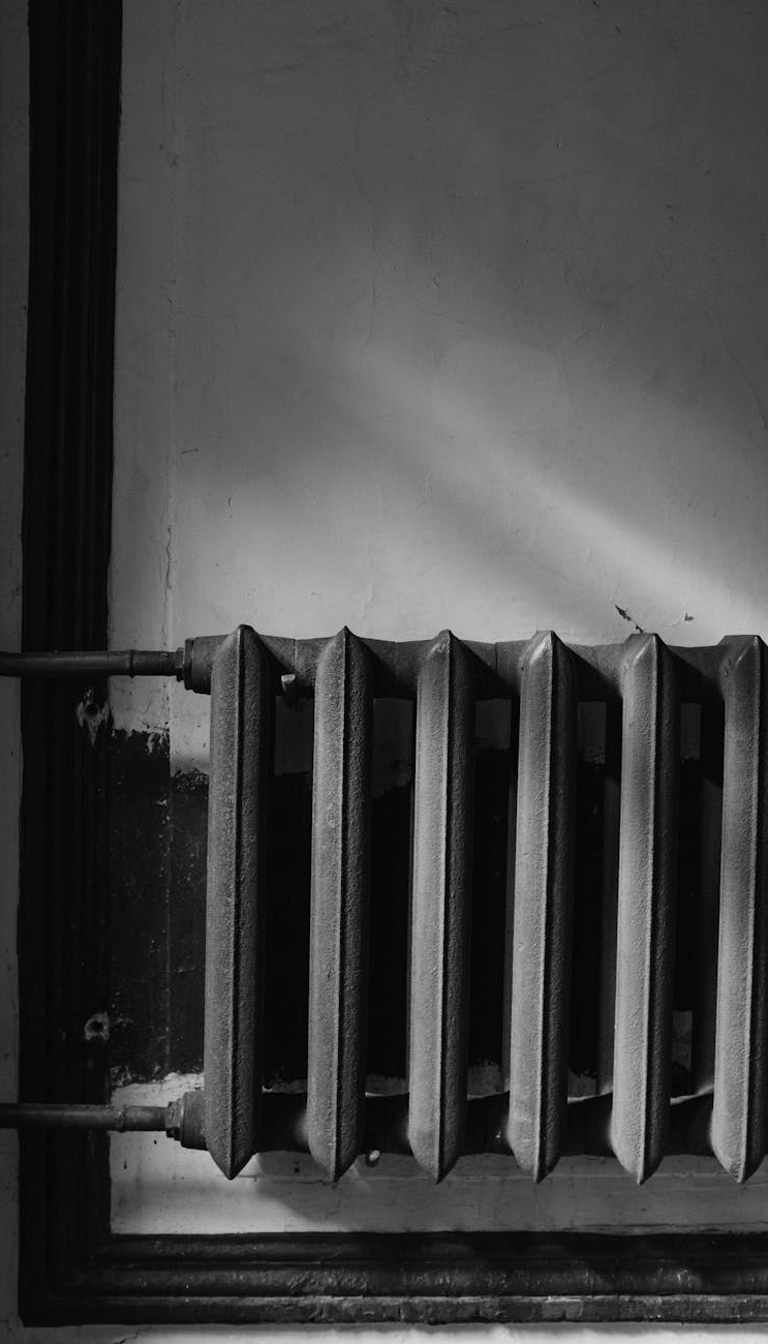
The radiator was the heartbeat of the building. Cast iron. Silver paint. It sat under the window like a church organ and it played one note all winter. The clank of the radiator was the sound of someone in the basement doing their job. The radiator did not have a thermostat. The radiator had a valve and the valve had two positions. On and off. That was the whole conversation.
The steam came up from the boiler through the pipes and the pipes banged and the banging traveled through every floor and every apartment heard the same song. The radiator connected the building. You did not need an intercom. You had steam. The first floor heard it first. The fifth floor heard it last. The delay was the building's pulse.
My grandmother put a pan of water on the radiator. The water evaporated and the room had humidity and the humidity kept the wallpaper from peeling. The radiator was a heater and a humidifier and a dryer. She draped wet socks on the radiator and by morning the socks were warm and dry and smelled like iron. The radiator was the most useful piece of furniture in the apartment.
In summer the radiator was a shelf. Books on the radiator. Plants on the radiator. The cat slept on the radiator because the cat remembered winter. The radiator in summer was a monument to a season that had passed. Nobody moved the radiator. The radiator stayed because the radiator was bolted to the pipe and the pipe went through the floor and the floor went to the basement and the basement held the boiler. The radiator was the building's skeleton showing through the skin.
They put in forced air now. Central heat. Quiet. Even. Invisible. The vent in the floor pushes warm air into the room and the air does not clank and the air does not hiss and the air does not remind you that someone is keeping you alive. The radiator was a relationship. The forced air is a service. I miss the clank. The clank meant somebody was down there.
See also: Coal Bin, Steam Pipe