 JOHN SINCLAIR
PUBLIC LIBRARY
You walked in and nobody asked you for money. Nobody asked you for identification. Nobody asked you why you were there. The public library was the only building in America that existed entirely on the assumption that you deserved to be inside it and the assumption was radical and the radical has become so ordinary that you have forgotten what it means. Every other public building has a condition. The school requires enrollment. The hospital requires illness. The courthouse requires a case. The library requires nothing. The library requires you to walk through the door and the walking through the door is the only membership and the membership is free and the free is the point and the point is the most American idea that America has ever produced and the producing was not easy.
Andrew Carnegie built one thousand six hundred and eighty nine public libraries between eighteen eighty three and nineteen twenty nine. Carnegie was a steel man from Dunfermline Scotland and the steel made him the richest man in America and the richest man in America decided that the best use of his money was rooms full of books that anyone could enter. Carnegie's deal was simple. He would pay for the building if the town would pay for the books and the staff and the maintenance. The deal meant the town had to tax itself to keep the library open and the taxing was the commitment and the commitment was the contract between the building and the community. The community said we will pay for this forever and the forever was the promise and the promise has been kept for over a century in towns that can barely keep their roads paved. The library outlasts the road because the library is the thing the town cannot imagine itself without and the road is the thing the town complains about.
Melvil Dewey invented the Dewey Decimal System in eighteen seventy six and the inventing was the organizing of all human knowledge into ten categories and the ten categories were the ambition that only a twenty five year old would attempt. The card catalog was the technology that made the library usable. You pulled open a drawer and the drawer had cards and the cards had authors and titles and call numbers and the call numbers were the coordinates and the coordinates led you to a shelf and the shelf had the book. The card catalog was a search engine made of wood and paper and the engine worked for a hundred and twenty years and the working for a hundred and twenty years is a record that no digital system has approached. The librarian was the person who understood the card catalog better than the card catalog understood itself. The librarian could find a book from a description that included the color of the cover and the approximate year and the fact that it had a dog in it and the finding from those three facts was the intelligence that no keyword search has ever matched.
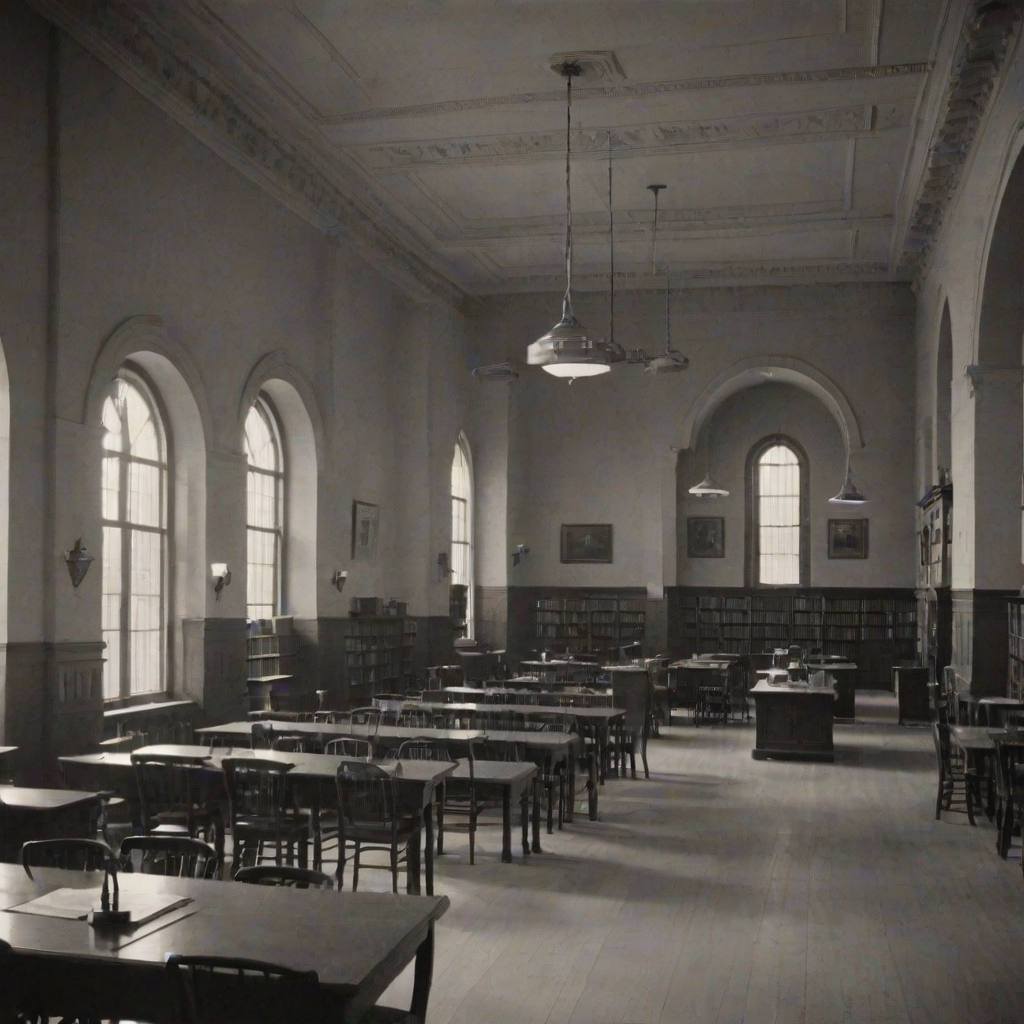
The reading room was the room where silence was the product. You sat at a long table with strangers and the table was oak and the oak was the permanence and the permanence said this table will be here after you are gone and the being here after you are gone was the library's relationship with time. The reading room had windows that were tall enough to let in light but not so tall that you could see the street and the not seeing the street was the design and the design said the street is out there but in here there is only the book. The reading room was the only heated room that some people had in winter and the only air conditioned room that some people had in summer and the library never said you must be reading to sit here. The library said sit here and the sitting was enough. The homeless man in the reading room was using the library exactly as Andrew Carnegie intended which was as a room where any person could sit in a chair and be warm and be surrounded by every book ever written and the being surrounded was the dignity and the dignity was free.
The public library is not vanishing. The public library is transforming and the transforming is both the survival and the loss. There are sixteen thousand five hundred public libraries in America and the sixteen thousand five hundred is more than the number of McDonald's restaurants and the more than McDonald's is the fact that should end every argument about whether America values books. But the library that had only books is now the library that has computers and meeting rooms and three D printers and social workers and English classes and the having of all those things means the library has become the community center that every other institution failed to be. The library became the safety net because every other safety net developed holes. The librarian became the social worker because the social workers were overwhelmed. The library became the internet cafe because the internet cafe never existed in the neighborhoods that needed it most. The public library is still there. The door is still open. Nobody still asks you for money. Nobody still asks you why you are there. The assumption is still radical. The assumption is still that you deserve to walk in and sit down and the sitting down is still free and the free is still the most American idea that America has ever had and the having is still worth the tax.