 JOHN SINCLAIR
PLAYBILL
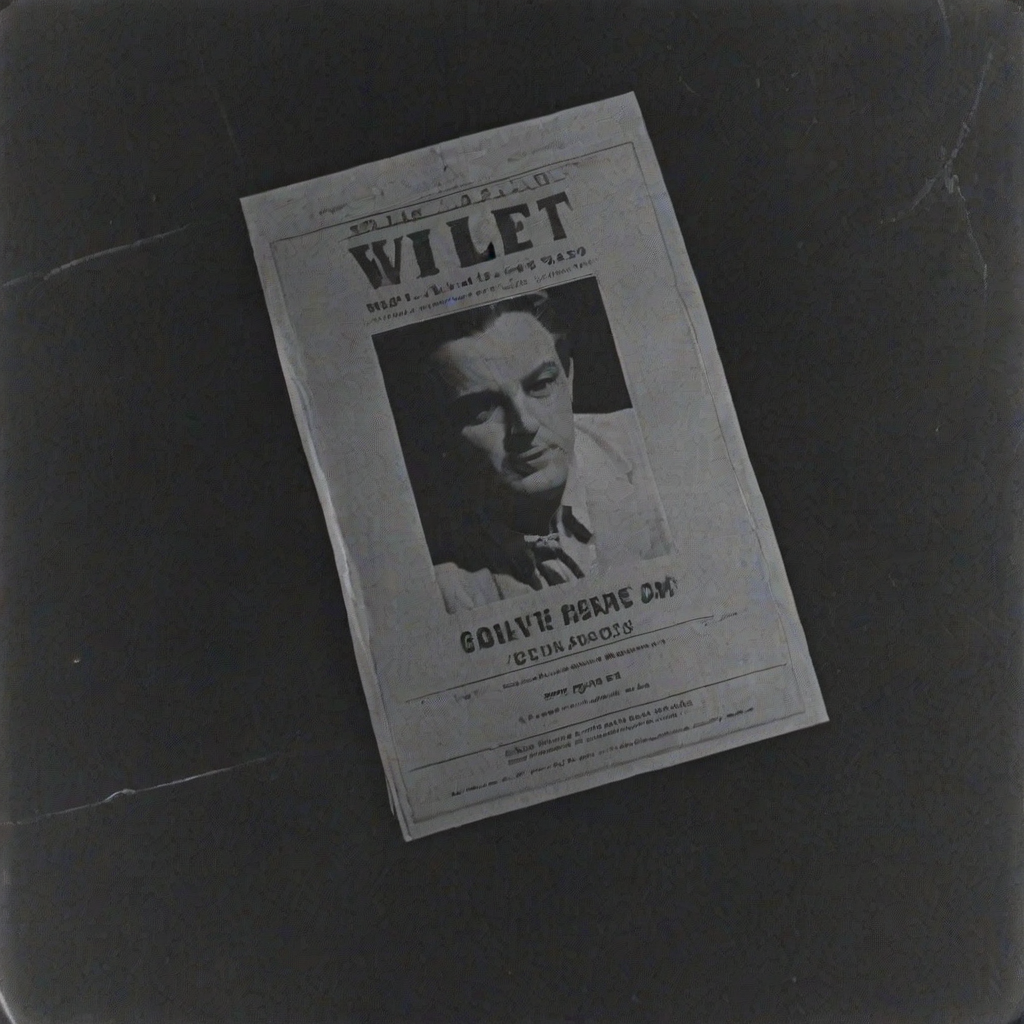
The playbill told you who was in the room before the lights went down. It was a contract between the audience and the stage. You paid for your seat and they gave you a piece of paper that said here is what we intend to do tonight and here are the people who intend to do it. The names were printed in order and the order was the hierarchy and the hierarchy was the art. The lead got the biggest name. The understudy got a line at the bottom. The crew got a page in the back that nobody read until the show was so good that you wanted to know who built the set and who ran the lights and who made the thunder sound real.
The Playbill magazine started in New York in eighteen eighty four as a simple program for theater audiences. Frank Vance Strauss turned it into a national publication in nineteen thirty four and by the nineteen fifties every Broadway theater handed one to every ticket holder at the door. Free. The theater paid for the printing and the advertising paid for the theater. The playbill was the last truly free publication in America. You did not subscribe. You did not pay. You walked into a building where people were about to pretend to be other people and someone handed you a document that explained the pretending. The playbill was the user manual for the imagination.
The cast list is the most democratic page in any publication. It does not rank by fame. It ranks by appearance. The star and the spear carrier are on the same page in the same typeface and the only difference is the size of their role not the size of their name. August Wilson insisted that every cast member in his plays be listed with equal weight because Wilson understood that Fences does not work if the audience thinks Troy Maxson is more real than Bono. The cast list says these people exist equally inside this story for the next two hours. Outside the theater they have different agents and different salaries and different lives. Inside the theater they are all servants of the same text.
The understudies were listed at the bottom and the bottom was where the future lived. Shirley MacLaine was an understudy in The Pajama Game in nineteen fifty four and went on one night when Carol Haney hurt her ankle and Hal Wallis was in the audience and signed MacLaine to a movie contract before the curtain call. The understudy section of the playbill was the most dangerous page in the theater. Any name on that page could become the name on the marquee if the universe decided that tonight was the night. The playbill printed the possibilities. The evening chose among them.
You kept the playbill because the playbill kept the night. You can hold a playbill from A Raisin in the Sun in nineteen fifty nine and read Sidney Poitier's name and Ruby Dee's name and Lorraine Hansberry's name in the credits and the paper is sixty seven years old and the ink has faded but the names have not. The names are still doing the work they were printed to do. Telling you who was in the room. Telling you what they tried. The playbill is not a review. The playbill does not tell you if the show was good. The playbill tells you the show happened. Sometimes that is the only record. The set was struck. The costumes were returned. The actors went home. The playbill stayed in a drawer and waited for you to remember.