 JOHN SINCLAIR
PILING
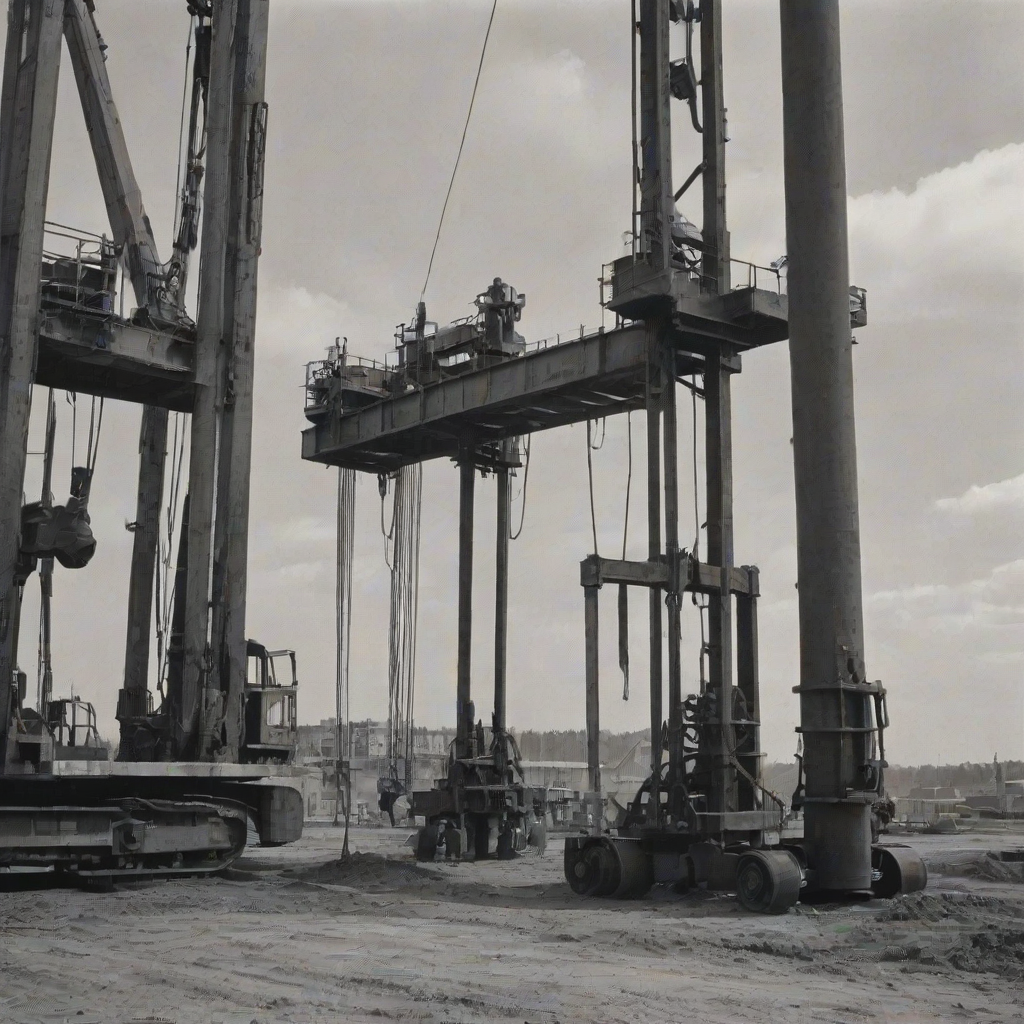
You hear the piling being driven and the hearing is the hammer striking the top of a steel beam that goes into the earth and does not come back. The pile driver lifts the hammer. The hammer falls. The steel sinks an inch. The driver lifts the hammer again. The hammer falls again. The steel sinks another inch. This goes on for hours. This goes on for days. The piling goes down ten feet or fifty feet or a hundred feet until the piling hits something that will not move and the something that will not move is bedrock or hardpan or refusal and the refusal is the engineer's word for the moment the earth says no more.
Venice stands on ten million wooden pilings driven into the lagoon mud in the fifth century. The pilings are alder and oak and the alder and oak were cut from the forests of Slovenia and floated down the rivers to the lagoon. The pilings were driven into the mud by hand by teams of men who lifted a weight on a rope and dropped it onto the top of the log and the dropping the weight onto the log drove the log into the mud. Ten million pilings. Each piling ten to fifteen feet long. The pilings do not rot because the mud of the Venetian lagoon has no oxygen and the having no oxygen means the bacteria that cause rot cannot survive. The pilings have been underwater for fifteen hundred years and the being underwater for fifteen hundred years means the wood has mineralized. The wood has become stone. Venice stands on a forest that turned to stone beneath the water.
The Empire State Building stands on two hundred and ten steel pilings driven to bedrock fifty five feet below the street. The pilings are steel H-beams and the H-beams were driven by steam-powered pile drivers that struck the beam with a force of thirty thousand pounds per blow. The bedrock beneath midtown Manhattan is Manhattan schist and the Manhattan schist is four hundred and fifty million years old. The pilings reach the schist and the reaching the schist means the weight of the building passes through the pilings to the rock and the passing to the rock means the building does not settle. The Empire State Building weighs three hundred and sixty five thousand tons and the three hundred and sixty five thousand tons sits on two hundred and ten pilings that transfer the weight to rock that has been there since before the dinosaurs.
The pile driver is one of the oldest machines in construction. The Romans drove pilings for bridges using a machine called a fistuca which was a weight lifted by ropes and pulleys and dropped onto the pile. The medieval pile driver added a winch. The steam pile driver was invented in eighteen forty five by James Nasmyth who also invented the steam hammer and the inventing the steam hammer meant Nasmyth understood the power of a falling weight driven by steam. The diesel pile driver replaced the steam driver in the nineteen twenties. The hydraulic driver replaced the diesel in the nineteen sixties. The vibratory driver shakes the pile into the ground instead of hammering it and the shaking instead of hammering is quieter and faster but only works in soft ground. In hard ground you still need the hammer. In hard ground the only way down is force.
You stand at the construction site and the pile driver works. The hammer rises. The hammer falls. The sound is the deep percussive thud that you feel in your chest before you hear in your ears. The piling sinks. An inch. Another inch. The men watch the marks on the pile to track the penetration and the tracking the penetration is the measurement and the measurement tells the engineer when the piling has reached the bearing stratum. The piling. The tooth in the earth. The ten million logs beneath Venice. The two hundred and ten H-beams under the Empire State. The Roman fistuca. The steam hammer. The sound you feel. The building starts here. Not at the first floor. Not at the foundation. The building starts at the piling. The building starts at the moment the steel meets the earth and the earth begins to hold.