 JOHN SINCLAIR
PIER
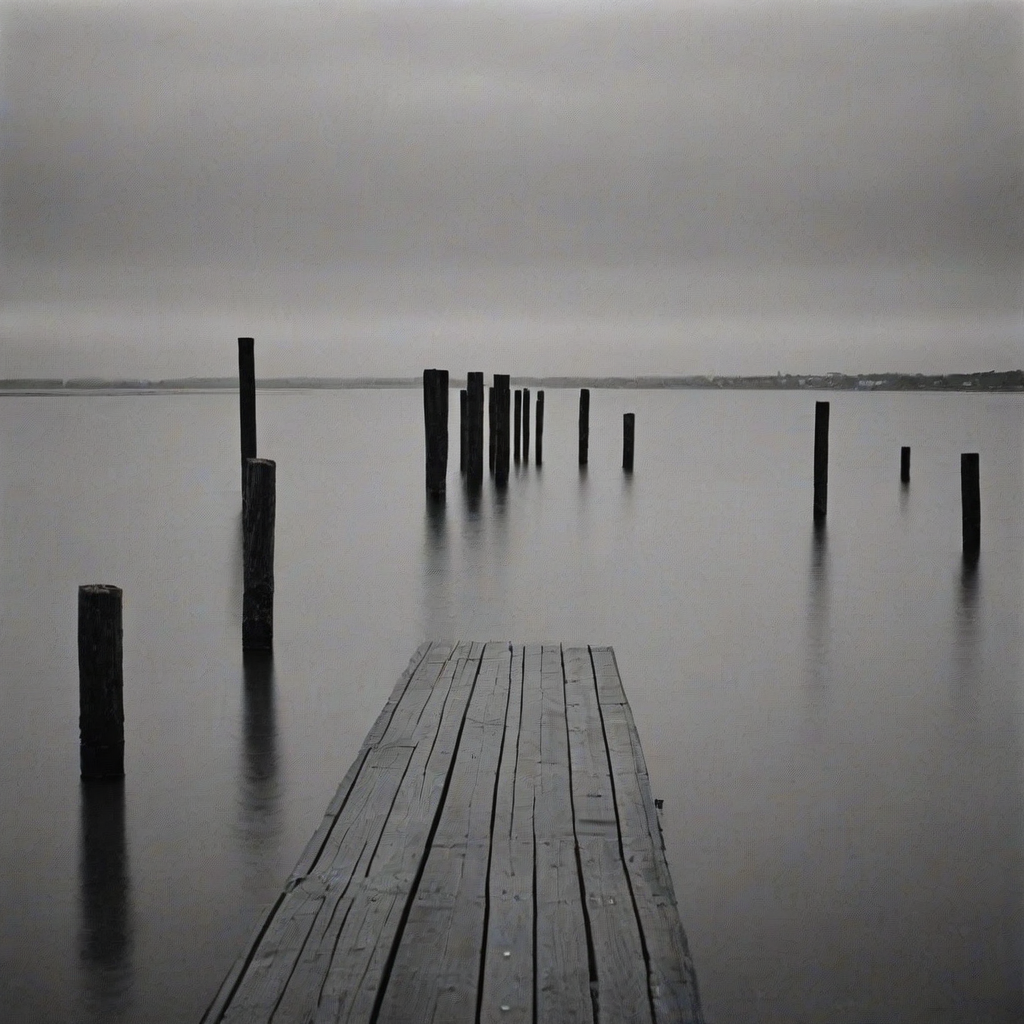
You walk to the end of the pier and the city is behind you and the water is ahead and the ahead is the freedom. The pier is the finger the city points at the horizon and the horizon does not answer. The pier is made of wood or concrete or steel and the material does not matter because the function is the same. The pier takes you as far as the city can take you and then the pier stops and the stopping is the edge and the edge is where you stand and look at the water and the water is the thing the city cannot build on. The pier is the last solid ground before the liquid begins and the beginning of the liquid is the end of the city's authority.
The Chelsea Piers in Manhattan were built between nineteen hundred and nineteen ten and they were the front door of America. Every immigrant ship and every luxury liner docked at the Chelsea Piers and the docking was the arrival and the arrival was everything. The Titanic was supposed to dock at Pier 59 on April fifteenth nineteen twelve and the not docking changed the waterfront forever because the Carpathia brought the survivors to Pier 54 instead and the pier became a place of grief instead of welcome. The Chelsea Piers held the city's relationship to the ocean. When the ships stopped coming the piers rotted and the rotting was the city turning its back on the water and the turning took fifty years to reverse.
In Muscle Shoals Alabama the Tennessee River has piers where the fishermen have been sitting since before anyone recorded a song there. The sitting and the waiting and the water moving past and the catfish somewhere below and the patience of the whole thing was the rhythm that Rick Hall heard when he built FAME Studios on Avalon Avenue. The Muscle Shoals sound came from the river. Aretha Franklin recorded at FAME and the river was in the music. Percy Sledge recorded at FAME and the river was in the music. The pier on the Tennessee River is where the South sat down and listened to itself and the listening became the sound and the sound became the records and the records changed everything.
The fishing pier is the most democratic structure on the waterfront. You do not need a boat. You do not need a license in most places. You need a line and a hook and the pier gives you the rest. The pier gives you depth and the depth is where the fish are. The old man on the pier at Coney Island has been there every morning since nineteen seventy something and the something does not matter because the pier does not keep time. The pier keeps fish. The pier keeps people who need to be near the water and the near is the medicine and the medicine is free and the free is why the pier is always full on a Saturday morning.
You stand at the end of the pier at night and the city lights are behind you and the water is black and the black is the oldest color because the ocean was black before the city had lights. The pier at night is the loneliest place in the city and the most peaceful because the pier at night gives you the sound of the water and the sound of the water is the sound of before. Before the city. Before the streets. Before the buildings and the traffic and the noise. The pier remembers what was here before the city was here and the before was water and the water is still here and the still being here is the pier's secret. The city is temporary. The water is not.