 DAVID PEEL
PAY PHONE
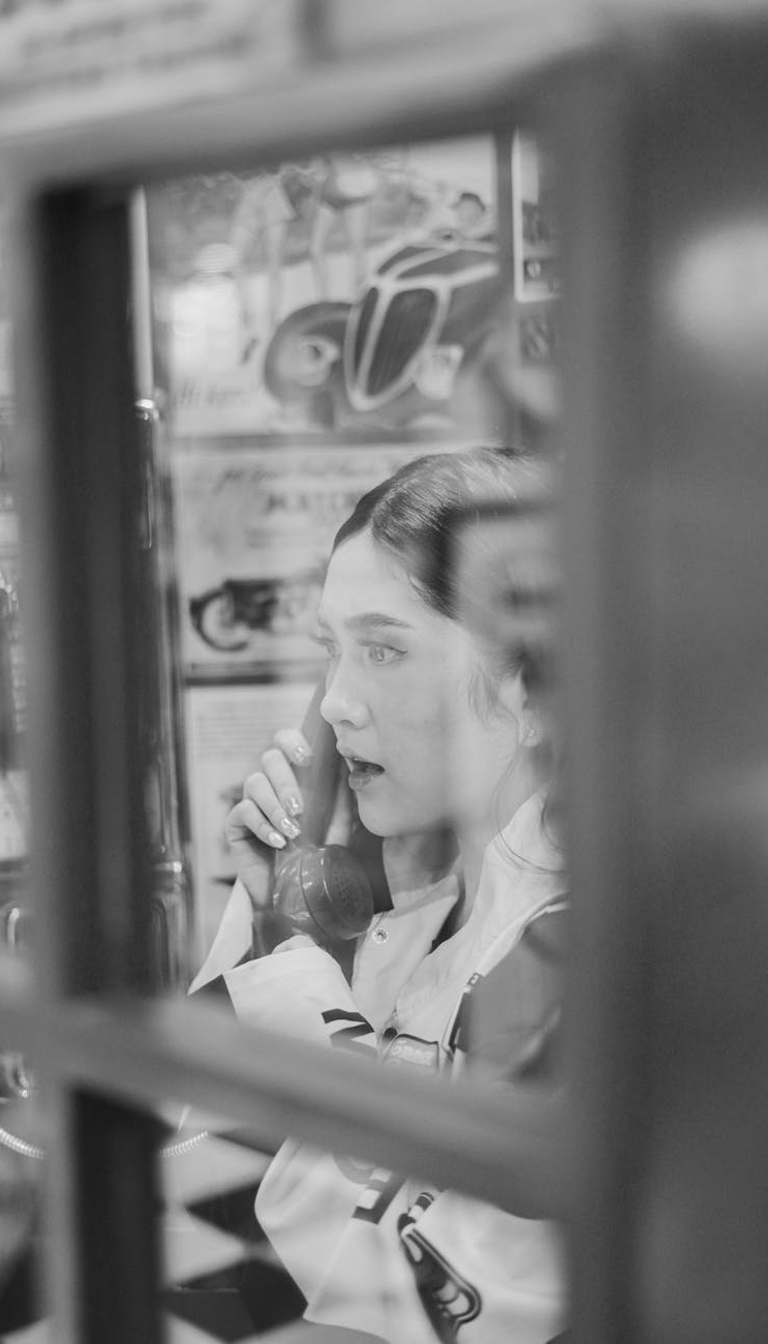
You put a dime in the slot and you dialed seven numbers and the world changed. The pay phone was the most important piece of furniture on the street. It stood on the corner like a sentry. A metal box with a receiver and a cord and a slot for your coin and it connected you to any person in the city for ten cents. Later a quarter. The inflation of conversation.
The pay phone booth was an office. You closed the folding door and the street disappeared and you were in a glass room having a private conversation in the most public place in the world. Drug dealers used them. Lovers used them. Kids calling home used them. The president of the United States could have called the mayor from a pay phone on Delancey Street and nobody would have known. The pay phone did not keep records. It did not track your location. It did not sell your data. It took your quarter and it gave you three minutes and then it asked for another quarter. The most honest transaction in America.
Every pay phone had a phone number. You could call a pay phone. People did. You would be walking past a ringing pay phone on the corner of Houston and Avenue B and you would pick it up and somebody would say is Carlos there. Carlos is not here. But Carlos was here ten minutes ago and he told somebody to call this number and now you are part of Carlos's life and Carlos is part of yours and neither of you planned it. The pay phone was a random connection machine.
I used the pay phone at Washington Square Park every day for ten years. I called my mother. I called the club to see if we had a gig. I called the guy who owed me twenty dollars. I called the landlord to tell him the heat was broken. Every call cost a quarter and every quarter was a decision. Is this call worth a quarter. Some calls were worth a hundred dollars but you only had a quarter and you said what you needed to say in three minutes because three minutes was all you got.
They took the pay phones out. Four thousand pay phones removed from New York City streets in the last ten years. They replaced them with Wi-Fi kiosks that play advertisements and track your phone and collect your data and give you free internet that is not free because nothing is free. The pay phone asked for a quarter. The Wi-Fi kiosk asks for your soul. The pay phone is gone and the quarter is in your pocket and you have no one to call because everyone is already in your phone and nobody picks up.