 JOHN SINCLAIR
PARAPET
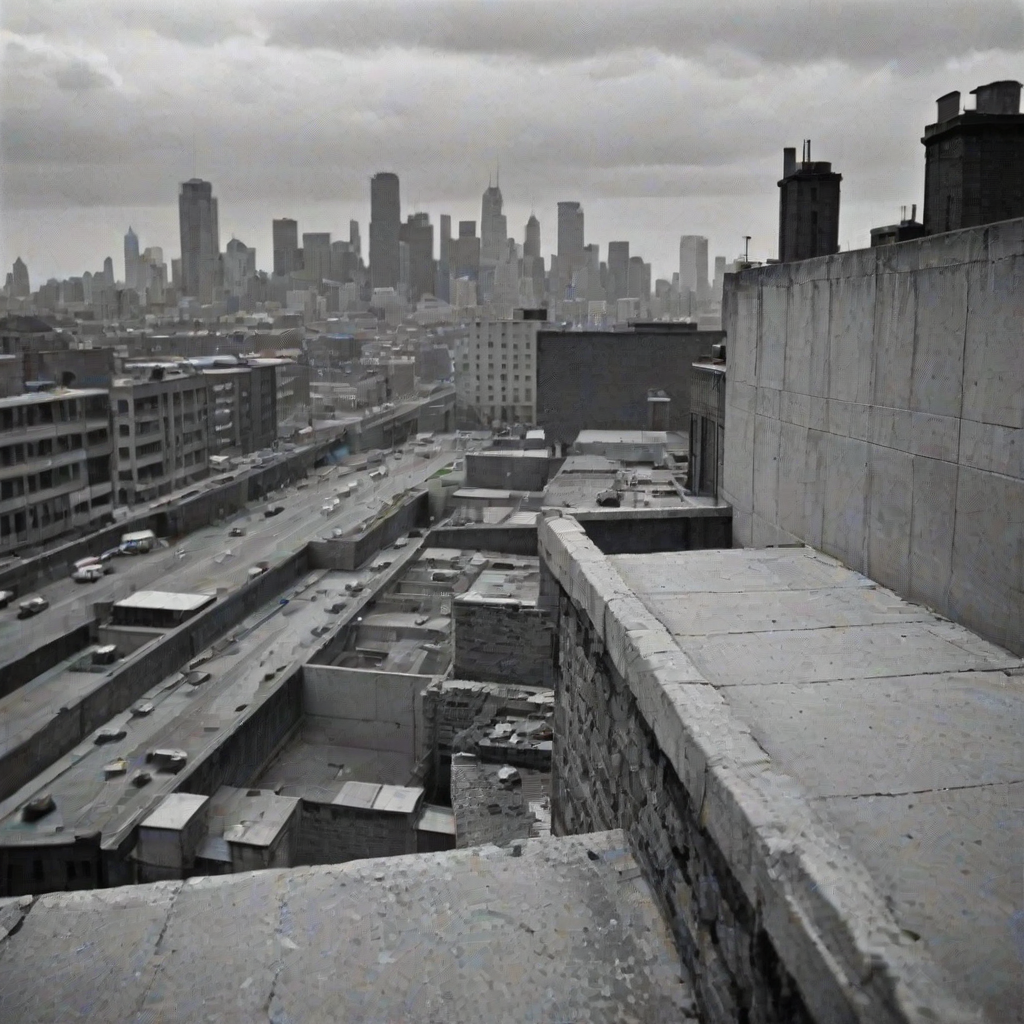
You lean against the parapet and the parapet is the wall at the edge of the roof. The parapet rises above the roofline and the rising above means the parapet hides the roof from the street. The parapet is the railing of the building. The parapet keeps you from falling off the top and the keeping you from falling is the function that every other function serves. The parapet can be decorative. The parapet can be defensive. The parapet can be merely practical. But the parapet always stands between you and the drop.
The parapets of the Western Front in nineteen fourteen were sandbag and timber and the sandbag and timber were the difference between a sniper's bullet and another morning. The trench parapet faced the enemy and the trench parados faced the rear and the parapet was higher because the bullets came from the front. The British standard was four and a half feet of sandbag above the fire step and the four and a half feet meant a man standing on the fire step could peer over the top without exposing his chest. Millions of sandbags were filled and stacked and the filling and stacking was the constant labor of the front. The sandbags rotted. The rain dissolved them. The shells blew them apart. The parapet was rebuilt every night. The parapet was destroyed every day. Four years of building a wall that was torn down and rebuilt and torn down and rebuilt and the building and tearing down was the war in its simplest form. The parapet was not a fortification. The parapet was a negotiation with death. Stay below the parapet and live. Rise above it and die. The soldiers knew the height of the parapet the way a sailor knows the height of the gunwale. It was the line that mattered.
The parapet of the Brooklyn Bridge walkway stands four feet tall and the four feet has kept pedestrians from the East River since eighteen eighty three. The bridge walkway is a hundred and eighteen feet above the water and the hundred and eighteen feet means a fall from the walkway is fatal. The original parapet was wrought iron railing and the wrought iron was designed by Washington Roebling who designed it from his sickbed because the caisson disease had crippled him during construction. The parapet on a bridge serves the same purpose as the parapet on a building. The parapet says this is the edge. The parapet says stop here. The Brooklyn Bridge carries a hundred and twenty thousand vehicles a day beneath the walkway and four thousand pedestrians above and the four thousand pedestrians trust the parapet every time they lean against it to photograph the Manhattan skyline. The parapet is the frame of the photograph. The parapet is the railing the tourist grips while staring at the city.
The parapets of medieval castles had crenellations and the crenellations were the alternating high and low sections that let the archer shoot through the gap and hide behind the merlon. The merlon is the high part. The crenel is the low part. The archer stepped to the crenel and drew and released and stepped back behind the merlon and the stepping back behind the merlon was the cover. The crenellated parapet at the Tower of London has been rebuilt and restored over nine centuries and the nine centuries means every generation of defenders looked through the same gaps at a different enemy. Edward I added crenellations to the outer wall in the twelve seventies. Henry III had added them to the inner wall before that. The crenellated parapet is the symbol of the castle the way the pediment is the symbol of the temple. Draw a rectangle with notches along the top and you have drawn a castle. The notches are the crenels. The parapet tells you what the building is prepared to do.
You stand at the edge. The parapet is there between you and the air. The parapet. The wall at the edge. The sandbags on the Western Front. The wrought iron on the Brooklyn Bridge. The crenellations at the Tower of London. The line between safe and not safe. The wall that says this far. The building rises. The roof ends. The parapet begins where the roof stops. You lean against it. The parapet holds. The edge stays the edge and you stay on the right side of it.