 JOHN SINCLAIR
MATINEE
The matinee was the afternoon show and the afternoon show was the cheap show and the cheap show was where America learned to love the movies. The evening was for dates and occasions and dressing up. The matinee was for everyone else. Kids with a quarter on Saturday. Old people who did not want to walk home in the dark. Mothers who had two hours between dropping off the laundry and picking up the children. The matinee audience was the realest audience because the matinee audience was not performing. The evening audience dressed for each other. The matinee audience dressed for the weather.
The word comes from the French. Matin. Morning. The matinee was originally a morning performance but it drifted to the afternoon because mornings belonged to work and the afternoon was the crack in the schedule where you could disappear for two hours without anyone asking where you went. The theaters figured this out in the eighteen seventies when they started offering reduced prices for afternoon shows that would otherwise play to empty seats. The genius was not the discount. The genius was the discovery that an empty seat at two o'clock is worth more filled at half price than empty at full price. The matinee invented yield management a hundred years before the airlines gave it a name.
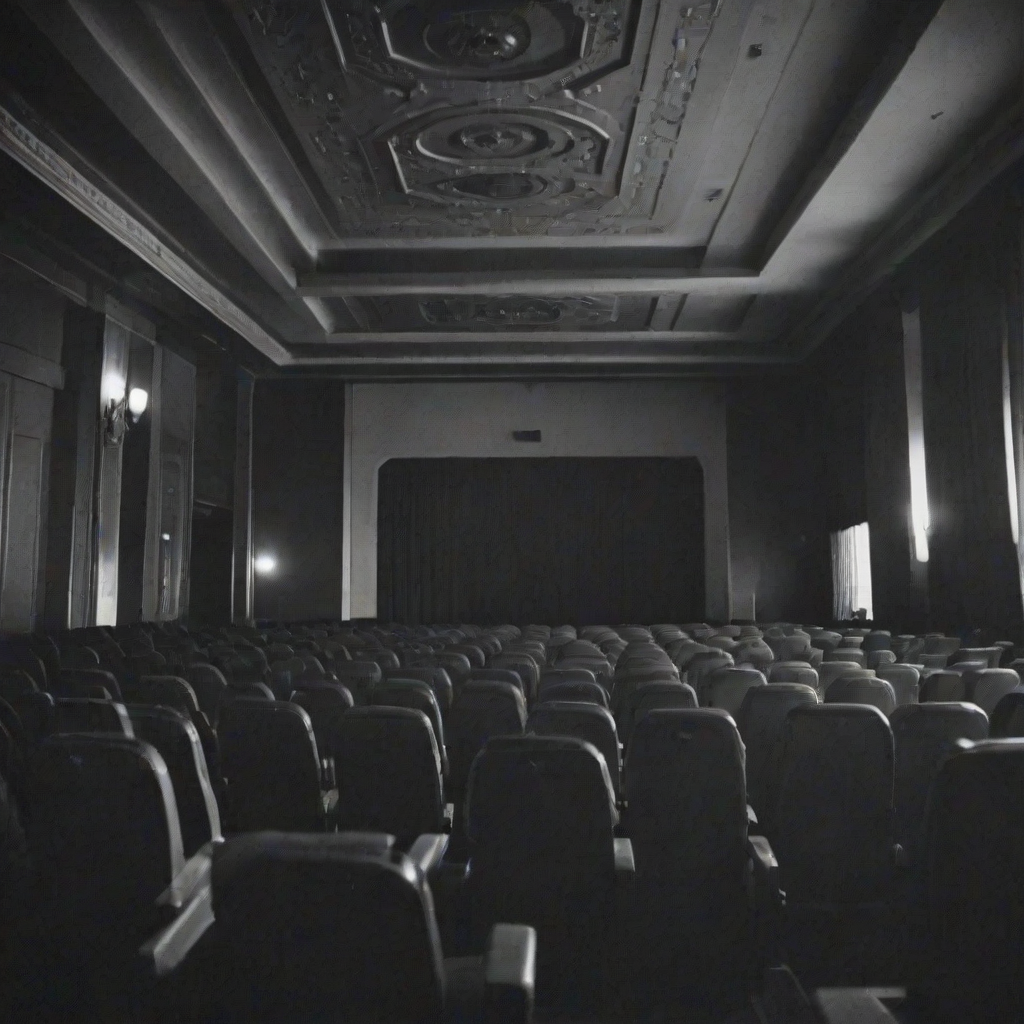
The Saturday matinee at the movies was where a generation learned what the world looked like. You paid your twelve cents in nineteen forty and you got a newsreel and a cartoon and a serial and a feature and sometimes a second feature and you sat in the dark for three hours and the dark was democratic. The rich kid and the poor kid saw the same screen from the same darkness. The Loew's Paradise in the Bronx had a ceiling painted like the sky with stars that twinkled and clouds that drifted and you sat there at age nine and the ceiling was as real as the movie and neither one was real and both of them were true. That theater held four thousand people and on a Saturday afternoon every seat was full and four thousand people breathed the same air and laughed at the same jokes and screamed at the same monsters and for three hours there was no outside.
The matinee price was the most important number in American culture for fifty years. It was the threshold. Below the matinee price you were in. Above it you were out. When the matinee price crossed a dollar in the early nineteen seventies parents started dropping their kids off instead of going in with them and the theater became the first place a child was alone in public with strangers in the dark. That was trust. That was a civilization saying we believe this room is safe enough to leave our children in it for two hours with a bag of popcorn and no supervision. The matinee was daycare before daycare. The matinee was the village.
The matinee is still the cheapest show but the cheap show is not cheap anymore. The matinee price at a first run theater is twelve dollars in most cities and twelve dollars is not a crack in anyone's schedule. It is a decision. The Saturday matinee that cost twelve cents in nineteen forty costs a hundred times more and the newsreel is gone and the cartoon is gone and the serial is gone and the second feature is gone and what remains is one movie and a bucket of popcorn that costs more than the ticket. The room is still dark. The screen is still bright. But the door costs more to open and every dollar added to the price is a person who stays home and watches the screen in their pocket instead. The matinee was never about the movie. The matinee was about the room. The room full of strangers who chose the same afternoon to sit in the same dark. You cannot stream that. You cannot download a room.