 JOHN SINCLAIR
MAILBOX
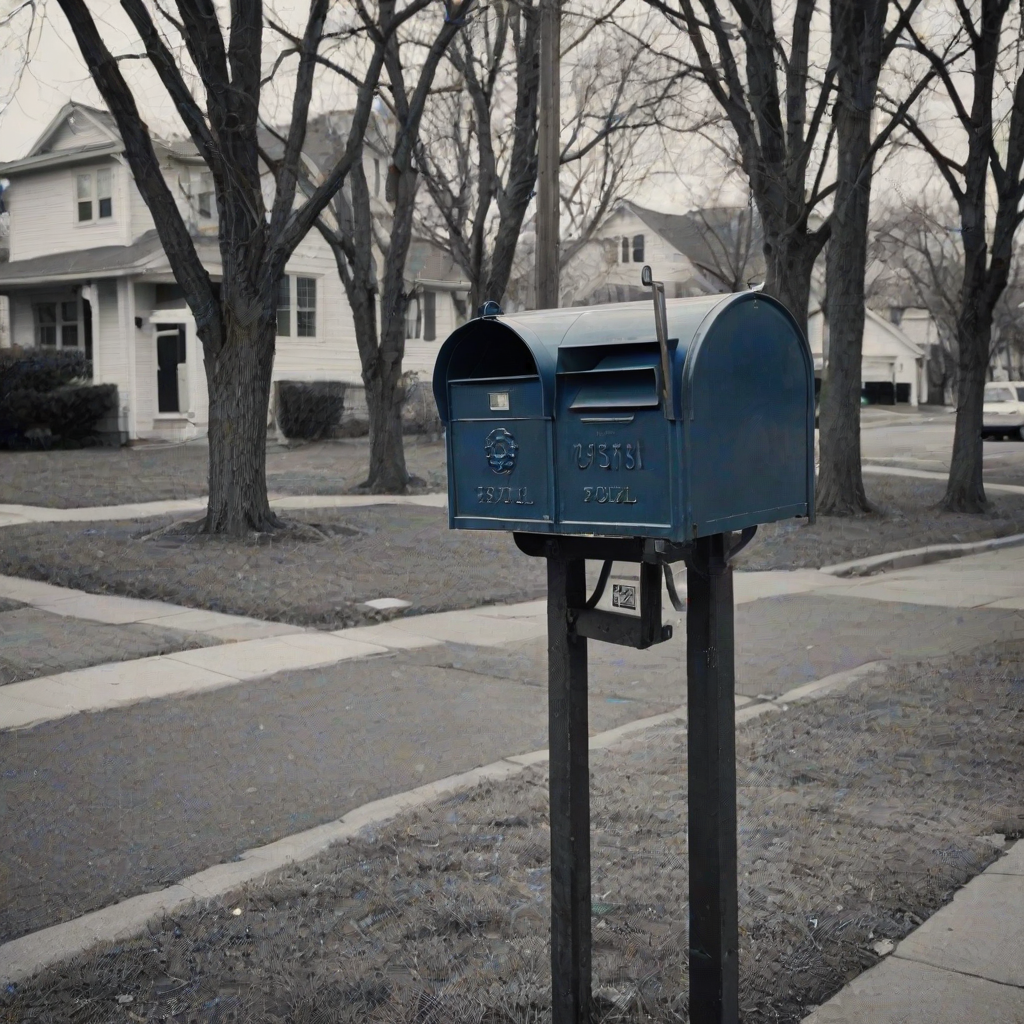
You open the mailbox and reach inside and whatever is in there has traveled. The envelope has been in a truck and a sorting facility and another truck and a bag and a hand and the hand put it in your box and the box held it until you came. The mailbox does not read what it holds. The mailbox does not sort by importance. The love letter and the electric bill and the jury summons and the postcard from someone who misses you all sit together in the dark waiting for your hand. The mailbox is the most democratic institution in the country because the mailbox does not care who you are. The mailbox only cares that you have an address.
Martin Luther King wrote Letter from Birmingham Jail in April of nineteen sixty three on the margins of a newspaper because the jail did not give him paper. He wrote in the margins and on toilet paper and on scraps and his lawyers smuggled the pages out in their pockets and the pages were typed and copied and the letter traveled from a jail cell to every mailbox in America. The letter was eleven pages and the letter said injustice anywhere is a threat to justice everywhere and the mailbox carried that sentence across the country one house at a time. The post office did not know what it was delivering. The post office just delivered. That is what the mailbox does. The mailbox does not editorialize. The mailbox just holds what someone sent until someone else comes to get it.
Emily Dickinson wrote eighteen hundred poems and published fewer than a dozen in her lifetime. She sent the rest in letters to friends and the friends kept the letters and the letters sat in drawers and boxes and the poems survived because the mailbox delivered them and the recipients did not throw them away. Dickinson's mailbox was her entire publishing operation. No editor. No printer. No bookstore. Just an envelope and a stamp and a friend on the other end who understood that the poem inside was worth keeping. After she died her sister found eight hundred more poems sewn into booklets in a dresser drawer. The poems that were mailed survived in other people's houses. The poems that stayed home almost did not survive at all. The mailbox saved more of Dickinson's work than Dickinson did.
The blue mailbox on the corner is a piece of federal architecture that nobody thinks about. It is a steel box with a handle and a slot and the slot is wide enough for a letter but not wide enough for a hand and that is by design. The mailbox protects what you put in it. The mailbox is a vault that the government empties every day and the government does not open what is inside. Tampering with a mailbox is a federal crime. Stealing mail is a federal crime. The mailbox has more legal protection than most people. The founding fathers put the post office in the Constitution because the founding fathers understood that a country that cannot send letters to itself is not a country. It is a collection of strangers.
You check the mailbox and it is empty and the emptiness means something. Nobody wrote. Nobody sent. Nobody thought of you today in a way that required a stamp. The empty mailbox is the loneliest object on the street because the empty mailbox is a question that nobody answered. But you will check again tomorrow because the mailbox teaches you something that the inbox on your phone does not. The mailbox teaches you to wait. The mailbox teaches you that the important things take time and the time is part of the message. A letter that took three days to arrive carries three days of anticipation inside it and the anticipation is part of the letter. The email arrives instantly and the instantly is part of why it means less.