 JOHN SINCLAIR
LOADING DOCK
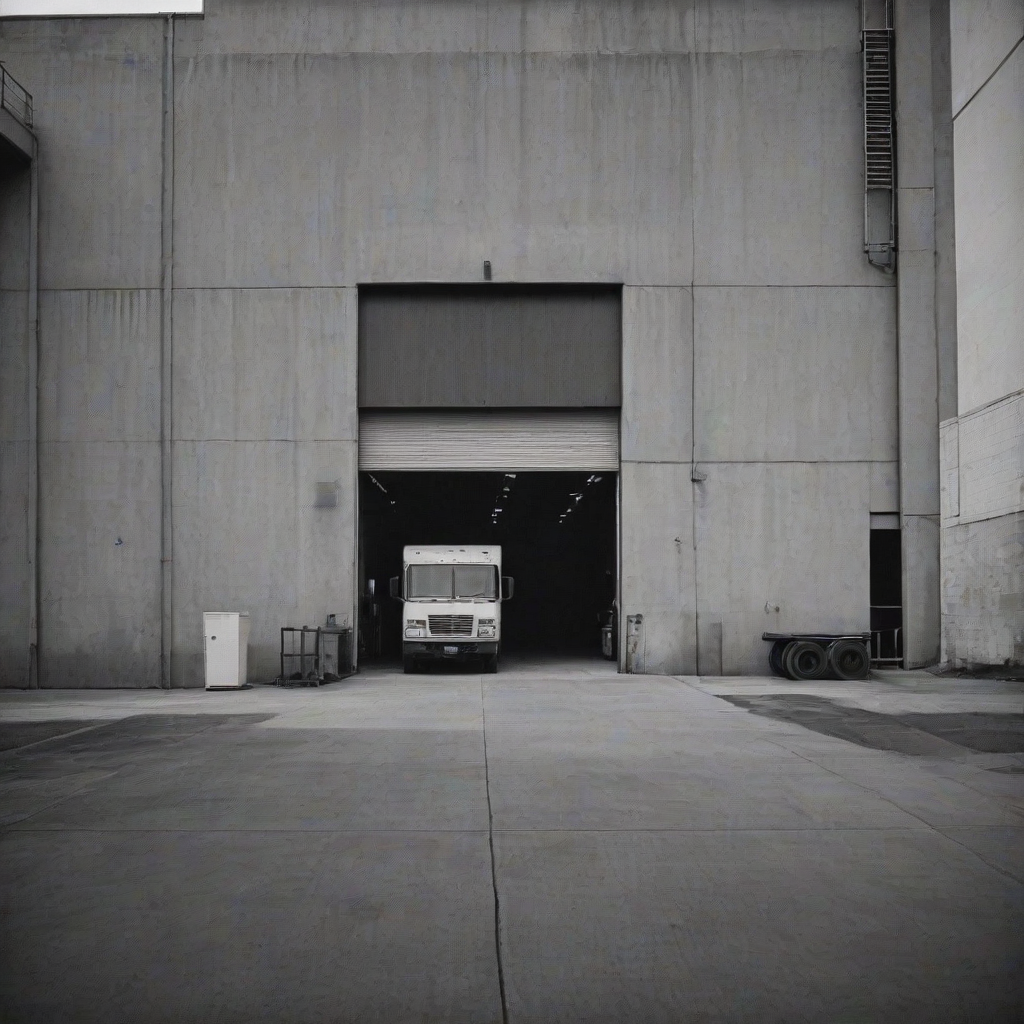
You stand at the loading dock and you are standing at the mouth of the city. Everything the city eats and wears and reads and burns comes through a loading dock. The loading dock is the back door and the back door is where the truth enters because the front door is for customers and the back door is for the work. The loading dock has no decoration. The loading dock has no sign that says welcome. The loading dock has a steel roll-up door and a concrete platform and a ramp and the ramp is the tongue and the truck is the food and the city swallows everything that comes up the ramp and the city is always hungry.
The Fulton Fish Market operated from a loading dock at the South Street Seaport in Manhattan for one hundred and eighty years and the dock smelled like the ocean at four in the morning because the ocean arrived every night on trucks from Montauk and Gloucester and New Bedford. The men worked under lights that made everything yellow and the fish were silver and the ice was white and the money was cash and the cash was counted fast because the fish did not wait. The fish market was the oldest loading dock in New York and the loading dock was where the city's food chain began. The restaurant that charges you forty dollars for a piece of salmon started at a loading dock where a man in rubber boots threw a box and another man caught it and the catching was the beginning of dinner.
In Detroit the loading docks of the Rouge River Plant stretched for a mile along the river and the docks received iron ore and limestone and coal and the docks sent out automobiles. Henry Ford built the Rouge so that raw materials went in one end and finished cars came out the other and the loading docks were both ends. The dock that received the ore and the dock that shipped the car were the same building and the building was a mile long and the mile was the distance between a rock and a Mustang. The loading dock at the Rouge was the most American place in America because the loading dock turned nothing into something and the turning was the job and the job was everything.
The loading dock is where musicians unload their gear and the unloading is the first act of the performance. You pull up behind the club in a van and the van doors open and the amplifiers come out and the drums come out and the cables come out and you carry everything up the ramp and through the back door and onto the stage and the stage is where the audience sees you but the loading dock is where the work begins. Every concert you have ever attended started at a loading dock. Every record you have ever loved was loaded onto a truck at a loading dock. The loading dock is the invisible beginning of every visible thing.
You walk past the loading dock and you see the steel door closing and the truck pulling away and the dock is empty for a moment and the empty dock is the only time the building is honest about what it is. The building with the empty dock is a building that is not receiving and not sending and the not receiving and not sending means the building is resting and the resting does not last because the city does not rest. Another truck will come. Another ramp will lower. Another box will slide across the concrete and the sliding is the sound of the city feeding itself and the feeding never stops because the hunger never stops and the loading dock is the only part of the building that knows this.