 JOHN SINCLAIR
LINTEL
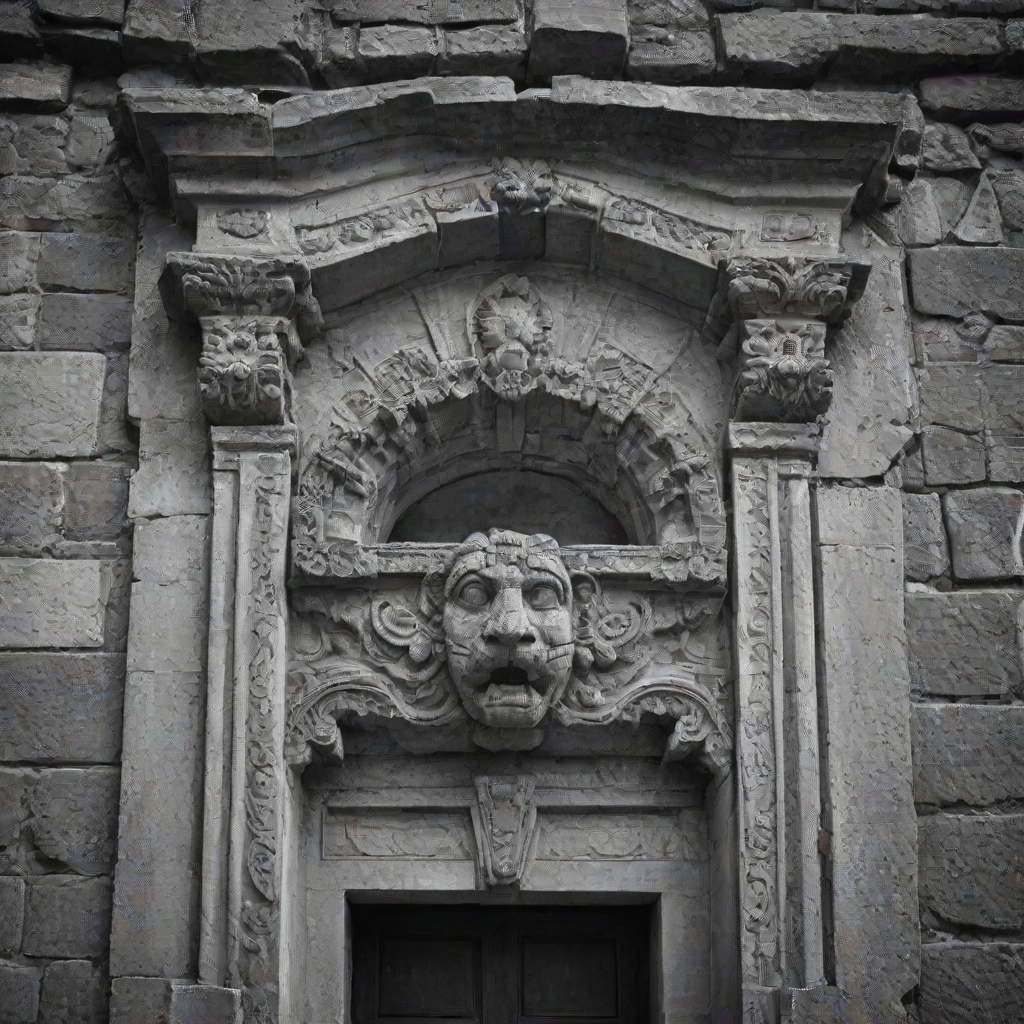
You look up at the lintel and the lintel is the beam that holds the wall above the opening. You want a door. You cut a hole in the wall. The wall above the hole wants to fall into the hole because the wall above the hole has no support and the having no support means gravity pulls the wall down. The lintel solves this. The lintel spans the opening. The lintel transfers the weight of the wall above to the walls on either side. The lintel is the bridge inside the building. Every door has a lintel. Every window has a lintel. Every opening in every wall in every building ever built has a lintel or the wall has fallen.
The lintels at Stonehenge have been holding up the sky for five thousand years. The stones of the sarsen circle stand thirteen feet tall and the lintels sit on top of the standing stones and the sitting on top means the lintels connect the uprights into a continuous ring. The lintels at Stonehenge are seven feet long and three feet wide and weigh seven tons each and the weighing seven tons means the builders of Stonehenge lifted seven tons of stone thirteen feet into the air without pulleys or cranes or metal tools. The lintels are shaped with mortise and tenon joints and the mortise and tenon means the lintel has a bump on the bottom that fits into a hole on the top of the upright. Mortise and tenon is a woodworking joint. The builders of Stonehenge used a woodworking joint in stone because they understood wood before they understood stone. The lintels have held for five thousand years. The joints have not slipped. The carpentry works in stone.
The steel lintel over the door of a Chicago brownstone holds forty tons of brick above a four foot opening. The lintel is an angle iron or a channel or a wide flange beam and the angle iron sits in the mortar joint and the sitting in the mortar joint means you cannot see the lintel from the street. The lintel is hidden. The lintel does its work invisibly. The Great Chicago Fire of eighteen seventy one destroyed seventeen thousand buildings and the destroying seventeen thousand buildings meant the city was rebuilt in brick and stone and the rebuilding in brick and stone meant every new building needed lintels over every door and window. The lintels in Chicago are steel because Chicago is the city of steel. The lintels in Boston are granite because Boston is the city of granite. The lintels in New York are brownstone because New York is the city of brownstone. The material changes. The lintel remains.
The lintel at the Lion Gate of Mycenae weighs twenty tons and the twenty tons was lifted by men who had no crane. The Lion Gate was built in twelve fifty BC and the building in twelve fifty BC means the lintel has held for thirty two hundred years. The lintel is a single stone eighteen feet long and eight feet wide and the single stone spanning eighteen feet is the engineering and the engineering is the placing of twenty tons of rock across a gap by men who had nothing but ropes and ramps and muscle. Above the lintel is a carved relief of two lions flanking a column and the two lions flanking a column is the oldest monumental sculpture in Europe. The relief was placed above the lintel inside a relieving triangle and the relieving triangle diverts the weight of the wall around the lintel rather than through it. The builders of Mycenae understood that the lintel needed help. The relieving triangle was that help. The lintel and the triangle together hold the wall. Together they have held it for thirty two hundred years.
You stand beneath the lintel and the lintel is above you and you do not notice it because the lintel does not want to be noticed. The lintel wants to be a door. The lintel wants to be an opening. The lintel wants you to walk through without looking up. The lintel. The beam across the gap. The five thousand years at Stonehenge. The forty tons in Chicago. The twenty tons at Mycenae. The first engineering problem. The first solution. You want an opening. You need a beam. The lintel is the beam. The wall holds. The door opens. You walk through.