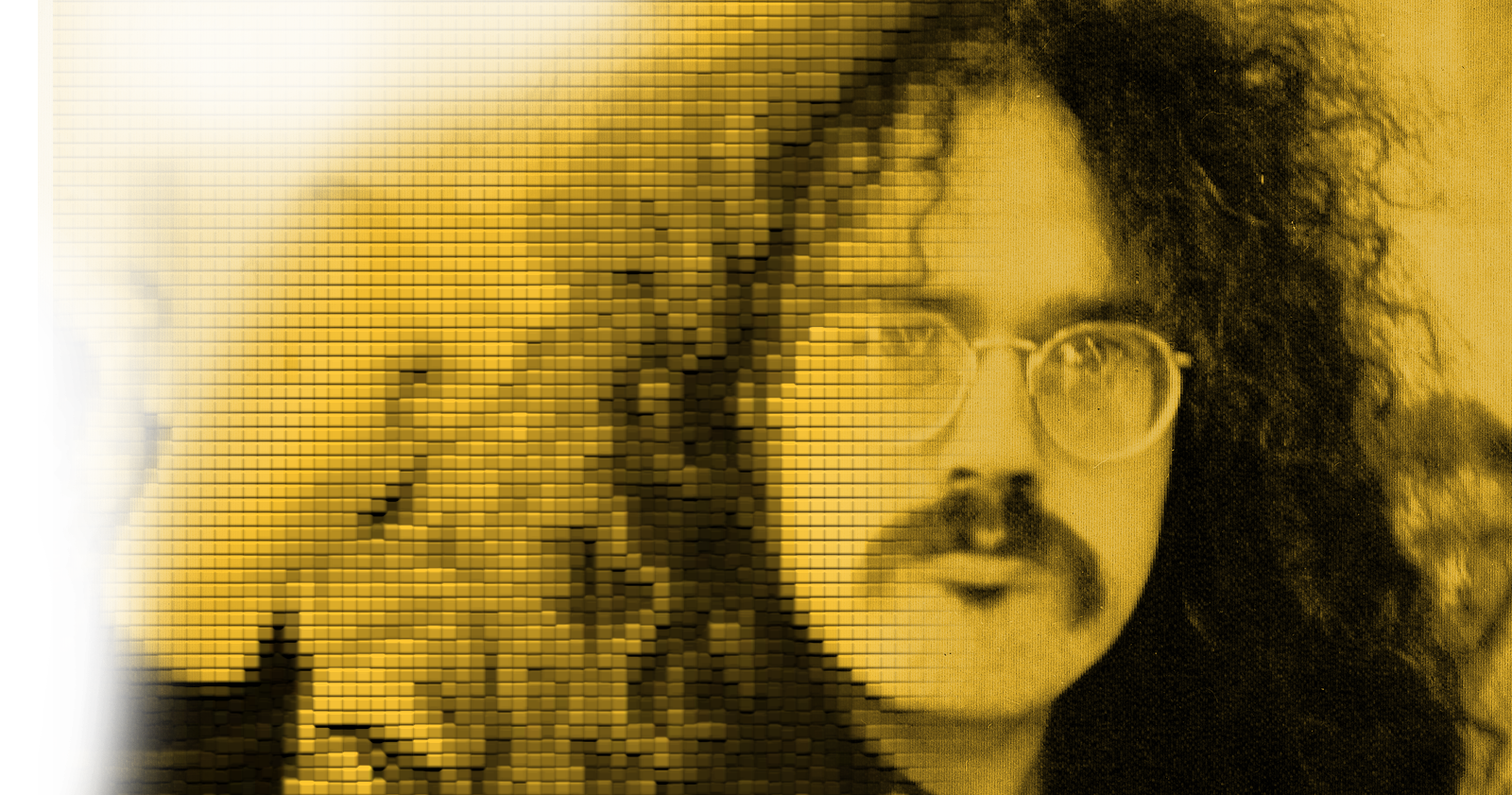
 JOHN SINCLAIR
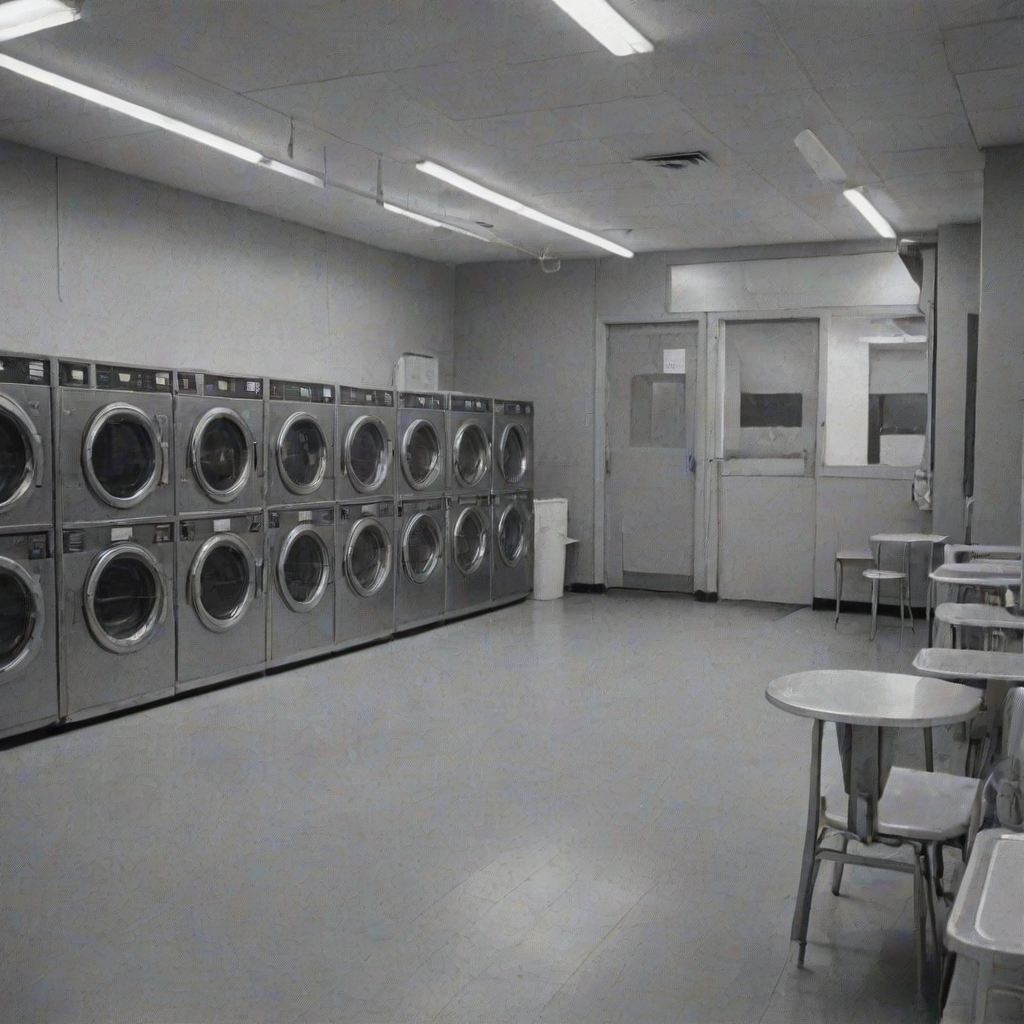
LAUNDROMAT
You sit in the laundromat and the machines spin and everybody waits. The lawyer waits and the janitor waits and the woman with three kids waits and the kid doing homework on top of a dryer waits. The laundromat does not have a VIP section. The laundromat does not have a fast lane. Your clothes take thirty two minutes to wash and forty five minutes to dry and it does not matter who you are or what you do or how much money you have in your pocket. The machine does not care. The machine cares about quarters.
Harvey Pekar wrote comic books about the laundromat in Cleveland because the laundromat is where real life happens while you are waiting for something else to finish. Pekar understood that the important conversations do not happen in offices or restaurants. The important conversations happen in the places where people have nothing to do but wait and talk. The laundromat gave him characters. The man who reads the same newspaper every week. The woman who folds her towels into perfect squares. The kid who puts too much soap in and watches the foam pour over the edge and onto the floor. Pekar drew these people because nobody else thought they were worth drawing and he was the only one who was right.
At two in the morning the laundromat on Atlantic Avenue in Brooklyn is full of people who work the night shift and the early shift and the in-between shift. Taxi drivers and nurses and dishwashers and the man who stocks the shelves at the bodega before it opens at six. They wash their uniforms at two in the morning because two in the morning is the only time they have. The fluorescent lights make everybody look tired and everybody is tired and nobody pretends otherwise. The laundromat at two in the morning is the most honest room in the city because nobody at two in the morning has the energy to perform.
In Harlem in the nineteen sixties the laundromat was where the news traveled. The women knew everything. They knew who got hired and who got fired and who was stepping out and who was stepping up. The wash cycle was thirty minutes and in thirty minutes you could learn more about your block than you could learn from a newspaper in a year. The laundromat was the original social network and the network ran on quarters and gossip and the gossip was more reliable than the news because the gossip came from people who were there when it happened.
You fold your clothes on the table and the table is warm from the dryer that just finished and the warmth feels like the only luxury the laundromat offers. The laundromat does not offer comfort. The laundromat offers function. You come in dirty and you leave clean and in between you sit on a plastic chair and you wait and the waiting is the thing. The waiting is where the life happens. The laundromat teaches you that most of living is waiting for something to finish so you can start the next thing. The spin cycle and the rinse cycle and the dry cycle and then you fold and you carry it home and next week you do it again. The laundromat is the most repetitive place in the city and the repetition is the lesson. You keep showing up. You keep putting in the quarters. You keep waiting. That is what everything important requires.