 DAVID PEEL
Lamp Black
Lamp black was the color of the city before electricity. The soot from the oil lamps coated everything. The walls. The ceilings. The lungs. Lamp black was the fingerprint of fire. Every flame left a mark and the mark was black and the black was permanent.
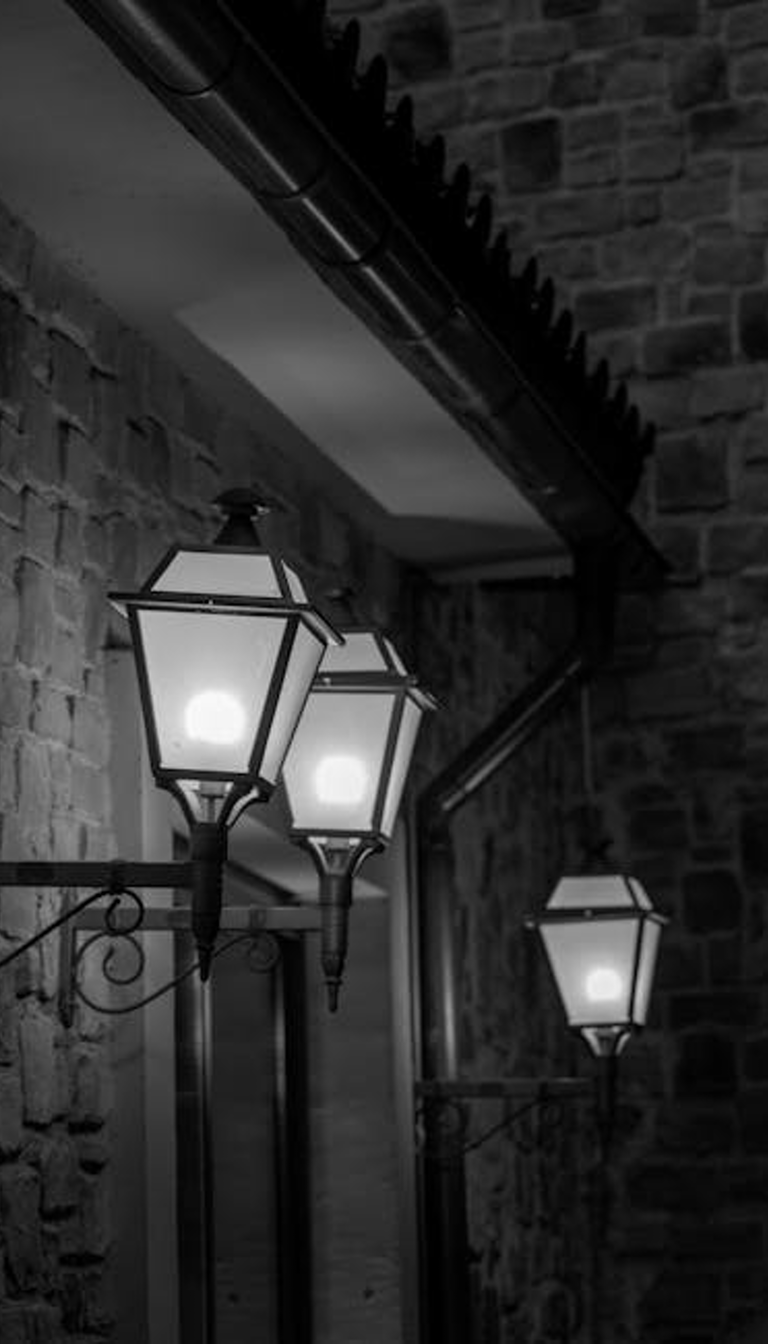
The lamplighter came at dusk. He walked the block with a long pole and the pole had a wick on the end and the wick lit the gas lamp and the gas lamp threw a circle of yellow light on the sidewalk. The lamplighter was the last man between you and the dark. He lit thirty lamps in twenty minutes and the block went from black to gold and the gold was not bright but it was enough. Enough is a word the city has forgotten.
The soot from the lamps settled on the buildings. Brownstones were not brown when they were built. Brownstones were red. The soot turned them brown. The name came from the stain. The city named its most famous architecture after the thing that ruined it. Lamp black was the makeup of the city. The city wore its pollution like a coat.
Artists used lamp black. The oldest pigment in the world. Cave painters used it. Rembrandt used it. A kid on Avenue B used it to draw on the sidewalk because the soot was free and the chalk cost a nickel. Lamp black was the paint of the person who could not afford paint. The cheapest color in the world and the most honest. Black does not lie about what made it.
The lamps are gone. The soot is gone. The buildings have been sandblasted clean. The brownstone is brown again but the brown is manufactured. The original brown was earned. Every shade of it was a year of burning. The clean building looks new. The sooty building looked lived in. I do not know which is better. I know which one tells the truth.
See also: Streetlight, Gas Lamp