 JOHN SINCLAIR
KILN
You feel the kiln before you open the door and the feeling before opening is the heat. The heat radiates through the walls. The heat is two thousand degrees Fahrenheit and the two thousand degrees is the temperature that turns clay into ceramic and calcium carbonate into quickite and raw earth into something that will last a thousand years. The kiln is an oven. The kiln is the oldest industrial oven. The kiln has been firing since before the wheel and the firing since before the wheel means humanity learned to transform material with heat before humanity learned to transport it with rotation. The kiln came first. The kiln is the beginning of manufacturing.
The Hoffmann kiln invented in eighteen fifty eight could fire bricks continuously and the continuously meant the kiln never stopped and the never stopping changed the brick industry forever. Friedrich Hoffmann designed a ring-shaped kiln with fourteen chambers and the fourteen chambers meant that while bricks were firing in one chamber they were drying in the next and cooling in the one after that and the firing and drying and cooling happening simultaneously was the continuous process and the continuous process meant the factory never had to wait. Before Hoffmann the kiln was a batch process. You loaded the bricks and lit the fire and waited and unloaded and started over. Hoffmann eliminated the waiting. The Hoffmann kiln could produce one hundred thousand bricks a week and the one hundred thousand bricks a week is what built the cities of the industrial age. London and Berlin and Chicago and every expanding city that needed bricks faster than the old kilns could make them.
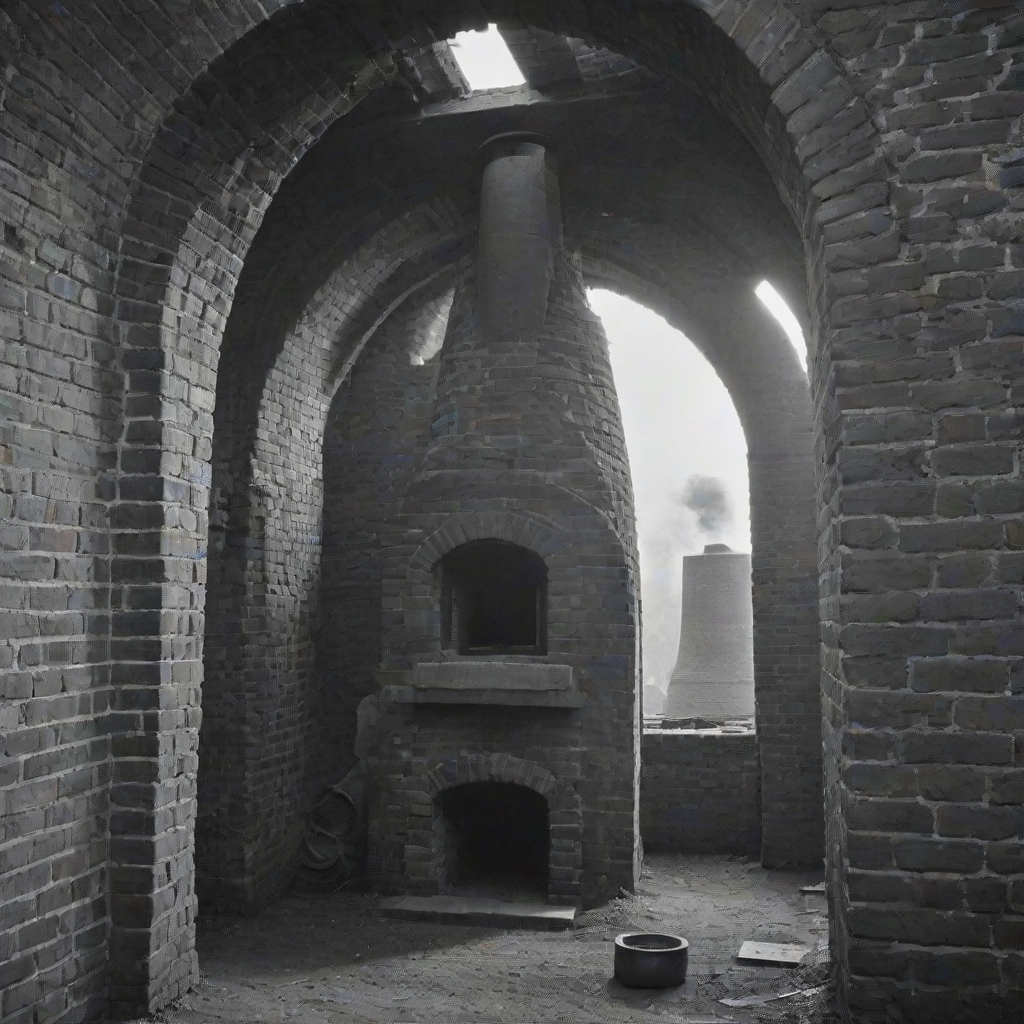
The bottle kilns of Stoke-on-Trent fired the pottery that the British Empire drank its tea from. The bottle kiln is shaped like a bottle and the shaped like a bottle is the chimney tapering above the firing chamber and the chimney tapering creates the draft and the draft pulls the heat through the kiln. Stoke-on-Trent had two thousand bottle kilns in nineteen hundred and the two thousand bottle kilns produced the Wedgwood and the Spode and the Royal Doulton and the producing the Wedgwood was the making of the cups and saucers and plates that filled the cabinets of every middle-class home in Britain. The potters loaded the kiln by hand. The saggar makers made the clay boxes that protected the pottery in the kiln and the protecting in the kiln was necessary because the direct flame would ruin the glaze. The Clean Air Act of nineteen fifty six killed the bottle kilns because the bottle kilns burned coal and the burning coal made smoke and the smoke made Stoke the most polluted city in England. Forty seven bottle kilns survive. The rest were demolished.
The lime kilns of the countryside turned limestone into quicklime and the turning limestone into quicklime was the chemistry that made mortar and plaster and whitewash. The lime kiln was simple. You stacked limestone and coal in alternating layers and lit the bottom and the fire burned upward and the burning upward drove the carbon dioxide out of the limestone and the driving out the carbon dioxide left calcium oxide and calcium oxide is quicklime and quicklime mixed with water is the mortar that holds the bricks together. Every stone building. Every plastered wall. Every whitewashed fence. The lime kiln made the mortar. The lime kiln was everywhere because the mortar was needed everywhere. The ruins of lime kilns stand in every county in England and every canton in Switzerland and every state in the American Northeast.
You stand at the kiln door and the door is iron and the iron is warm and the warm is the kiln remembering its last firing. The kiln cools slowly. The kiln holds heat the way the earth holds heat because the kiln is made of earth. Firebrick lines the interior and firebrick can withstand the temperatures that would destroy ordinary brick and the withstanding is the kiln within the kiln. The kiln fires the brick and the kiln is made of brick and the kiln made of brick that fires brick is the recursion. The kiln. The heat. The transformation. Soft to hard. Clay to ceramic. Limestone to quicklime. Temporary to permanent. The oldest oven. The first factory. The heat that makes the city possible. Two thousand degrees. The door is warm.