 JOHN SINCLAIR
KEYSTONE
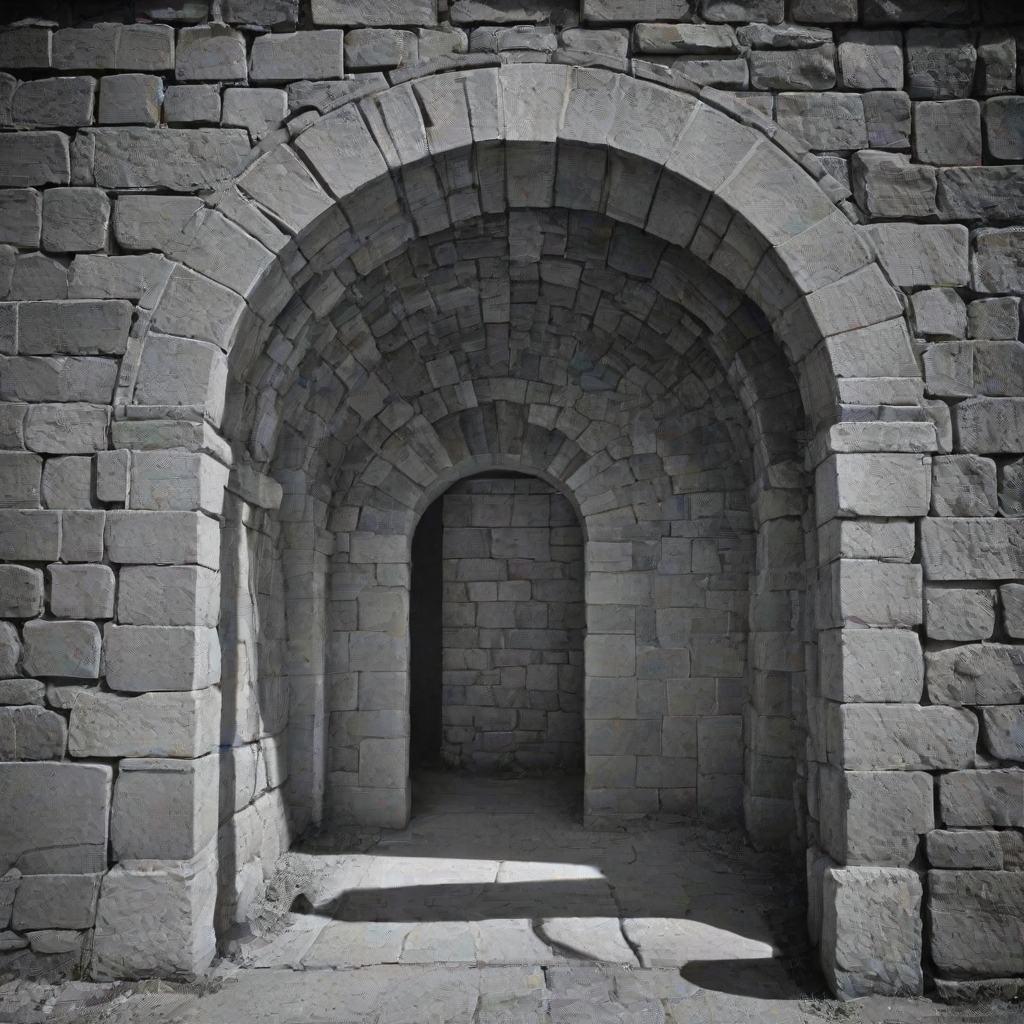
You find the keystone and the keystone is the last stone placed and the first stone that matters. The keystone is the wedge-shaped stone at the crown of an arch and the wedge shape means the keystone is wider at the top than at the bottom. The weight from above presses the keystone down. The keystone presses against the stones on either side. The stones on either side press against the stones below them. The pressing transfers the load down through the arch to the supports. Remove the keystone and the arch collapses. The keystone is smaller than every other stone in the arch. The keystone holds more weight than any of them.
The keystone of the Gateway Arch in St. Louis was placed on October twenty eighth nineteen sixty five and the placing took fourteen minutes while the two legs of the arch were held apart by hydraulic jacks. The Gateway Arch is six hundred and thirty feet tall and the six hundred and thirty feet makes it the tallest arch in the world. Eero Saarinen designed it as a catenary curve and the catenary curve means the arch follows the shape a chain makes when it hangs from two points. The two legs of the arch were built simultaneously from the ground up and the building simultaneously meant the two legs had to meet at the top with a tolerance of one sixty-fourth of an inch. The keystone section weighed eight tons. The sun heated the south leg and the heating meant the south leg expanded and the expanding meant the gap at the top shifted and the shifting meant the jacks had to push the legs apart while the fire department sprayed the south leg with water to cool it down. Fourteen minutes. Eight tons. Six hundred and thirty feet in the air. The keystone dropped into place and the arch became an arch. Before the keystone it was two leaning towers. After the keystone it was the gateway to the West.
The Romans built nine hundred bridges with keystones and the nine hundred bridges carried legions across every river in Europe. The Roman arch bridge at Pont du Gard in southern France stands one hundred and sixty feet tall and the one hundred and sixty feet is three tiers of arches stacked and the stacking means each tier has its own keystones. The Pont du Gard was built around nineteen BC to carry water to the city of Nîmes and the carrying water means the bridge is an aqueduct and the aqueduct carried forty four million gallons a day across the Gardon River. The keystones at Pont du Gard are limestone blocks weighing up to six tons each. The Romans cut the keystones without mortar. The arches are dry stone and the dry stone means the keystones are held in place by compression alone. No cement. No adhesive. Nothing but the weight of the stones pressing against each other. The keystones have held for two thousand years without mortar because the geometry does the work that mortar would do. The wedge shape is the mortar. The physics is the glue.
Pennsylvania calls itself the Keystone State because it held the colonies together the way the keystone holds the arch together. Pennsylvania was the middle colony. Six colonies to the north and six to the south and Pennsylvania in the center. The Declaration of Independence was signed in Philadelphia. The Constitution was written in Philadelphia. The first capital was Philadelphia. Pennsylvania was the keystone of the political arch that became the United States. The metaphor is older than the nation. The keystone is the stone without which the arch falls. Pennsylvania was the colony without which the union falls. The nickname appears on the state quarter and the state website and the license plate and the appearance on the license plate means every car in Pennsylvania carries the engineering metaphor wherever it drives. The keystone. The last placed. The most important. The wedge that locks the curve.
You stand beneath the arch and you look up. The keystone is there at the top. The keystone is always at the top. The keystone. The wedge. The lock. The fourteen minutes at the Gateway Arch. The two thousand years at Pont du Gard. The twelve colonies held together by Pennsylvania. The last stone placed. The first stone that matters. The arch pushes outward. The keystone pushes the force down. The stones hold each other. The arch stands. Remove the keystone and the arch is rubble. Leave the keystone and the arch is a door.